
Flowers
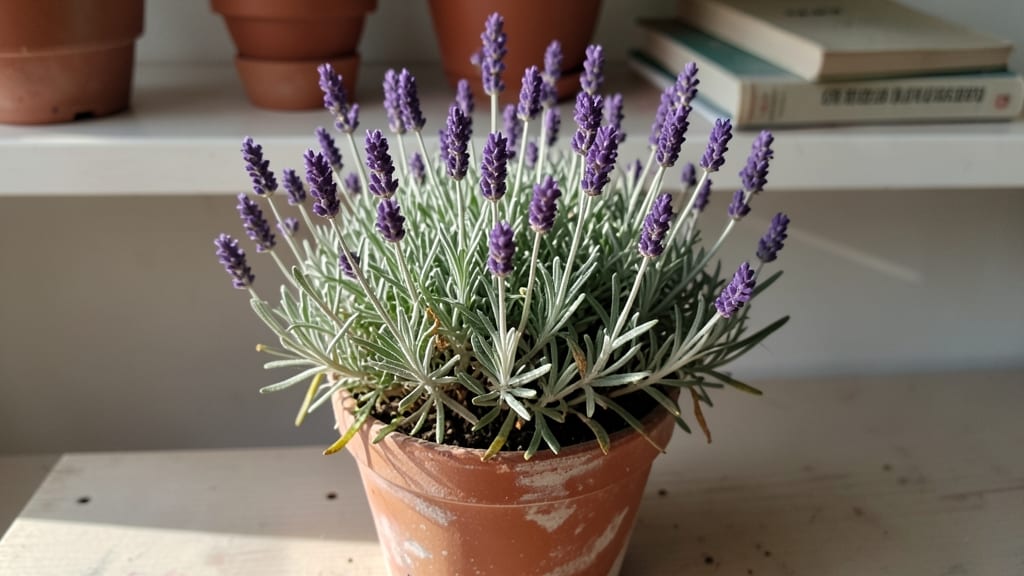
Grave flowers in pots bring quiet beauty to memorial spaces all year long—softening stone with color when fresh blooms feel impossible. 🌿 I’ve learned that the right container, soil, and plant choices turn even the smallest pots into lasting tributes that outlast seasonal cuttings.
The key? Choosing plants that thrive in partial shade, need minimal water, and carry meaning without demanding constant care.
Start with 10-12 inch pots for durability and drainage, filled with a mix of potting soil and perlite to keep roots healthy. Carnations, snapdragons, and ornamental grasses are my go-tos—they bloom reliably, survive light frosts, and symbolize remembrance without fading fast.
A slow-release fertilizer tossed into the soil at planting keeps them vibrant for months, not weeks.
By autumn, you’ll have pots that stay lush through crisp air, their petals catching the light like stained glass. The contrast of deep burgundy pansies against gray stone or the delicate spikes of statice adds texture that feels intentional, not forced.
Plus, swapping out pots seasonally keeps the display fresh without extra work.
This approach works for both private family plots and public memorials—just adjust plant height for visibility. The only rule? Choose plants that match the season’s light and your climate zone. Let’s make those gravesites bloom with purpose, not just color.
📚 In This Guide
- What you need
- Instructions
- Tips and common mistakes
- Wrapping up and next steps
What you need
- ● Flowering plants: Choose dramatic, long-blooming varieties like black calla lilies, dark red dahlias, or deep purple statice (1-3 plants per pot, depending on size).
- ● Containers: Terracotta, ceramic, or fiber pots with drainage holes (12"-18" diameter for bold impact).
- ● Potting mix: High-quality, well-draining blend (2-3 bags, ~1 cubic foot each).
- ● Slow-release fertilizer: Granular or spikes (1 per pot).
- ● Mulch: Dark bark chips or gravel (1-2 bags for texture).
- ● Garden trowel (for planting).
- ● Pruning shears (to shape and trim).
- ● Watering can or hose (with gentle spray).
- ○ Optional: Decorative stones, moss, or paint (for customization).
- ○ Optional: LED grow lights (if indoors with low light).
- ● A sunny or partially shaded spot (6+ hours of light for most grave flowers).
- ● Access to water (consistent moisture, but not soggy soil!).
- ● Patience for seasonal blooms—some varieties thrive in cooler months! ❄️🌸
How to create a year-round grave flower display in pots
Here's how to transform small spaces into striking, seasonal color using classic cemetery favorites.
🌱 Step 1: Select Containers and Drainage
Choose pots with drainage holes—terracotta or ceramic work beautifully for this look. I use a mix of 6-inch pots for single blooms and 12-inch containers for layered arrangements. Place a saucer underneath each pot to catch excess water and keep surfaces clean.
For a cohesive cemetery aesthetic, stick to earthy tones like black, gray, or dark brown. Glazed pots add subtle color without overwhelming the flowers. The key is keeping containers sturdy—they'll hold heavy blooms like roses and lilies.
☀️ Step 2: Choose Seasonal Flower Varieties
Select flowers traditionally found in cemeteries that thrive in containers: roses, lilies, chrysanthemums, and marigolds work year-round. For spring, add tulips and hyacinths; summer thrives with geraniums and petunias; fall brings mums and aster; winter features amaryllis and paperwhites.
I plant one focal flower per pot with complementary foliage. For example, a black baccara rose paired with silver dusty miller creates a dramatic, timeless look. Mix heights—tall lilies in back, medium roses in middle, and low marigolds in front.
💧 Step 3: Prepare Soil and Plant
Fill pots with a mix of 50% potting soil and 50% perlite for excellent drainage. This prevents root rot, which is critical for heavy blooming plants. Add a slow-release fertilizer to the bottom layer to feed roots gradually.
Plant in late winter for spring blooms or early summer for fall/winter displays. Dig holes twice as wide as the root ball but only as deep. Gently remove plants from nursery pots, loosen roots, and place in holes. Fill gaps with soil, pressing lightly to eliminate air pockets.
✂️ Step 4: Maintain with Seasonal Care
Water when the top inch of soil feels dry—overwatering is the biggest killer of potted grave flowers. In summer, I water daily in the morning; winter requires less frequent watering. Deadhead spent blooms immediately to encourage continuous flowering.
Fertilize monthly during growing season with a balanced 10-10-10 formula. In fall, switch to a low-nitrogen winterizer to harden plants for colder months. Group pots together to create a cohesive cemetery-style display while protecting from harsh winds.
🪴 Step 5: Rotate Seasonally for Year-Round Interest
Every 3 months, replace 25% of plants with seasonal varieties. For example, swap spring tulips for summer geraniums, then transition to fall mums. This keeps your display vibrant without overwhelming maintenance.
I also refresh mulch annually with dark bark chips to maintain the cemetery aesthetic. The mulch conserves moisture, suppresses weeds, and gives pots a finished, intentional look. With this rotation system, you'll have dramatic color that changes with each season.
Tips & tricks for perfect grave flower displays in pots
A few simple strategies will help you create a stunning, long-lasting cemetery-inspired display that stays vibrant all year.
Container Stability: Heavy blooms like roses and lilies need sturdy pots. For your 12-inch containers, add a layer of 2-3 pounds of gravel at the bottom before adding soil. This extra weight prevents tipping when pots are grouped together. I've learned this the hard way—after seeing multiple displays topple during windy days! For extra security, place pots on a tray or shallow pan to catch any soil that might spill during watering.
Seasonal Plant Pairing: When selecting your focal flowers, think about color harmony. For example, pair black baccara roses with silver dusty miller for a dramatic contrast, or combine deep red chrysanthemums with chartreuse marigolds for a striking effect. The key is to choose one dominant flower per pot and let it shine. I always arrange my pots with tallest varieties in back and shortest in front to create visual depth—this mimics the layered look of traditional cemetery plots.
Soil Preparation: The 50/50 mix of potting soil and perlite is perfect, but don't skip adding the slow-release fertilizer to the bottom layer. This provides steady nutrition without the risk of burning plants. For extra insurance against root rot, especially in summer, add a handful of orchid bark to your soil mix. This improves aeration while maintaining moisture—critical for heavy blooming plants in containers.
Watering Strategy: The "top inch dry" rule works, but here's the real trick: water deeply until you see moisture flow from the drainage holes. This ensures the entire root ball gets hydrated. In summer, I water my pots in the morning and again in the evening to prevent wilting. For winter care, reduce watering to every 7-10 days unless your pots are in a heated space. Overwatering is the silent killer of potted grave flowers—don't let it happen to your display!
Pro Tips for Grave Flowers In Pots
- A few simple strategies will help you create a stunning, long-lasting cemetery-inspired display that stays vibrant all year.
- Container Stability: Heavy blooms like roses and lilies need sturdy pots.
- Seasonal Plant Pairing: When selecting your focal flowers, think about color harmony.
Frequently asked questions
Got questions about keeping your grave flowers thriving in pots? You’re not alone! Here are some of the most common concerns—and their answers—to help you create a stunning, low-maintenance display year-round.
Can I use any flowers in pots for graves?
Not all flowers thrive in pots, especially in cooler climates. Opt for hardy perennials like heuchera, sedum, or lavender—they handle temperature swings and require minimal care. Avoid delicate annuals like petunias, which may wilt in winter. Pro tip: Choose drought-tolerant varieties to reduce watering hassles!
How often should I water potted grave flowers?
Watering depends on your climate, but a general rule is once a week in summer and every 2–3 weeks in winter (unless it’s unusually dry). Pots dry out faster than ground soil, so check moisture by sticking your finger 1–2 inches deep—if it’s dry, water thoroughly. Pro tip: Use self-watering pots or mulch to retain moisture!
Do I need to fertilize potted grave flowers?
Yes, but sparingly! Use a slow-release fertilizer in spring (like 10-10-10) or a balanced liquid feed every 6–8 weeks during growing season. Over-fertilizing can harm roots. Pro tip: Skip fertilizing in winter—plants rest, and excess nutrients can cause issues!
Will potted flowers survive winter in cold climates?
Many do, but protection is key! Move pots to a sheltered spot (like against a fence) or wrap them in burlap or frost blankets. Choose evergreens or dormant perennials for year-round interest. Pro tip: Elevate pots slightly off the ground to prevent rot from melting snow!
What’s a good alternative if I can’t plant in pots?
If pots aren’t an option, try window boxes or hanging baskets for vertical space. For ground-level graves, use low-growing ground covers like creeping thyme or moss. Pro tip: Even a single ornamental grass (like carex) adds texture without bulk!
Why are my potted grave flowers turning yellow?
Yellowing leaves usually mean overwatering, nutrient deficiency, or root rot. Let soil dry slightly between waterings, and check for drainage holes in pots. If roots smell sour, repot in fresh soil. Pro tip: Yellow edges? It’s often chlorosis—amend soil with iron supplements if needed!
Wrapping up and next steps
Grave flowers in pots are a stunning way to bring bold, long-lasting color to even the tiniest spaces—no green thumb required! 🌸 Whether you’re drawn to black calla lilies, deep burgundy geraniums, or moody heucheras, these plants thrive in containers and keep your garden dramatic year-round with minimal fuss.
Ready to transform your patio, balcony, or windowsill? Start small—pick one or two pots and experiment with textures, heights, and hues. Before you know it, you’ll have a showstopping display that turns heads (and maybe even inspires your neighbors!). 🌿
Next step: Grab your supplies, follow the care tips, and let your creativity bloom! Which dramatic shade will you try first?