
Pests
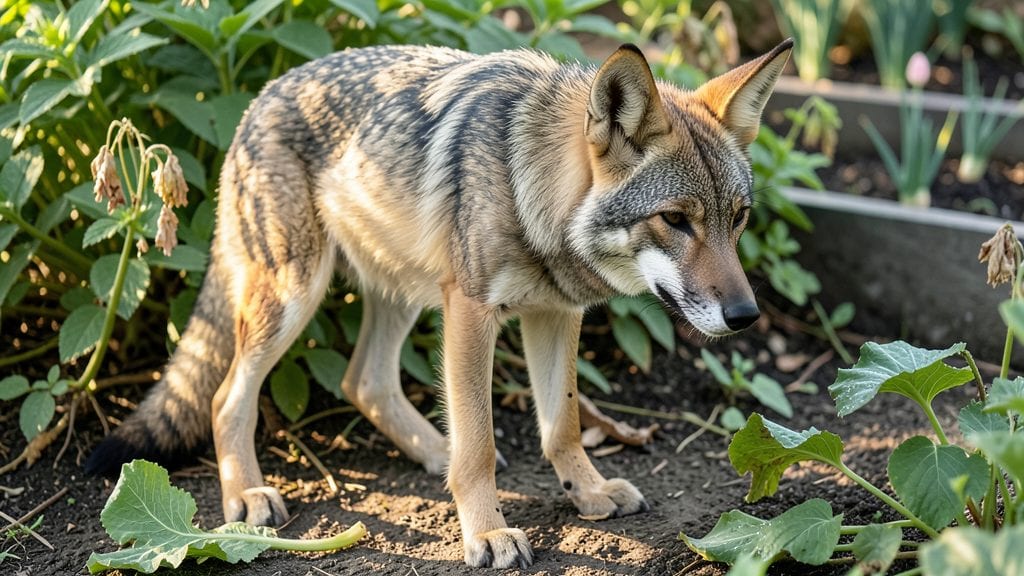
Keeping deer out of flower beds without a fence is possible—and I’ve finally cracked the code after years of nibbled petunias and trampled tulips. 🌱 The trick isn’t just one method but a layered approach: physical deterrents, scent-based repellents, and smart plant choices that deer hate.
Most people overlook the simplest solutions first: tall grass, prickly plants like barberry, or even 8-foot stakes wrapped in aluminum foil (yes, it works).
Repellents like rotten eggs or hot pepper spray need reapplication but buy you time, while companion planting with deer-resistant flowers like daffodils or lavender sends them packing naturally.
By combining these strategies, I’ve gone from zero blooms to full, thriving flower beds—even in deer-heavy neighborhoods. The key is consistency: deer learn patterns, so rotate methods seasonally. You’ll see results within a few weeks if you stay persistent.
Works for any yard size, from suburban flower patches to rural garden borders. Let’s get those beds back to looking like a garden, not a buffet for wildlife.
📚 In This Guide
- What you need
- Instructions
- Tips and common mistakes
- Wrapping up and next steps
What you need
- ● Deer-resistant plants: 5–10 plants per bed (e.g., Lavender, Marigolds, Snapdragons, or Foxglove—deer hate these!).
- ● Fencing alternatives: Plastic deer netting: 8–10 ft tall, 50–100 ft roll (depending on garden size). Look for 1" mesh or smaller.
- ● Wire mesh fencing: 4–6 ft tall, 100 ft roll (1/2"–1" hardware cloth).
- ○ Electric fencing (optional but effective): 2–3 strands, 5,000–10,000 volts (solar-powered options available!).
- ● Physical barriers: Tree rings or flexible tubing: 3–6 ft diameter (for young trees/shrubs).
- ● Chicken wire or hardware cloth: 2–3 ft tall, 25–50 ft sections.
- ● Repellents: Commercial spray repellents: 1–2 gallons (e.g., Liquid Fence, Deer Out, or Bobbex).
- ● Homemade repellent: 1 gallon (vinegar + garlic + hot pepper + water blend).
- ● Stakes or posts: 10–20 wooden or metal stakes (6–12" long) for securing barriers.
- ● Twine or zip ties: 50–100 ft (for securing netting or mesh).
- ● Motion-activated sprinklers: 1–2 units (e.g., ScareCrow) for water-based deterrents.
- ● Ultrasonic repellents: 1–2 devices (battery/solar-powered).
- ● Dog or goat: 1 (yes, really—just kidding… unless?).
- ● Reflective tape or old CDs: 1 roll (hang to create "moving" visuals).
- ● Compost or manure: Small bags (deer avoid areas with strong odors).
Step-by-Step guide to creating effective deer-resistant flower beds
Here’s how to protect your garden without fences—using natural deterrents that actually work.
🌿 Step 1: Choose Strategic Plant Placement
Deer avoid certain plants with strong scents or textures. Position deer-resistant perennials like lavender, Russian sage, and daffodils at the outer edges of your beds. These act as a natural buffer, making your garden less appealing. I like to plant them in clusters of 3-5 plants spaced 18-24 inches apart—this creates a dense, scent-rich barrier that deer tend to avoid.
For annuals, opt for salvias, catmint, or marigolds, which have foliage deer dislike. If your garden has high deer traffic, add alliums or fritillaries—their onion-like scent deters browsing. The key is variety: deer are less likely to linger when faced with unfamiliar textures and aromas.
💧 Step 2: Apply Natural Repellents
Commercial deer repellents often contain rotten eggs or predator urine, but homemade versions work just as well. Mix 1 gallon of water, 1 cup of rotten eggs, and 1 tablespoon of cayenne pepper in a spray bottle. Apply every 7-10 days or after rain. The strong smell masks plant fragrances, confusing deer. I like to spray early morning or late evening when deer are most active.
For a longer-lasting solution, try soapy water repellents. Combine 1 gallon of water, 1 cup of dish soap, and 5 drops of hot sauce. Spray the mixture on foliage, focusing on new growth and flower buds. Reapply after heavy rain. The soapy residue lingers on leaves, making plants unpalatable without harming beneficial insects.
☀️ Step 3: Install Physical Barriers
If deer are persistent, low fencing or netting can be effective without ruining your garden’s look. Use 6-foot-tall wire mesh or plastic deer netting stretched 12-18 inches above beds. Secure it tightly with stakes or rocks—deer can jump surprisingly high. For smaller areas, chicken wire wrapped around individual plants works well. I’ve seen deer leap 5-6 feet, so height matters.
Another option is pronged collars made from plastic or metal, placed around individual plants. These create a physical barrier that deer avoid. For trees and shrubs, wrap tree guards or flexible plastic tubing around trunks to protect young bark. The goal is to deter, not trap—deer should feel discouraged, not cornered.
✂️ Step 4: Maintain Deterrents Seasonally
Deer behavior changes with seasons. In spring and fall, when food is scarce, they’re more aggressive. Reapply repellents every 2 weeks during these times. In summer, when deer have more natural food sources, reduce applications to every 3-4 weeks. Always check for damaged foliage—if you spot chewed leaves, increase deterrent frequency.
Rotate repellent types to prevent deer from becoming accustomed to one scent. For example, alternate between soapy sprays and predator urine every few weeks. Keep barriers tidy and intact—deer will exploit gaps. If you notice trampled areas, reinforce with gravel or mulch to make beds less inviting.
Tips & tricks for perfect deer-resistant flower beds
Here's what nobody tells you about creating deer-resistant gardens that actually work—without fences or expensive solutions.
Plant Diversity is Key: In Step 1, when arranging your deer-resistant perennials, create a layered effect by mixing heights and textures. Tall plants like Russian sage should frame shorter varieties like lavender. This visual complexity confuses deer and makes your garden less appealing as a food source. I've found that adding 3-5 different plant types in each cluster creates the most effective barrier. The more unfamiliar the combination, the better.
Repellent Rotation Strategy: The instructions mention applying repellents every 7-10 days, but here's the secret: rotate between three different formulas to prevent deer from becoming accustomed to any single scent. Start with the rotten egg mixture in Step 2, then switch to soapy water after two applications, followed by a commercial predator urine product. This rotating scent profile keeps deer guessing and more effective long-term.
Barrier Height Matters: When installing physical barriers in Step 3, remember that deer can leap surprisingly high—up to 6 feet in some cases. While 6-foot wire mesh works, I recommend adding a 12-inch extension at the top of any barrier to create an overhang. This prevents deer from seeing their reflection or using the barrier as a jumping platform. For smaller plants, wrap them in chicken wire with the top folded outward to create a physical deterrent.
Seasonal Maintenance Calendar: Create a simple seasonal checklist based on Step 4's guidelines. Mark your calendar to reapply repellents every 2 weeks in spring and fall and every 3-4 weeks in summer. Add reminders to check for damaged foliage after heavy rains, as this is when deer are most likely to return. I keep a small notebook near my garden tools to track which repellents worked best each season and adjust my strategy accordingly.
Pro Tips for Keep Deer Out Of Flower Beds
- Here's what nobody tells you about creating deer-resistant gardens that actually work—without fences or expensive solutions.
- Plant Diversity is Key: In Step 1, when arranging your deer-resistant perennials, create a layered effect by mixing heights and textures.
- Repellent Rotation Strategy: The instructions mention applying repellents every 7-10 days, but here's the secret: rotate between three different formulas to prevent deer from becoming accustomed to any single scent.
Frequently asked questions
Got questions about keeping deer away from your flower beds without fences? You’re not alone—here are some of the most common concerns and straightforward answers to help you protect your garden effortlessly.
What’s the most effective deer-repellent plant I can add to my flower beds?
Deer tend to avoid plants like foxglove, daffodils, lavender, and Russian sage—their strong scents or toxicity deter them. Pair these with garlic or marigolds for extra protection. Just remember: no plant is 100% foolproof, so combine it with other methods like repellents or motion-activated sprinklers for best results.
How long does it take for deer repellents to work?
Most commercial repellents (sprays, granules, or soaps) start showing results within 24–48 hours, but deer may need a few applications to fully learn to avoid the area. Reapply every 4–6 weeks or after heavy rain. For natural options like predator urine, reapply every 2–4 weeks for consistent deterrence.
Are there budget-friendly ways to keep deer out without spending a lot?
Try these low-cost solutions:
- DIY spray: Mix 1 quart water + 1 tbsp cayenne pepper + 1 tbsp dish soap in a spray bottle.
- Obstacle gardens: Use brambles, thorny roses, or prickly plants like barberry as natural barriers.
- Motion-activated lights: Deer dislike sudden bright lights—solar-powered options work well.
Will deer eventually ignore repellents if I use them all the time?
Deer can grow accustomed to repellents over time, so rotate methods every few weeks. Mix up scents (e.g., switch from predator urine to a commercial spray), textures (like hanging aluminum pie pans), or even plant varieties to confuse them. Diversity is key!
Do I need to reapply repellents after it rains?
Yes! Rain washes away most repellents, reducing their effectiveness. Check your barriers after storms—especially sprays and granules—and reapply as needed. For long-term protection, opt for soil drenches or granular repellents that bond better with the ground.
Wrapping up and next steps
Keeping deer out of your flower beds doesn’t have to mean harsh fences or expensive solutions—just a mix of smart, humane strategies and consistency! From natural repellents to strategic plant choices, you’ve got plenty of tools to protect your garden while keeping wildlife happy.
Start small, test what works best for your space, and don’t give up—patience and persistence pay off.
Ready to reclaim your flower beds? Pick one or two methods from this guide, implement them this season, and watch your blooms thrive! 🌸 And if you’ve found a foolproof trick of your own, share it with the gardening community—everyone benefits from a little green thumb wisdom!