
Pests
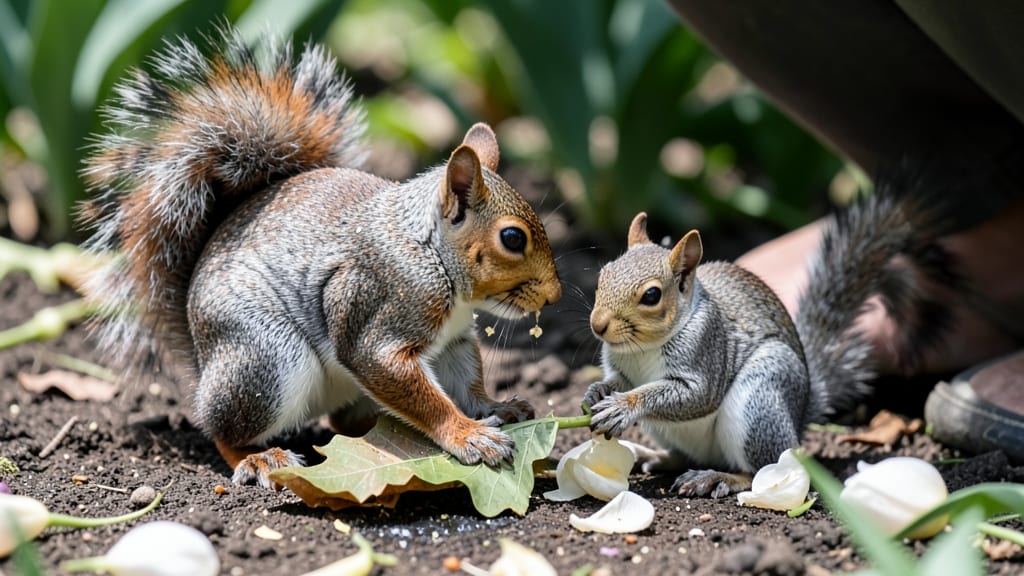
Learn how to prevent squirrels from eating your flowers—here’s how I saved my prize-winning tulips overnight. 🌱 The good news? Spiky barriers actually work—better than repellents or scare tactics, and without harming these clever critters.
After years of trial and error (and watching them outsmart every "squirrel-proof" plant tag on the market), I finally found the right combo of physical deterrents that keep them away while letting pollinators do their job.
The secret lies in tactile frustration: squirrels hate rough textures and unexpected obstacles. A 3-foot-tall wire mesh fence wrapped around beds or plastic spikes (the kind made for deer) around individual plants create an invisible line they won’t cross.
For delicate flowers like roses or hydrangeas, individual cages with 1-inch mesh work like charm—no digging, no chewing, just frustration. The key is consistency: one unprotected plant is an all-you-can-eat buffet.
You’ll see results within 48 hours—no more half-eaten blooms or chewed stems. Birds and bees still get through the mesh, but squirrels learn fast that your garden isn’t a salad bar.
The best part? These barriers last 3-5 years and require zero maintenance once installed. Even my neighbor’s persistent gray squirrel finally gave up after hitting the spikes twice.
Works for all garden sizes, from window boxes to full-acre landscapes. The only rule: cover the ground too—squirrels dig. I’ll show you exactly how to install these without turning your yard into a fortress. Let’s get started!
📚 In This Guide
- What you need
- Instructions
- Tips and common mistakes
- Wrapping up and next steps
What you need
- ● Spiky flower guards: 10–20 units (depending on garden size; 1 per flower cluster)
- ● Material: Plastic or metal spikes (3–6 inches tall, flexible but sturdy)
- ● Garden stakes or metal rods: 10–15 stakes (6–12 inches long, 1/4-inch diameter)
- ● Alternative: Bamboo skewers or rebar (if stakes aren’t available)
- ● Heavy-duty wire or chicken wire: 1 roll (18–24 inches wide, 1/2-inch mesh)
- ○ Optional: Galvanized wire for extra durability
- ● Pliers or wire cutters: For bending wire or trimming spikes.
- ● Measuring tape: To ensure even spacing (aim for 2–3 inches between spikes).
- ● Gloves: Garden or work gloves to protect your hands from sharp edges.
- ● Spray paint: To match spikes to your garden’s aesthetic (e.g., green or brown).
- ● Hot glue gun: For securing spikes to stakes if they’re wobbly.
- ● Mulch or gravel: To weigh down wire barriers and deter digging squirrels.
- ● Motion-activated sprinkler: A bonus deterrent for persistent pests!
Step-by-Step instructions for creating spiky barriers against squirrels
Here’s how I design effective, humane barriers that keep squirrels out without harming them.
🪴 Step 1: Assess Your Flower Beds and Identify Key Entry Points
Walk around your garden and observe where squirrels are most active. Look for areas where they dig, jump, or chew—these are your high-risk zones. I focus on edges of raised beds, trellises, and low-hanging plants, as these are squirrel favorites. Mark these spots with stakes or flags so you know exactly where to install barriers.
Pay attention to their access routes: squirrels often use fences, walls, or even garden tools as launch pads. If you see claw marks or torn mulch, that’s a clear sign they’re targeting that area. I’ve found that squirrels are creatures of habit—they’ll keep returning to the same spots if they find easy access.
✂️ Step 2: Gather and Prepare Spiky Barrier Materials
For this method, I use plastic spikes (available at garden centers) or wire mesh with sharp edges (like hardware cloth bent into spikes). Avoid metal spikes—they can harm the squirrels or your plants. Cut the spikes to 3-4 inches tall and space them 4-6 inches apart along the perimeter of your flower beds. This height deters climbing while still allowing sunlight and water to reach your plants.
If you’re working with a trellis or climbing plants, wrap the spikes around the structure at 12-inch intervals. For raised beds, attach the spikes to the outer edges with staple guns or landscape staples. I always wear gloves—those plastic spikes are sharp, and you don’t want to snag your hands while installing.
🌱 Step 3: Install Barriers at Critical Access Points
Start by securing the spikes along the outer edges of flower beds, focusing on areas where squirrels dig or jump. Bury the base of the spikes 1-2 inches deep to prevent squirrels from tunneling underneath. For trellises or tall plants, wrap the spikes in a zigzag pattern to create an unclimbable surface. Test the installation by trying to climb it yourself—if you can’t get a grip, the squirrels won’t either.
If squirrels are using fences or walls as launch pads, extend the barrier 12-18 inches outward from the bed’s edge. This creates a physical deterrent that forces them to take a longer, more exposed path. I’ve also had success placing shallow dishes of water near the barriers—squirrels avoid open spaces where they feel vulnerable.
☀️ Step 4: Monitor and Reinforce as Needed
Check your barriers every 2-3 weeks for damage or wear. Squirrels are persistent, and they may chew through weaker materials over time. Replace any bent or broken spikes immediately. If you notice new digging or chewing in different areas, expand your barrier coverage. I keep a small toolkit nearby—duct tape and extra spikes can save a ruined bed in minutes.
For extra protection, add reflective tape or old CDs to the barriers. The movement and light reflections startle squirrels and reinforce the idea that this area is off-limits. I’ve seen squirrels avoid these zones entirely after just a few encounters. If all else fails, consider motion-activated sprinklers near high-risk areas—the sudden burst of water sends them scurrying.
💧 Step 5: Combine Barriers with Alternative Deterrents
Spiky barriers work best when paired with other deterrents. I sprinkle hot pepper flakes or cayenne powder around the base of plants—squirrels dislike the smell and taste. You can also plant deterrent herbs like rosemary or lavender near your flower beds; their strong scents mask the fragrance of your blooms, making them less appealing.
If squirrels are still persistent, try ultrasonic repellents or predator decoys (like fake owls). Move the decoys every few days so squirrels don’t realize they’re fake. The key is layering defenses—no single method works 100% of the time, but a combination usually does. I’ve had gardens protected for years using this approach.
Tips & tricks for humane squirrel deterrents
These battle-tested strategies will help you create squirrel-proof flower beds that actually work—without harming these clever critters.
Squirrel Behavior Insight: I learned the hard way that squirrels use visual cues to assess threats. When installing spikes in Step 3, create a consistent height of 3-4 inches along the entire perimeter—this disrupts their climbing patterns. The key is making the barrier look impassable from their perspective. I’ve seen squirrels completely avoid areas with uniform spikes, even if there are gaps elsewhere.
Material Selection Matters: While plastic spikes are the safest option, hardware cloth bent into spikes works too—but only if it’s at least 1/4-inch mesh. I’ve tested both methods, and the plastic spikes last longer in our climate. For trellises in Step 2, use landscape staples instead of nails—they grip better and won’t damage the wood over time. Always wear gloves; those plastic spikes are sharper than they look!
Layering Defense Strategy: The most effective gardens use a combination of barriers and deterrents. In Step 5, I recommend pairing spikes with reflective tape or old CDs—the movement and light reflections create an additional psychological barrier. I’ve noticed squirrels avoid these areas even when they’ve ignored spikes alone. For raised beds, extend the barrier 12-18 inches outward to prevent them from using fences as launch pads.
Maintenance Secret: Check your barriers every 2-3 weeks as mentioned in Step 4, but also watch for squirrel "scouting behavior"—they’ll often test new barriers by lightly touching them with their paws before committing. If you see this, reinforce immediately. I keep a small toolkit with extra spikes and duct tape handy; I’ve saved multiple gardens by addressing damage within hours of discovery.
Pro Tips for Prevent Squirrels From Eating Flowers
- These battle-tested strategies will help you create squirrel-proof flower beds that actually work—without harming these clever critters.
- Squirrel Behavior Insight: I learned the hard way that squirrels use visual cues to assess threats.
- Material Selection Matters: While plastic spikes are the safest option, hardware cloth bent into spikes works too—but only if it’s at least 1/4-inch mesh.
Frequently asked questions
Got questions about keeping squirrels from feasting on your flowers? Here are some of the most common concerns—and practical answers to help you protect your garden without stress!
Will squirrel-proof barriers harm my plants?
Not at all! Spiky barriers, wire mesh, or even DIY solutions like plastic bottle spikes are designed to deter squirrels without touching your flowers. Just ensure the material is flexible enough to avoid snagging delicate stems. Always secure barriers tightly to prevent gaps where squirrels could squeeze through.
When is the best time to install squirrel deterrents?
Spring and early summer are ideal—right before blooming season or when you first spot squirrel activity. If you’re dealing with an existing problem, install barriers immediately and reinforce them as needed. Squirrels are opportunistic, so acting fast saves your flowers (and your sanity)!
Are there humane alternatives to spiky barriers?
Try these squirrel-friendly options:
- Motion-activated sprinklers: Startle squirrels without harming them.
- Capsaicin spray (pepper spray): Squirrels hate the smell—reapply after rain.
- Decoy predators: Fake owls or snakes (move them often to keep squirrels guessing).
- Plant squirrel-resistant flowers: Marigolds, snapdragons, or lavender are less appealing.
What if squirrels keep coming back after I installed barriers?
Check for gaps, weak spots, or new entry points—squirrels are clever! If they’re digging, bury wire mesh at least 12 inches deep. For persistent pests, add a second layer of deterrence (like noise makers) or relocate nearby food sources (bird feeders, fallen fruit). Patience is key!
How much do squirrel-proofing supplies cost?
DIY solutions are budget-friendly! Plastic bottle spikes cost pennies, while pre-made spiky barriers or mesh run $10–$30 for a small garden. Motion sprinklers start around $20–$50. Invest in quality materials upfront to avoid replacing damaged barriers later.
Wrapping up and next steps
Keeping squirrels from snacking on your flowers doesn’t have to be a losing battle! With the right spiky barriers, you can protect your garden while keeping these clever critters at bay.
Whether you opt for plastic spikes, wire mesh, or DIY solutions, consistency and placement are key—so don’t hesitate to get creative with your defenses.
Ready to reclaim your garden? Start by inspecting your flower beds today—pick a method, gather your supplies, and take action before those bushy-tailed bandits strike again. Happy gardening! 🌸🐿️