Pests
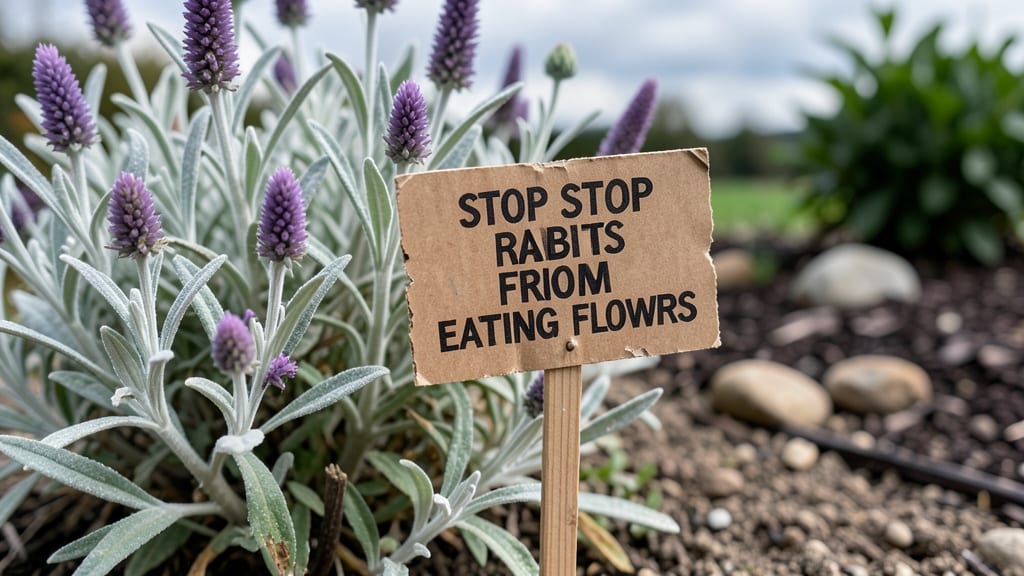
Learn how to stop rabbits from eating your flowers—because those chewed petals and nibbled stems are a gardener’s worst nightmare! The key isn’t just one solution but layered defense that actually works without harming pollinators or your pets.
Most people start with fencing, but I’ve found that 8-foot tall chicken wire buried 6 inches deep is the gold standard—rabbits can’t dig under it, and they won’t jump over it.
Pair that with garlic-based sprays (mix 1 part garlic juice to 10 parts water) and commercial repellents like Liquid Fence, and you’ll see results in 2-3 weeks. The secret? Consistency—rabbits are creatures of habit, and they’ll move on if their favorite snack spots become unpleasant.
You’ll end up with lush, unmolested blooms that stay vibrant all season, plus a garden where rabbits think twice before taking a bite. The best part? These methods work for perennials, annuals, and even veggie patches—no more sad, half-eaten flowers or gnawed stems.
Let’s get your garden back to its full glory.
For long-term success, focus on removing hiding spots (like tall grass or brush piles) and planting rabbit-resistant flowers like lavender, daffodils, and snapdragons near your prized blooms. A little strategy goes a long way—your garden (and your sanity) will thank you.
📚 In This Guide
- What you need
- Instructions
- Tips and common mistakes
- Wrapping up and next steps
What you need
- ● Chicken wire or hardware cloth – 18-24 inches tall, 1/2-inch mesh or smaller (to block tiny rabbit paws!).
- ● Stakes or posts – 4-6 per 10-foot section, 6-inch deep for stability.
- ● Garden twine or zip ties – For securing fencing tightly.
- ● Commercial rabbit repellent spray – Look for peppermint oil-based or castor oil formulas (e.g., Bonide Rabbit Repellent).
- ● Gloves & safety goggles – For handling sprays or sharp tools.
- ● Natural repellents: Garlic or chili pepper spray (mix 1 tbsp each with 1 quart water + 1 tsp dish soap).
- ● Predator urine (coyote or fox urine, available at garden stores).
- ● Decorative barriers – Mulch, rocks, or thorny plants (like barberry) around flower beds.
- ● Motion-activated sprinkler – ScareCrow brand works well for large areas.
- ● Plant-based deterrents – Lavender, rosemary, or marigolds (rabbits dislike their scent!).
Step-by-step guide to protecting flowers from rabbits
Here’s how I’ve kept my flower beds rabbit-free for years—using barriers, deterrents, and smart timing.
Install a Sturdy Physical Barrier
Rabbits can squeeze through gaps as small as 3 inches, so a chicken wire fence at least 2 feet high with 1-inch mesh is essential. Bury the bottom 6 inches deep or extend it outward at a 45-degree angle to prevent digging. I use galvanized hardware cloth for durability—it won’t rust like wire and lasts for seasons.
For existing flower beds, frame them with 12-inch tall wire cages secured with stakes. Rabbits can’t jump this, and the mesh blocks their view of tasty blooms. If you have a large garden, connect sections with T-posts every 4 feet to prevent sagging. Check for gaps every few weeks—rabbits will exploit any openings.
Apply Natural Rabbit Repellents
Commercial sprays often contain harsh chemicals, so I rely on homemade blends that rabbits despise. Mix 1 part hot pepper sauce, 1 part garlic, and 1 part rotten eggs with 1 gallon of water, then spray on leaves and soil. Reapply every 5-7 days or after rain. The strong smells mask flower fragrances while irritating rabbits’ sensitive noses.
For a longer-lasting solution, plant strongly scented herbs like rosemary, lavender, or mint around flower beds. Rabbits avoid these, and the foliage doubles as natural mulch. I also scatter crushed eggshells or coffee grounds near vulnerable plants—the gritty texture deters nibbling. Refresh these every 2-3 weeks for best results.
Use Motion-Activated Deterrents
Rabbits are skittish, so motion-activated sprinklers or predator decoys work wonders. Place a solar-powered sprinkler near the garden—it startles rabbits with a sudden spray when they approach. For a low-tech option, move plastic owls or snakes every few days so rabbits don’t get used to them. I’ve seen rabbits bolt at the sight of a decoy, even if it’s fake.
If you have a porch light, install a timer to keep it on during dawn and dusk—these are peak feeding times for rabbits. The sudden light disrupts their grazing patterns. For extra protection, wrap aluminum foil strips around stakes near flower beds; the noise and reflection confuse them. Combine these methods for the best defense.
Implement Long-Term Habitat Modifications
Rabbits prefer gardens with dense cover and easy access. Trim back overgrown shrubs and remove brush piles near flower beds to eliminate hiding spots. Keep lawns mowed short—tall grass provides shelter for rabbits to lurk before striking. I also install rock borders around flower beds; rabbits dislike the uneven terrain and avoid crawling over them.
If rabbits are persistent, consider livetraps to relocate them humanely. Check local regulations first—some areas require permits. For severe infestations, a professional wildlife removal service can assess the situation and recommend targeted solutions. Prevention is key, but sometimes a combination of tactics is needed to break their habit.
Monitor and Adjust Strategies
Check your garden weekly for new damage—rabbits often return after a few days if they find food accessible. If you notice chewed leaves or missing blooms, reassess your barriers and repellents. I keep a garden journal to track which methods work best each season. For example, if sprays wash off in heavy rain, I switch to granular repellents mixed into the soil.
Rotate repellents every 4-6 weeks to prevent rabbits from becoming accustomed to them. If one method fails, combine it with another—like adding a fence to a spray regimen. Consistency is critical; rabbits learn quickly, so stay proactive. With patience, you’ll create a rabbit-proof sanctuary for your flowers.
Tips & tricks for protecting flowers from rabbits
These battle-tested strategies will help you create an impenetrable defense for your flower beds—without resorting to harmful chemicals or expensive solutions.
Barrier Installation: When installing your 2-foot high fence or 12-inch cages, focus on eliminating every potential entry point. Rabbits can squeeze through surprisingly small gaps, so double-check that your 1-inch mesh is securely fastened with no sagging. I always bury the bottom 6 inches or angle it outward at 45 degrees—this prevents their signature digging attempts. For extra security, add a second layer of 1-inch mesh along the bottom foot of the fence. The combination of height, depth, and mesh density creates a nearly impenetrable fortress.
Repellent Rotation: Rabbits develop a tolerance to repellents over time, so rotating your methods is essential. After the initial 5-7 day application of your homemade spray, switch to granular repellents mixed into the soil for the next 2-3 weeks. Then reintroduce the spray with a stronger concentration—double the hot pepper sauce ratio. This rotation keeps rabbits guessing and prevents them from adapting to your defenses. I've found that combining visual deterrents like plastic owls with scent-based repellents creates a multi-sensory barrier that's particularly effective.
Habitat Modification: The key to long-term success lies in making your garden less appealing to rabbits. Beyond the obvious steps like keeping lawns mowed short, pay special attention to removing brush piles and overgrown shrubs within 10 feet of your flower beds. Rabbits use these as hiding spots before launching attacks. I've also had success creating a 2-foot wide "no-man's land" around vulnerable plants by installing rock borders. The uneven terrain and sharp edges discourage rabbits from approaching, while the visual barrier blocks their view of potential meals.
Behavioral Insight: Rabbits are creatures of habit, so understanding their patterns gives you a significant advantage. They're most active during dawn and dusk, which is why timed porch lights work so well. But here's what nobody tells you—rabbits also return to the same feeding spots repeatedly. If you notice damage in one area, focus your defenses there first. I've seen rabbits completely ignore well-protected flower beds if they find an unguarded section elsewhere in the garden. This is why I recommend implementing a layered defense system—combine physical barriers with repellents and habitat modifications for maximum effectiveness.
Pro Tips for Stop Rabbits From Eating Flowers
- These battle-tested strategies will help you create an impenetrable defense for your flower beds—without resorting to harmful chemicals or expensive solutions.
- Barrier Installation: When installing your 2-foot high fence or 12-inch cages, focus on eliminating every potential entry point.
- Repellent Rotation: Rabbits develop a tolerance to repellents over time, so rotating your methods is essential.
Frequently asked questions
Got questions about keeping rabbits away from your flowers? You’re not alone!
Here are some of the most common concerns—and practical solutions—to help you protect your garden without harming those fluffy pests.
What’s the fastest way to stop rabbits from eating my flowers right now?
For immediate results, combine a physical barrier (like chicken wire or fencing) with a repellent spray (e.g., hot pepper wax or commercial rabbit repellent). Apply the spray in the evening when rabbits are most active, and secure the fence at least 12 inches deep to deter digging.
Are there natural rabbit repellents that actually work?
Yes! Try these DIY-friendly options:
- Garlic or onion spray: Blend garlic/onion with water, strain, and spray around plants.
- Predator urine (coyote or fox): Place near the garden edges—rabbits associate it with danger.
- Marigolds or lavender: Plant these near your flowers; rabbits dislike their scent.
How deep should I bury my fence to keep rabbits out?
Rabbits are master diggers, so bury the fence at least 12–18 inches deep and bend the top outward (like an "L" shape) to prevent them from hopping over. For extra security, add an outward-facing extension at the top (6–12 inches). Pro tip: Use hardware cloth (not chicken wire) for long-term durability.
Will rabbit-proofing hurt my plants or soil?
Most repellents and fencing are plant-safe, but always check labels for organic certifications if you’re concerned. Physical barriers (like fences) have zero impact on soil or flowers. Just avoid chemical sprays near edible plants. For extra caution, test sprays on a small area first.
What if rabbits keep coming back after I’ve tried everything?
If rabbits persist, they might be newcomers to your area or drawn by abundant food elsewhere. Try:
- Adding motion-activated sprinklers (startling them away).
- Planting rabbit-resistant flowers (e.g., snapdragons, foxgloves, or daffodils).
- Using ultrasonic repellents (though effectiveness varies).
Wrapping up and next steps
Stopping rabbits from feasting on your flowers doesn’t have to be a losing battle!
With the right mix of fencing, natural repellents, and strategic plant choices, you can protect your garden while keeping those fluffy critters happy elsewhere. 🌿 Start small—try one or two methods first, then expand as needed.
Now that you’re armed with solutions, take action today. Begin with the simplest fix, like a temporary barrier or a sprinkle of cayenne pepper, and watch your blooms thrive. Your garden (and your rabbits!) will thank you.