
Planting
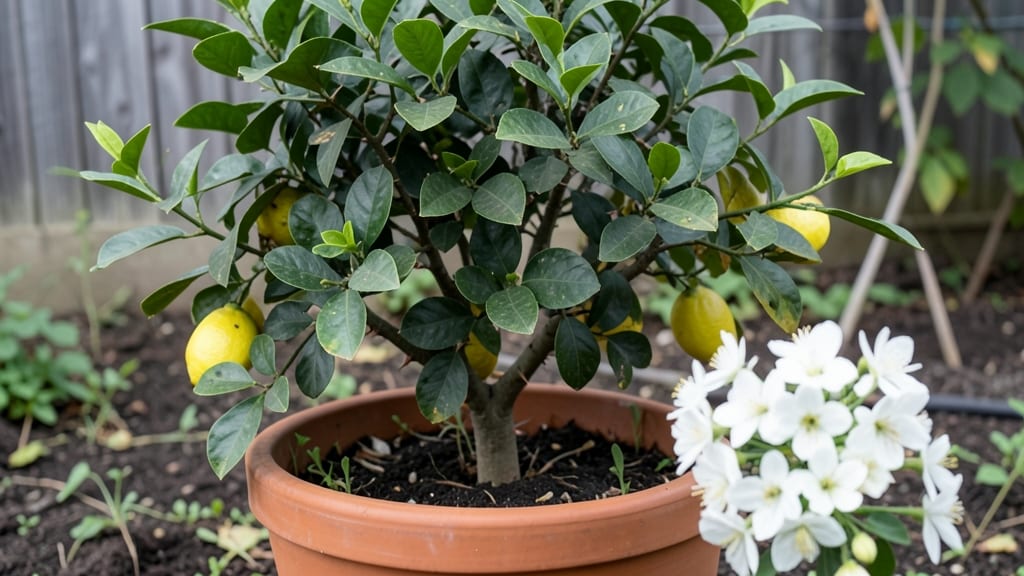
Your lemon plant flower dreams start with a single, deliberate cut—because pruning isn’t just about shaping branches, it’s about unlocking that intoxicating citrus scent year-round. 🌿 I’ve learned the hard way that skipping this step means fewer blooms and no fruit, no matter how much sun your plant gets.
The secret lies in three simple pruning tricks that boost airflow, redirect energy, and trick your plant into flowering like crazy.
Most gardeners overlook the fact that lemon plants need light, strategic pruning to flower—especially if you’re growing indoors where conditions can’t mimic a Mediterranean climate. Start by snipping back leggy growth in early spring (that’s when new blooms form), then repeat after harvest to encourage a second flush.
Three cuts in the right places mean more flowers, and more flowers mean more lemons—it’s that straightforward.
What you’ll end up with is a plant dripping with tiny white flowers that smell like sunshine, followed by a harvest of homegrown lemons by midsummer.
The fragrance alone makes it worth the effort, but the payoff is real: vibrant green leaves, sturdy branches, and fruit that tastes nothing like store-bought. Even my black thumb can’t mess this up once you know the tricks.
Works for dwarf Meyer lemons, standard varieties, and even container-grown plants—just adjust the pruning timing based on your climate. Let’s get those blooms going!
📚 In This Guide
- What you need
- Instructions
- Tips and common mistakes
- Wrapping up and next steps
What you need
- ● Lemon plant (Citrus × limon) – Choose a healthy, mature plant with visible buds or flowers (potted or bare-root). Pro tip: A 1- to 3-year-old plant works best for pruning and blooming!
- ● Pruning shears or sharp bypass pruners – Must be clean and sterilized (rubbing alcohol or bleach wipe works). Avoid dull tools—they crush stems!
- ● Rubbing alcohol (70% or higher) – 1 small bottle (for sterilizing tools between cuts).
- ○ Garden gloves – 1 pair (optional but recommended to protect from thorns and sap).
- ● Well-draining potting mix – 1 bag (look for a citrus-specific blend or mix 50% regular potting soil + 50% perlite/sand for drainage).
- ● 10-10-10 or citrus-specific fertilizer – 1 small container (for post-pruning care).
- ● Rooting hormone – 1 small tube (to boost success if propagating cuttings).
- ● Small pots (4-6 inches) – 2-3 (for propagating new plants from pruned branches).
- ● Spray bottle with water – 1 (to mist cuttings and encourage rooting).
- ● Plastic wrap or humidity dome – 1 sheet (to create a mini greenhouse for cuttings).
- ● Citrus food or Epsom salt – 1 small bag (for a magnesium boost after pruning).
How to encourage lemon plant flowers with simple pruning
Here’s the straightforward method I use to coax lemon trees into blooming—no fancy techniques, just smart cuts.
🌱 Step 1: Prune for Light and Airflow
Start by removing any dead, crossing, or inward-growing branches with clean, sharp pruning shears. I always cut just above a leaf node or outward-facing bud—this encourages new growth in the right direction. Aim to open up the center of the plant so light reaches all branches.
Lemon trees need bright light (6-8 hours daily) to flower, and thick foliage blocks it. After pruning, step back and check for gaps. If you see bare spots, that’s your cue to trim more. Just avoid cutting into old wood—new growth on younger branches blooms best.
✂️ Step 2: Trim Back Overgrowth After Flowering
Once your lemon tree finishes blooming, cut back any leggy or overly long branches by one-third their length. This redirects energy into producing more flowers next season. Focus on branches that grew too fast after pruning—these often end up sparse and unproductive.
I like to do this in early spring before new growth starts. Watch for fresh green shoots emerging from the cut points—these are your future blooming branches. If you see yellowing leaves, that’s a sign you pruned too late or too hard.
☀️ Step 3: Encourage Blooms With a Strategic Cut
For established trees, make a light pruning cut just above a cluster of leaves where you want flowers to form. This small cut stimulates branching and flower production. Avoid heavy pruning in winter—lemon trees are sensitive to cold stress, and over-trimming can shock them.
After cutting, water deeply to help the tree recover. You’ll notice new buds forming within 4-6 weeks if conditions are right. If your tree isn’t blooming, check for low light or overwatering—both can prevent flowers from appearing.
🌿 Step 4: Maintain Year-Round for Continuous Blooms
Keep pruning lightly every 3-4 months to maintain shape and encourage new growth. Remove any suckers (shoots growing from the base) immediately—they drain energy from flowering branches. A well-maintained lemon tree can produce blooms year-round in warm climates.
I also fertilize lightly in spring with a citrus-specific blend to support flowering. Avoid heavy nitrogen—too much leafy growth means fewer flowers. Watch for tiny white buds forming along the branches; these are your first sign of success!
Tips & tricks for perfect lemon plant blooms
A few simple tricks can make all the difference in getting your lemon plant to flower reliably.
Timing Secret: The 6-8 hours of daily bright light mentioned in Step 1 is non-negotiable for flowering. I place my lemon tree near a south-facing window or under grow lights during winter months when natural light is limited. If you notice leaves stretching toward the light or turning pale, it's a sign your tree needs more light to trigger blooming.
Pruning Precision: When making that one-third length cut in Step 2, focus on the branch's overall shape rather than just length. Cut at a 45-degree angle just above an outward-facing bud or leaf node—this creates a natural growth direction. I always make my cuts just after flowering when the tree has directed its energy into fruit production, giving it a fresh start for next season's blooms.
Recovery Strategy: After any significant pruning, water deeply to help the tree recover. I give my lemon tree a thorough soak in the morning after pruning, which helps reduce stress and encourages new growth. Watch for fresh green shoots emerging from the cut points within 2-3 weeks—these are your future flowering branches. If you see yellowing leaves instead, you may have pruned too late in the season or too aggressively.
Seasonal Considerations: Avoid heavy pruning in winter when lemon trees are most vulnerable to cold stress. I time my most aggressive pruning for early spring (just before new growth starts) and do lighter maintenance cuts every 3-4 months throughout the year. This keeps the tree healthy while encouraging continuous blooming in warm climates.
Pro Tips for Lemon Plant Flower
- A few simple tricks can make all the difference in getting your lemon plant to flower reliably.
- Timing Secret: The 6-8 hours of daily bright light mentioned in Step 1 is non-negotiable for flowering.
- Pruning Precision: When making that one-third length cut in Step 2, focus on the branch's overall shape rather than just length.
Frequently asked questions
Got questions about coaxing those stunning lemon plant flowers to bloom—or keeping them thriving once they do? Here are answers to the most common curiosities, from timing to troubleshooting!
When do lemon plant flowers actually bloom?
Most lemon plants (like Meyer lemons) bloom in spring (March–May) with a few sporadic flowers in fall. Young plants may take 2–3 years to flower, while mature ones can burst into bloom year-round in warm climates. Patience is key—consistent care speeds things up!
How long until lemon flowers turn into fruit?
After pollination (often by bees), flowers take 6–12 months to ripen into lemons, depending on the variety. Meyer lemons are faster (6–9 months), while standard lemons can take up to a year. Pro tip: Hand-pollinate with a soft brush if you’re in a low-bee area!
Why aren’t my lemon plant flowers turning into fruit?
No fruit? Check these fixes:
- Lack of pollination: Gently shake branches or use a paintbrush to transfer pollen.
- Too young: Plants under 3 years old may focus on growth, not fruit.
- Temperature shock: Flowers drop if temps dip below 50°F (10°C).
- Over-fertilizing: Too much nitrogen = more leaves, fewer flowers.
Can I eat lemon plant flowers?
Lemon blossoms are edible and add a delicate citrus zest to teas, desserts, or garnishes. Steep 3–4 flowers in hot water for 5 minutes to make fragrant tea. Warning: Avoid pesticides if using them culinary!
What if my lemon plant only has leaves and no flowers?
Boost blooms with these tweaks:
Issue
Fix
Too much shade
Move to 6+ hours of sunlight daily.
Overwatering
Let soil dry 1–2 inches deep between waterings.
Low nutrients
Fertilize with citrus-specific food in spring/fall.
Stress (pests/disease)
Inspect leaves and treat with neem oil if needed.
Wrapping up and next steps
Growing a lemon plant with fragrant flowers is a rewarding journey that fills your space with year-round citrus magic! 🌿 With the right pruning tricks—like shaping for airflow, pinching for blooms, and cleaning up dead growth—you’ll keep your plant thriving and blooming beautifully.
The key is patience and a little TLC, but the sweet scent and vibrant flowers make it all worth it.
Ready to take your lemon plant to the next level? Start experimenting with your pruning techniques today—and don’t forget to share your progress with fellow plant lovers! 🌸