
Blooming
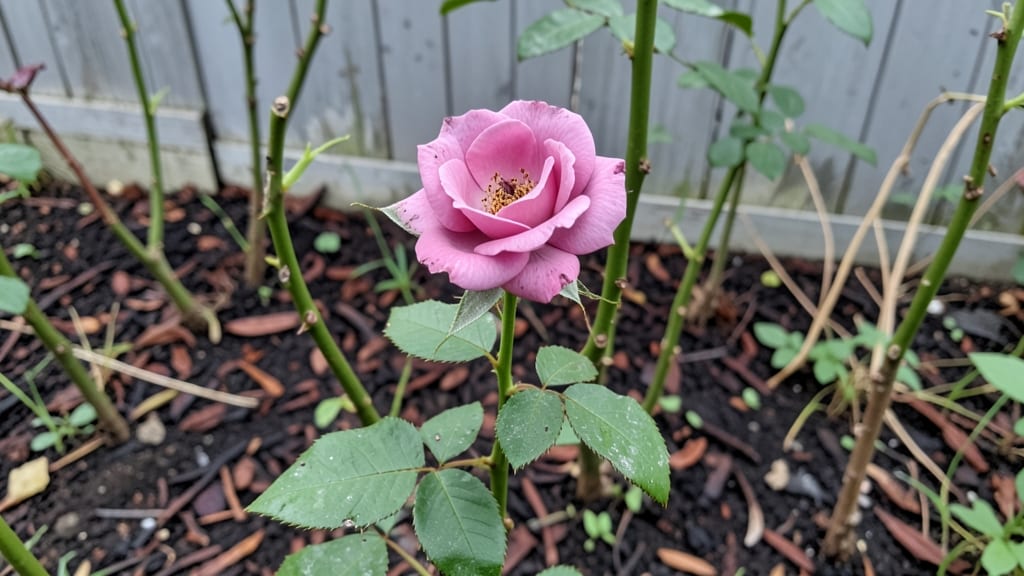
Pink flowers with stems long enough for bouquets that last a week—this is the kind of frost-resistant beauty that thrives in the Pacific Northwest’s cool, damp climate. 🌸 I’ve learned the hard way that not all pink blooms hold up through rain and chilly nights, but these varieties prove that stunning cut flowers and resilient garden plants aren’t mutually exclusive.
The secret lies in choosing plants like peony roses (with their velvety petals and sturdy stems) or dahlias (which bloom in waves from summer through frost). These aren’t just pretty faces—they’re workhorses that pair effortlessly in garden beds or mixed containers.
A single ranunculus stem can stretch 24 inches, perfect for vases or wildflower arrangements that last for days.
Imagine cutting a bouquet in June and watching it stay fresh through a July rainstorm—no wilting, no drooping. These flowers don’t just survive the Pacific Northwest’s weather; they thrive, their petals deepening in color with each cool evening.
The right companions (like lavender for contrast or salvia for texture) turn a simple garden corner into a showstopper.
Whether you’re designing a cutting garden, lining a path, or filling a container, these pink stalwarts deliver both drama and durability. Let’s talk varieties, planting tips, and how to keep your stems strong from first bloom to final frost.
📚 In This Guide
- What you need
- Instructions
- Tips and common mistakes
- Wrapping up and next steps
What you need
- ● Seeds or young plants: Choose frost-hardy pink-flowering varieties (e.g., Diervilla lonicera, Heuchera, or Primula denticulata). Buy from local nurseries or reputable online sellers (3–5 plants for a small garden, 6+ for larger spaces).
- ● Well-draining soil: Mix 1 part compost with 2 parts native soil (or potting mix for containers). Test soil pH (ideal: 6.0–7.0 for most pink bloomers).
- ● Organic fertilizer: Slow-release 10-10-10 or balanced compost tea (1 tbsp per plant at planting time).
- ● Mulch: 2–3 inches of wood chips, straw, or shredded bark to insulate roots in winter.
- ● Watering can or hose: With a fine-mist nozzle for gentle hydration.
- ● Garden trowel or shovel (for planting).
- ● Pruners (sterilized with rubbing alcohol).
- ● Gloves (gardening or work gloves).
- ● Measuring tape (to space plants 18–36 inches apart, depending on variety).
- ● Sunlight gauge: Confirm your garden gets partial shade to full sun (most PNW pink flowers thrive in 4–6 hours of sunlight).
- ● Container gardening: 10–15-inch pots with drainage holes (for balconies or small spaces).
- ● Frost cloth: Lightweight fabric to protect young plants during late frosts (spring or fall).
- ● Pink-flowering companions: Pair with Salvia or Lavender for pollinator-friendly contrast.
- ● Slow-release watering system: Drip irrigation or self-watering globes for low-maintenance care.
Step-by-Step guide to growing long-stem pink flowers in the Pacific Northwest
Here's how to cultivate hardy pink blooms that thrive in cool climates and deliver stunning stems for arrangements.
🌱 Step 1: Select Frost-Resistant Pink Varieties
Choose dianthus, peonies, or hardy geraniums—these varieties produce long stems with vibrant pink blooms while enduring Pacific Northwest winters. I recommend Dianthus 'Firewitch' for its 4-inch stems or Peony 'Sarah Bernhardt' for 36-inch stems that last weeks in vases. Check your zone (PNW is typically zones 7-9) and select varieties rated for 20°F minimum temperatures—most of these handle our winters just fine.
Purchase bare-root plants in early spring or container-grown specimens in fall for best establishment. If starting from seed, begin indoors 8-10 weeks before last frost—these varieties often take 2-3 years to reach full stem length, so patience pays off. I always plant at least 4 plants to ensure a continuous bloom cycle throughout summer.
☀️ Step 2: Prepare the Planting Site for Cool-Climate Success
Pick a location with full sun (6+ hours daily) but with afternoon shade if your summers get hot—dianthus especially appreciates this balance. Amend the soil with 3 inches of compost to improve drainage, as these plants hate soggy roots. The PNW's acidic soil often needs adjustment too: test your soil and add lime if pH drops below 6.5—most pink-flowering perennials prefer 6.5-7.0. I dig in 1 cup of bone meal at planting time to encourage strong stem development.
Space plants 18-24 inches apart to allow stems to grow unobstructed. Dig holes twice as wide as the root ball but only as deep—planting too deep buries the crown and causes rot. Water deeply before planting to settle the soil and eliminate air pockets around roots. This ensures strong initial growth and better frost resistance in winter.
💧 Step 3: Water and Fertilize for Long, Sturdy Stems
Water deeply once a week during the first growing season, aiming for 1 inch of moisture per week. Let the top 2 inches of soil dry between waterings to prevent fungal diseases that attack stems. I use drip irrigation in the morning to avoid wetting foliage—this keeps stems strong and reduces mildew risks. Once established (after 2 years), these plants become drought-tolerant but still produce longer stems with consistent moisture.
Feed with a balanced 10-10-10 fertilizer in early spring and again after flowering. For extra-long stems, side-dress with 1 tablespoon of composted manure around each plant in late spring. Avoid high-nitrogen fertilizers—they encourage leafy growth at the expense of flower stems. You'll notice taller, straighter stems when you provide phosphorus-rich food (the middle number in fertilizer ratios).
✂️ Step 4: Prune and Support for Maximum Stem Length
Deadhead spent blooms immediately to redirect energy into new stems. Cut back 1/3 of the oldest stems after flowering to encourage fresh growth. For varieties like peonies, never cut stems below the bud—this weakens next year's blooms. I install bamboo stakes at planting time for varieties prone to flopping (like tall geraniums) and tie stems loosely with soft garden twine as they grow. This prevents wind damage common in PNW gardens.
In late fall, cut back dianthus and geraniums to 2 inches tall and mulch with 3 inches of straw. Peonies need no winter protection—their woody stems handle frost beautifully. The key is early spring pruning: remove dead foliage in March (before new growth appears) to prevent disease. You'll see longer, healthier stems the following season when you maintain this routine.
⏰ Step 5: Harvest and Preserve Stems for Arrangements
Cut stems in the early morning when vase life is longest. Use clean, sharp pruners and make cuts at a 45-degree angle just above a leaf node. Remove all but the top 2 leaves to prevent bacterial growth in water. Change vase water every 2 days and recut stems to extend freshness. I add a pinch of bleach to vase water to keep stems crisp—this is especially important in the PNW's humid summers.
For longest stems, harvest when 1-2 buds remain unopened. Store cut stems in cool water in the fridge overnight if you can't arrange them immediately. These flowers last 7-10 days in arrangements—longer than most cut flowers. To encourage next year's stems, leave 2-3 of the strongest stems uncut after harvest. You'll get even longer blooms the following season when you practice this selective harvesting.
Tips & tricks for perfect long-stem pink blooms in cool climates
These frost-resistant varieties need special attention to reach their full potential—here's how to maximize those stunning stems.
Variety-Specific Care: Peonies like 'Sarah Bernhardt' need full sun (6+ hours daily) with no afternoon shade, while dianthus tolerates partial shade. I've found peonies produce their longest stems (up to 36 inches) when planted in well-draining soil with a pH between 6.5-7.0. For dianthus, that afternoon shade becomes crucial during our hotter summer days—it prevents the buds from opening too quickly and keeps stems sturdy.
Soil Prep Secret: The 1 cup of bone meal mentioned in Step 2 isn't just for show—it provides phosphorus that directly correlates with stem strength. I test my soil annually and add lime only when pH drops below 6.5, as our PNW soil naturally trends acidic. For containers, use a mix of 50% potting soil, 30% compost, and 20% perlite to mimic ideal garden conditions.
Watering Wisdom: That 1 inch of moisture per week guideline changes in summer—switch to morning watering only to prevent fungal diseases. I use drip irrigation set to deliver water at the base, never overhead, which keeps stems strong and reduces mildew risks. The 2-inch dry topsoil between waterings prevents root rot while maintaining moisture for those developing stems.
Stem Support System: Install bamboo stakes at planting time for varieties prone to flopping (like tall geraniums). I tie stems loosely with soft garden twine as they grow—tight ties can strangle stems during windy PNW afternoons. For peonies, avoid cutting stems below the bud after harvest, as this weakens next year's blooms. Leave 2-3 of the strongest stems uncut to ensure continuous growth.
Pro Tips for Long Stem Pink Flowers
- These frost-resistant varieties need special attention to reach their full potential—here's how to maximize those stunning stems.
- Variety-Specific Care: Peonies like 'Sarah Bernhardt' need full sun (6+ hours daily) with no afternoon shade, while dianthus tolerates partial shade.
- Soil Prep Secret: The 1 cup of bone meal mentioned in Step 2 isn't just for show—it provides phosphorus that directly correlates with stem strength.
Frequently asked questions
Got questions about adding long-stem pink flowers to your Pacific Northwest garden? You’re not alone! Here are some of the most common queries—plus quick, practical answers to help you grow with confidence.
Which frost-resistant pink flowers have the longest stems for bouquets?
Top picks for your PNW garden include Peony (3–4 feet), Delphinium (4–5 feet), and Hollyhock (3–6 feet). For cut flowers, Alchemilla mollis (Lady’s Mantle) offers delicate pink blooms on 12–18-inch stems and thrives in cool climates. Pair these with hardy Rudbeckia for extra height!
Can long-stem pink flowers survive PNW winters without extra protection?
Many do! Peonies and Delphiniums are perennial workhorses, but young plants may need a 3-inch mulch layer of straw or leaves. For tender varieties like Dahlia, dig up tubers before frost or cover with burlap. Pro tip: Plant in well-draining soil to prevent rot—PNW’s damp winters can be tricky!
When is the best time to plant long-stem pink flowers in the Pacific Northwest?
For spring bloomers (like Peonies), plant bare-root crowns in early fall (Sept–Oct) so roots establish before winter. Summer-blooming varieties (e.g., Hollyhocks) can go in spring (March–April) after the last frost. Wait until soil warms (60°F+) for tender cut flowers like Snapdragons.
How do I keep long-stem flowers fresh longer in bouquets?
Cut stems at a 45-degree angle and place in lukewarm water with a flower food packet (or 1 tsp sugar + 2 drops bleach). Re-cut stems every 2–3 days and change water daily. PNW hack: Add a penny to the vase—it slows bacterial growth! Avoid overcrowding stems to prevent wilting.
What are some low-maintenance alternatives to high-stem pink flowers?
If you want pink blooms without the upkeep, try:
Common culprits in the PNW:
These thrive in partial shade—ideal for PNW’s mixed-light gardens.
Why are my long-stem pink flowers wilting or dropping buds before blooming?
Quick fix: Prune damaged foliage to redirect energy to blooms!
Wrapping up and next steps
Long-stem pink flowers like Camassia leichtlinii and Lupinus bring timeless beauty and resilience to Pacific Northwest gardens, thriving even in chilly climates. 🌸 Their frost-resistant nature and striking blooms make them perfect for adding color and charm to your outdoor space.
Whether you're a seasoned gardener or just starting, these flowers offer a low-maintenance yet high-impact solution.
Now that you’re inspired, take the next step! Research which varieties suit your garden’s conditions, gather your supplies, and start planting. Your future blooms—and the pollinators they’ll attract—will thank you! 🌿