
Planting
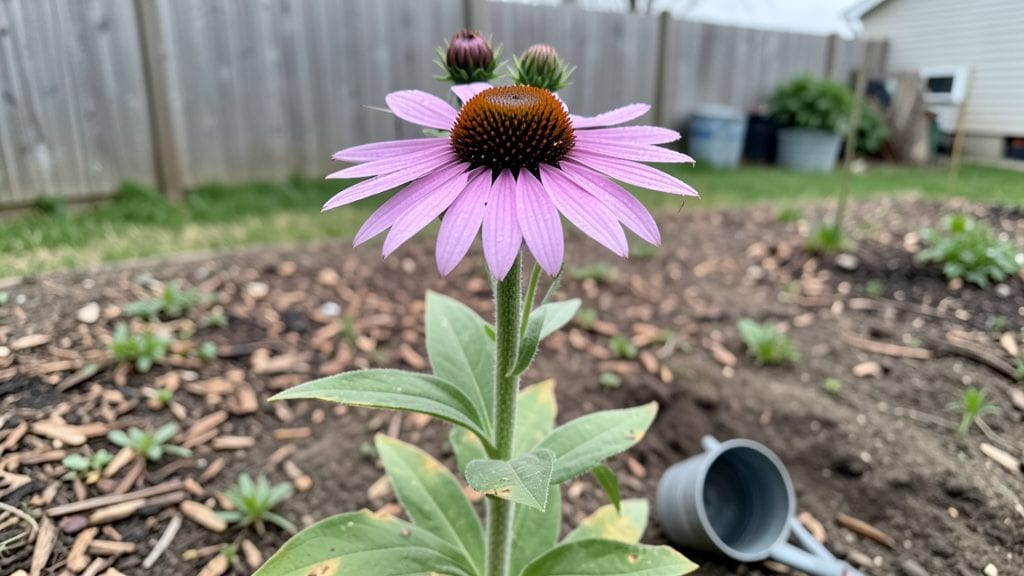
Summer flowering perennials in Zone 5 don't just survive—they put on a show that makes your neighbors green with envy. 🌸 My first year growing coneflowers and black-eyed Susans proved that bold blooms aren't just for warmer climates.
These tough plants handle Zone 5's hot days and cool nights like champions, returning year after year with minimal fuss.
The secret lies in choosing the right varieties that thrive in our 60-85°F summers and humid springs. Plants like daylilies, bee balm, and Russian sage not only bloom reliably but also attract pollinators while requiring less water once established.
My garden's late-summer color explosion comes from planting these perennials in well-draining soil and giving them morning sun to beat the afternoon heat.
You'll end up with a garden that stays vibrant from June through September, even when other plants wilt. The deep purples of coneflowers contrast beautifully with the golden centers of black-eyed Susans, while fragrant bee balm adds a touch of sweetness.
These perennials also handle our Zone 5 pests better than annuals, cutting down on chemical treatments.
Whether you're filling in gaps in your border or creating a pollinator-friendly meadow, these perennials deliver low-maintenance beauty that keeps coming back. The best part? They multiply over time, giving you free plants to share with friends—or just move around your own garden.
📚 In This Guide
- What you need
- Instructions
- Tips and common mistakes
- Wrapping up and next steps
What you need
- ● Summer-flowering perennials (Zone 5 hardy): Coneflower (Echinacea) – 3-5 plants
- ● Black-eyed Susan (Rudbeckia) – 3-5 plants
- ● Daylily (Hemerocallis) – 3-5 plants
- ● Bee balm (Monarda) – 3 plants
- ● Shasta daisy (Leucanthemum) – 3-5 plants
- ● Russian sage (Perovskia) – 1-3 plants
- ● High-quality potting soil or garden soil: 1-2 bags (1-2 cubic feet each)
- ● Organic compost: 1 bag (to enrich soil)
- ● Slow-release fertilizer (10-10-10 or similar): 1 small bag
- ● Garden trowel (for planting small perennials)
- ● Garden fork or spade (for amending soil)
- ● Pruners or shears (for trimming dead foliage)
- ● Watering can or hose with a gentle spray nozzle
- ● Gloves (to protect your hands)
- ● Measuring tape or ruler (for spacing plants correctly)
- ● Mulch (straw or shredded bark): 1-2 bags (to retain moisture)
- ● Plant markers or stakes (to label and support plants)
- ● Organic mulch rings (to protect young plants)
- ● Compost tea or liquid fertilizer (for extra nutrients)
- ● Garden kneeler or stool (for comfort while planting)
Step-by-Step guide for planting summer flowering perennials in Zone 5
Here’s how to establish a vibrant perennial garden that blooms reliably each summer, even in cooler climates.
🌱 Step 1: Select the Right Perennials for Zone 5
Zone 5’s short growing season demands perennials that tolerate cooler temperatures and still deliver bold summer color. I focus on daylilies, coneflowers, black-eyed Susans, and Russian sage—they thrive in full sun to partial shade and handle our hot summers and cool springs. Avoid tropical perennials like cannas or hibiscus; they won’t survive our winters.
Check each plant’s mature size to plan spacing. For example, daylilies need 18-24 inches apart, while Russian sage can stretch 3-5 feet wide. Sketch a rough layout on paper first—this prevents overcrowding and ensures every plant gets the light it needs.
☀️ Step 2: Prepare the Planting Site for Summer Success
Perennials in Zone 5 need well-draining soil to prevent root rot during our wet springs and hot summers. Test your soil’s drainage by digging a 6-inch hole, filling it with water, and timing how long it takes to drain. If it takes longer than 4 hours, amend the soil with 2-3 inches of compost and a 1-inch layer of coarse sand or perlite before planting.
Most summer perennials prefer full sun (6+ hours daily), but shade-tolerant options like columbine or astilbe work well in dappled light. Mark your garden beds with stakes or spray paint to visualize plant placement before digging—this saves time and reduces transplant shock.
🪴 Step 3: Plant Perennials at the Right Depth and Spacing
Dig holes twice as wide as the root ball but only as deep as the container’s base. This encourages roots to spread horizontally rather than settling too deep. Gently remove plants from their containers and loosen any circling roots with your fingers—never pull or force them, or you’ll damage the root system.
Space plants according to their mature size, leaving 6-12 inches between small perennials and 24-36 inches for larger varieties. Fill the hole with soil, pressing lightly to eliminate air pockets, then water deeply to settle the roots. A 1-inch layer of mulch (like shredded bark) helps retain moisture and regulate soil temperature.
💧 Step 4: Water and Fertilize for First-Year Establishment
New perennials need consistent moisture during their first growing season to establish strong roots. Water deeply 2-3 times per week until the soil is 6 inches deep and damp—use a soil probe or your finger to check. Avoid overhead watering, which can spread fungal diseases; instead, water at the base of the plant in the morning to reduce evaporation.
Apply a balanced, slow-release fertilizer (10-10-10) at planting time, then again in early summer. Over-fertilizing leads to lush foliage but fewer blooms—less is more for perennials. Once established, most perennials need little extra fertilizer, as their roots will tap into the soil’s natural nutrients.
✂️ Step 5: Maintain for Long-Term Blooms and Health
Deadhead spent blooms regularly to encourage more flowers and prevent self-seeding (unless you want volunteer plants). For perennials like coneflowers or black-eyed Susans, cut back brown stems in early spring but leave last year’s seed heads for winter interest and wildlife habitat.
Divide crowded perennials every 3-4 years in early spring or fall to rejuvenate growth. Dig up clumps, separate the roots, and replant sections in fresh soil. This prevents disease and ensures vigorous blooms for years to come.
Tips & tricks for perfect summer perennial planting in Zone 5
These tried-and-true strategies will help your Zone 5 perennials thrive and deliver stunning summer blooms year after year.
Soil Preparation Secret: The 4-hour drainage test in Step 2 is your best friend for preventing root rot. If your soil drains too slowly, mix in coarse sand or perlite—this creates tiny air pockets that roots love. I've found that adding 1 part perlite to 3 parts compost gives the perfect balance of drainage and moisture retention for Zone 5 summers.
Planting Layout Pro Tip: Before digging, sketch your garden layout to scale on graph paper. This isn't just about aesthetics—it prevents overcrowding that leads to poor airflow and disease. I mark each perennial's mature size with colored pencils to visualize how they'll interact as they grow. For example, place taller varieties like Russian sage at the back of borders to avoid shading smaller plants.
Watering Wisdom: Those first-year roots need consistent moisture, but timing matters just as much as quantity. Water in the early morning to reduce evaporation and fungal risks. I set a timer for every 3-4 days during summer's heat, checking that water penetrates 6 inches deep—this encourages roots to grow downward where they'll find lasting moisture.
Fertilizer Strategy: The balanced 10-10-10 fertilizer at planting and early summer is perfect, but here's the trick: half the recommended dose is often enough for Zone 5 perennials. Too much nitrogen creates leafy growth at the expense of blooms. I've seen gardeners double their fertilizer amounts only to end up with lush foliage and almost no flowers—don't make that mistake!
Pro Tips for Summer Flowering Perennials Zone 5
- These tried-and-true strategies will help your Zone 5 perennials thrive and deliver stunning summer blooms year after year.
- Soil Preparation Secret: The 4-hour drainage test in Step 2 is your best friend for preventing root rot.
- Planting Layout Pro Tip: Before digging, sketch your garden layout to scale on graph paper.
Frequently asked questions
Got questions about keeping your Zone 5 garden vibrant all summer?
Here are answers to the most common ones—so you can plant with confidence and enjoy those bold blooms year after year!
Which summer perennials handle Zone 5’s heat and humidity best?
Look for heat-tolerant picks like black-eyed Susans, coneflowers, or bee balm. These thrive in Zone 5’s summer swings (60°F–90°F) and even bounce back from occasional drought. Pro tip: Mulch heavily to retain moisture!
When is the best time to plant summer perennials in Zone 5?
Plant after the last frost (mid-to-late May for most of Zone 5) but before July—this gives roots time to establish before winter. For fall-bloomers like sedum, wait until early September for strong root growth before cold sets in.
Why aren’t my Zone 5 perennials blooming like they should?
Common culprits:
- Overcrowding (divide clumps every 3–4 years).
- Poor soil (amend with compost for nutrients).
- Deadheading delays (snip spent blooms to encourage more flowers).
- Too much shade (most summer perennials need 6+ hours of sun).
Are there low-maintenance summer perennials for busy gardeners?
Try Russian sage (drought-proof, deer-resistant), daylilies (tough as nails), or catmint (self-cleaning and pollinator-magnet). These need minimal fuss—just water occasionally and enjoy the show!
Can I replace annuals with perennials in my summer garden?
Yes! Swap out impatiens or petunias for perennials like coreopsis or shasta daisies. They’ll return year after year, saving you time and money. Bonus: Perennials often bloom longer than annuals in Zone 5’s cool summers.
Still stumped? Drop your question in the comments—we’re happy to help your garden bloom brighter!
Wrapping up and next steps
Choosing the right summer flowering perennials for Zone 5 means bringing vibrant color and life to your garden—even in cooler climates! From hardy coneflowers to cheerful black-eyed Susans, these plants prove that bold blooms are absolutely possible with the right care.
Now that you’re armed with planting tips and troubleshooting advice, it’s time to roll up your sleeves and get growing!
Start by sketching a simple garden layout or selecting a sunny spot to plant your favorites. Pro tip: Add mulch and water consistently to help your perennials establish strong roots before winter arrives. Happy gardening—your future summer blooms will thank you! 🌸🌿