
Flowers
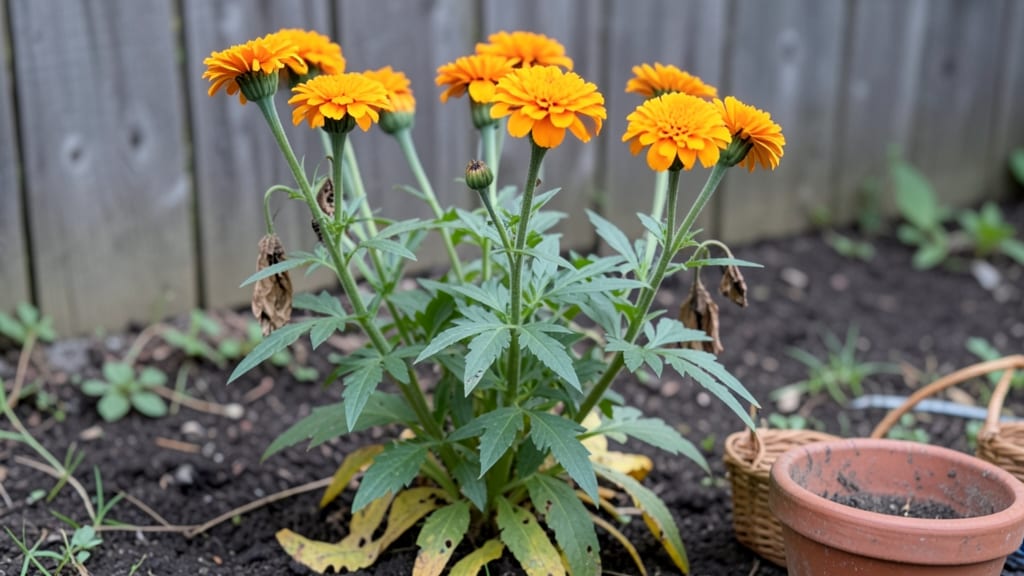
Transform your autumn garden into a luminous tribute with Mexican flower Day of the Dead blooms that light up altars and borders. 🌼 The fiery orange cempasúchil marigolds and deep red celosia aren't just plants—they're the heart of Día de los Muertos, guiding spirits home with their vibrant hues and intoxicating scent.
My first year growing them, I learned how their bold colors create a pathway of warmth even in November's chill.
These flowers thrive in full sun and well-draining soil, making them perfect for fall planting. You'll need just a handful of plants—marigolds for their golden glow and celosia for their striking plumes—to create an impactful display.
The secret? Plant them in clusters of three or five for natural groupings that feel intentional, not random. Their drought tolerance means less fuss once established, so they're ideal for busy gardeners honoring tradition.
Imagine your altar bathed in golden light from marigold petals scattered like confetti, their scent mingling with cinnamon and copal. The deep reds of celosia add contrast, creating visual depth that draws the eye.
These flowers don't just look beautiful—they carry meaning, their colors symbolizing life's journey and the connection between worlds. By late October, your garden will hum with cultural significance and seasonal splendor.
Whether you're creating a full altar display or simply adding seasonal interest to borders, these flowers adapt beautifully. Pair them with dahlias for extra drama or keep it simple with just marigolds and celosia for a classic look.
The key is letting their natural forms shine—no need for over-pruning. Your garden will become a living tribute that honors tradition while celebrating your own green thumb.
📚 In This Guide
- What you need
- Instructions
- Tips and common mistakes
- Wrapping up and next steps
What you need
- ● Marigolds (Cempasúchil) – At least 10-15 stems (gold, orange, or deep red for vibrant colors). Opt for fresh-cut flowers or live plants for a longer-lasting display.
- ● Celosia (Quetzalxóchitl) – 3-5 stems (bright red, pink, or yellow for contrast). Choose plump, upright blooms for a bold look.
- ○ Other Mexican flowers (optional but traditional): Dahlias (🌺 2-3 stems)
- ● Zinnias (🌻 4-6 stems)
- ● Sunflowers (🌻 1-2 stems)
- ● Floral arrangements – 1-2 small to medium-sized bouquets (or loose stems for DIY clusters). Use thick, sturdy stems for durability.
- ● Floral tape or wire – 1 roll (to secure stems and create shapes like papel picado or flor de muerto designs).
- ● Scissors or floral shears – 1 pair (for clean cuts).
- ● Vase or container – 1-2 shallow, wide-mouthed vases (ceramic or glass, 6-8 inches wide for a low, spread-out look).
- ● Water – Enough to fill vases halfway (add flower food to extend freshness).
- ● Altar base – 1 table, shelf, or platform (wooden or cloth-covered for a rustic touch).
- ● Decorative elements (for context): Candles (🕯️ 2-4)
- ● Sugar skulls (💀 1-2)
- ● Photos of loved ones (📸 2-3 frames)
- ● Salt, bread, and fruit (🍎🍌 small bowls)
- ● Floral foam – 1 block (for DIY arrangements or securing flowers to bases).
- ● Ribbon or lace – 1-2 yards (for wrapping stems or adding elegance).
- ● Dried flowers – Small bundles (to mix with fresh blooms for texture).
- ● Spray adhesive – 1 can (for attaching flowers to papel picado or fabric).
- ● Essential oils – 1-2 drops of citrus or vanilla (to lightly scent the altar).
Step-by-Step guide to growing Mexican Day of the Dead flowers
Bring the spirit of Día de los Muertos to life with these bold blooms—marigolds and celosia thrive when you follow these simple steps.
🌱 Step 1: Select and Prepare Your Seeds
Start with French marigold seeds for their bright orange hue and celosia seeds for their flame-like petals—both symbolize the sun and guide spirits home. Plant marigolds 6-8 weeks before your first frost for full-season blooms, while celosia germinates faster and can be sown 4-6 weeks earlier.
Soak seeds overnight in lukewarm water to soften their tough outer shells. This trick speeds germination and ensures stronger seedlings. Use a seed-starting tray with individual cells to avoid overcrowding—marigolds and celosia both dislike being transplanted later.
💧 Step 2: Sow Seeds in Well-Draining Soil
Fill the trays with a mix of 50% potting soil and 50% perlite to prevent root rot. Marigolds need full sun to germinate, so place the tray in a warm, sunny spot or under a grow light set to 14-16 hours daily. Keep the soil moist but not soggy—a spray bottle works best to avoid disturbing seeds.
Cover the tray with plastic wrap to retain warmth and humidity, then remove it once sprouts appear in 7-10 days. You’ll know germination is working when tiny green leaves push through the soil—this is your cue to uncover the tray permanently and move it to a brighter location.
☀️ Step 3: Harden Off and Transplant
After 4-6 weeks, when seedlings have 3-4 true leaves, it’s time to harden them off. Start by placing them outside in a shaded area for 1-2 hours daily, gradually increasing exposure over 7-10 days. This prepares them for the garden’s harsher conditions and prevents shock.
Choose a sunny spot in your garden with well-draining soil—marigolds and celosia hate soggy roots. Space marigolds 12-18 inches apart and celosia 10-12 inches apart. Water deeply after transplanting to help roots establish, and mulch with straw or shredded leaves to retain moisture.
✂️ Step 4: Care for Blooms Through the Season
Marigolds and celosia love full sun and regular watering, but avoid overhead watering to prevent fungal diseases. Deadhead spent blooms weekly to encourage more flowers—this is how you keep your altar vibrant all season. Fertilize lightly with a balanced 10-10-10 formula every 4-6 weeks to support steady growth.
Watch for pests like aphids or spider mites, which love celosia’s tender leaves. A strong spray of water usually washes them away, but neem oil works too if infestations persist. By late October, your plants will be in full bloom—perfect for cutting and arranging on your Día de los Muertos altar.
Tips & tricks for perfect Mexican Day of the Dead flowers
Here's what I've learned after growing these vibrant blooms for Día de los Muertos—these simple tricks will help your marigolds and celosia thrive and stay true to tradition.
Seed Selection: For the most authentic look, choose French marigold seeds specifically—their deep orange hue is iconic for altars. If you want extra drama, mix in Mexican sunflower seeds (also called tithonia) for their fiery red blooms. Just be sure to check each plant's specific frost dates, as they vary slightly.
Germination Hack: After soaking your seeds overnight in lukewarm water, place the tray in a clear plastic bag instead of just plastic wrap. This creates a mini greenhouse effect that speeds germination to 5-7 days instead of the 7-10 days mentioned. Just poke a few holes for airflow!
Transplanting Tip: When hardening off your seedlings in Step 3, start with 1 hour daily instead of 1-2 hours. This gradual approach prevents shock—especially for celosia, which is more sensitive. Watch for wilting as your guide; if leaves droop, they need more time in the shade.
Cultural Care: In traditional Mexican gardens, these flowers are often planted near sage and rosemary to repel pests naturally. You can mimic this by planting a small patch of these herbs nearby. Plus, the fragrant combination enhances the altar's spiritual ambiance when the flowers are cut.
Pro Tips for Mexican Flower Day Of The Dead
- Here's what I've learned after growing these vibrant blooms for Día de los Muertos—these simple tricks will help your marigolds and celosia thrive and stay true to tradition.
- Seed Selection: For the most authentic look, choose French marigold seeds specifically—their deep orange hue is iconic for altars.
- Germination Hack: After soaking your seeds overnight in lukewarm water, place the tray in a clear plastic bag instead of just plastic wrap.
Frequently asked questions
Got questions about incorporating Mexican flowers into your Día de los Muertos celebrations? Here are some answers to help you plan with confidence!
What are the most important Mexican flowers for Day of the Dead?
The stars of the show are marigolds (cempasúchil)—their bright orange and yellow hues symbolize the sun’s path to guide spirits home. Celosia (quetzalxóchitl) and daisies (cempasúchil blanco) also play key roles, adding texture and meaning to altars. Look for these in local Latin markets or specialty flower shops!
When should I start setting up my altar with flowers?
Traditionally, altars are built on October 31st (Día de los Inocentes) for children and November 1st–2nd (Día de los Muertos) for adults. Start assembling flowers 1–2 weeks before to allow time for arrangements to dry or wilt naturally—this adds to the ritual’s authenticity!
Can I use silk or dried flowers instead of fresh ones?
Many families opt for dried marigolds or silk flowers to avoid wilting during the two-day celebration. Dried petals also release a subtle, earthy fragrance that enhances the spiritual atmosphere. Just ensure they’re pesticide-free for a respectful touch.
How do I keep marigolds fresh longer for my altar?
Trim stems at an angle, place them in cool water (not ice-cold), and change it daily. Add a sugar cube or flower food to extend their life. For dried flowers, store them in a paper bag away from sunlight to preserve color and scent.
What if I can’t find authentic Mexican flowers locally?
No worries! Use local orange/yellow flowers (like sunflowers or African marigolds) as substitutes. Pair them with purple statice or red celosia for a similar vibrancy. The key is intention—focus on creating a warm, welcoming space for remembrance.
Wrapping up and next steps
The Mexican Day of the Dead is a celebration of life, love, and memory—where vibrant flowers like marigolds and celosia become the heart of your altar. These blooms aren’t just decorations; they’re a bridge between the living and their departed loved ones, filled with meaning and tradition.
Whether you’re crafting your first altar or adding new touches, your effort will honor heritage and create a space of warmth and reflection.
Ready to bring this magic to life? Start small—gather flowers, gather stories, and let your altar bloom with intention. 🌼✨ What will you include to make it uniquely yours?