
Flowers
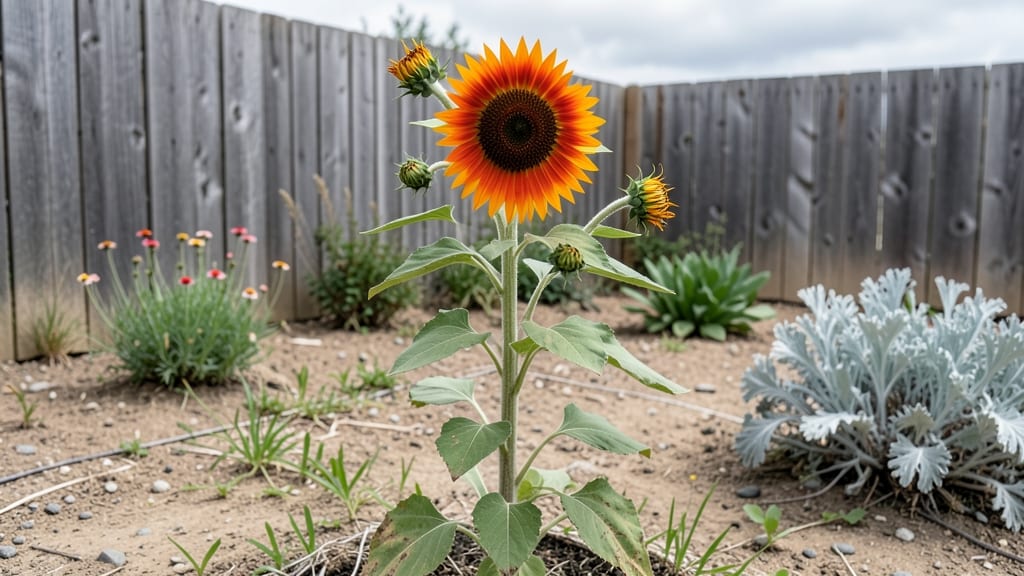
Mexican sunflowers (Tithonia rotundifolia) and other Mexican native flowers bring bold color and pollinator power to Pacific Northwest gardens—they thrive where others freeze. 🌻 Their drought tolerance and late-season blooms make them a game-changer for frost-prone climates, offering the tropical vibrancy of Mexico without the heat.
These plants aren’t just pretty—they’re hardworking. Mexican sunflowers attract bees, butterflies, and hummingbirds, while companions like blanket flower and purple sage create a layered, textured look. Pair their fiery oranges with deep purples and silvery foliage for a desert-meets-garden aesthetic that feels exotic yet effortless.
By midsummer, your garden will burst with 3-4 foot stalks of sunflowers nodding in the breeze, their papery petals catching the light. The cultural significance runs deep too—these flowers symbolize resilience, much like the gardens they adorn. Perfect for borders, wildflower meadows, or even container gardens.
Let’s design a space that blooms late, attracts pollinators, and stands up to Northwest winters.
📚 In This Guide
- What you need
- Instructions
- Tips and common mistakes
- Wrapping up and next steps
What you need
- ● Seeds or young plants: Mexican sunflower seeds (5–10 seeds per plant, or pre-started seedlings from a nursery)
- ○ Optional: Other Mexican flowers like Mexican bush sage (Salvia leucantha) or blanket flower (Gaillardia) for pollinator diversity
- ● Soil: Well-draining potting mix or garden soil (amend with compost for better fertility)
- ○ Optional: Perlite or sand (10–20% mix) for improved drainage in heavy PNW soils
- ● Containers or garden space: For containers: 12–18" pots (1–2 plants per pot) with drainage holes
- ● For in-ground: Full sun (6+ hours daily) and space for plants to reach 3–5 ft tall
- ● Planting tools: Trowel or small shovel
- ○ Gloves (optional, but handy for handling soil)
- ● Watering supplies: Watering can or hose with a gentle spray nozzle
- ○ Drip irrigation kit (optional, for consistent moisture)
- ● Frost protection (PNW-specific!):strong> Row covers or frost cloth (lightweight, for early/late seasons)
- ● Mulch (straw or shredded leaves) to insulate roots
- ● Fertilizer: Balanced, slow-release fertilizer (10-10-10 or similar) or organic options like compost tea
- ● Pruning shears: For deadheading spent blooms (encourages more flowers!)
- ● Native PNW companion plants (e.g., yarrow or bee balm) to attract even more pollinators
- ● Bird feeders or nesting boxes (Mexican sunflowers are a bird magnet!)
- ● Decorative stakes or trellises (if growing near pathways for easy access)
Step-by-Step guide to growing frost-resistant Mexican sunflowers in the Pacific Northwest
Here's how to cultivate these vibrant pollinator magnets that thrive in cooler climates.
🌱 Step 1: Choose the Right Location and Prepare the Soil
Mexican sunflowers (Tithonia rotundifolia) love full sun but tolerate partial shade in hotter regions. In the Pacific Northwest, select a spot with at least 6 hours of direct sunlight daily, though they'll handle 4 hours if shaded in afternoon. I always test the soil first—these plants prefer well-draining, slightly acidic to neutral soil with a pH between 6.0-7.5.
Loosen the top 12 inches of soil with a garden fork to improve aeration. Amend heavy clay soil with 2-3 inches of compost to prevent waterlogging, which these tropical natives hate. I like to work in a handful of perlite for extra drainage—it mimics their natural rocky soil conditions.
🌿 Step 2: Plant Seeds or Transplants at the Right Time
Direct-sow seeds after your last frost date when soil temperatures reach 60°F. In the Pacific Northwest, this is typically mid-May. Plant seeds ¼ inch deep and 12-18 inches apart—they grow large and need space. I always plant in clusters of 3-5 for dramatic effect, spacing clusters 3 feet apart.
For transplants, harden off seedlings for 7-10 days before planting. Watch for first true leaves to appear—this is your signal they're ready. Plant at the same depth as their nursery container and water deeply immediately after transplanting to settle the soil around roots.
☀️ Step 3: Water Deeply and Maintain Consistent Moisture
Mexican sunflowers are drought-tolerant once established, but young plants need consistent moisture. Water 1-2 inches per week, keeping soil evenly moist but not soggy. I check by sticking my finger 2 inches deep—if it feels dry, it's time to water. Overwatering causes root rot, so always let the top inch dry between waterings.
Mulch with 2-3 inches of organic mulch to retain moisture and regulate soil temperature. I use shredded bark mulch because it breaks down slowly and improves soil structure over time. Avoid piling mulch against stems—keep it 2 inches away to prevent rot.
✂️ Step 4: Fertilize Lightly and Prune for Bushier Growth
These sunflowers are light feeders. Apply a balanced 10-10-10 fertilizer at planting time, then side-dress with ½ cup compost in early summer. Too much nitrogen produces leafy growth at the expense of flowers. I skip fertilizer after mid-July to encourage blooming through fall.
Pinch back the tips of young plants when they reach 12 inches tall to promote bushier growth. Remove any leggy stems that develop—this encourages a fuller, more compact plant. Deadhead spent blooms to extend the flowering season, but leave some seed heads for pollinators and next year's garden.
🌿 Step 5: Protect from Late Frost and Enjoy the Pollinators
While Mexican sunflowers are frost-tolerant, young plants may suffer damage from late frosts. Cover tender new growth with frost cloth if temperatures dip below 30°F. Mature plants handle frost better but may lose lower leaves. The good news? They bounce back quickly.
These sunflowers are a pollinator magnet—you'll see bees, butterflies, and hummingbirds flocking to them. I always plant them near other pollinator favorites like coneflowers and bee balm. Harvest seed heads in fall for next year's garden or let them self-seed naturally—they're aggressive spreaders in ideal conditions.
Tips & tricks for perfect Mexican sunflower cultivation
Here's what I've learned from growing these stunning pollinator favorites in the Pacific Northwest's unique climate.
Sunlight Strategy: While the instructions recommend 6 hours of sun daily, I've found that positioning your sunflowers to catch morning sun (which is strongest in our region) and afternoon shade actually extends their bloom time. In Step 1, look for spots that get sun until 3-4 PM—this prevents the leaves from scorching while still giving them enough light to thrive. The 4-hour minimum works for survival, but you'll get far more vibrant blooms with that extra sunlight.
Soil Test Tip: Before amending your soil in Step 1, grab a soil test kit from your local garden center—it's only about $10 and gives you precise pH readings. Mexican sunflowers prefer 6.0-7.5 pH, but our Pacific Northwest soils often run more acidic. If your test shows pH below 6.0, add pelletized lime according to package instructions before planting. This small step makes all the difference in root development.
Transplant Timing: When hardening off seedlings in Step 2, I've discovered a little trick that prevents transplant shock: start the hardening process 3 days earlier than the recommended 7-10 days. Begin with just 1 hour of outdoor exposure on day 1, then gradually increase. By the time you're ready to plant, your seedlings will already be accustomed to our cooler Pacific Northwest winds and temperature swings. Watch for those first true leaves—they're your green light to proceed.
Watering Hack: The 1-2 inches per week guideline in Step 3 works perfectly, but here's how to make it foolproof: install a simple rain gauge near your planting area. After each watering, check the gauge—you want to deliver water equivalent to 1-2 inches of rainfall. For container-grown sunflowers, water until you see drainage from the bottom, then wait until the top 1 inch of soil feels dry before watering again. This method prevents both underwatering and the dreaded root rot from overwatering.
Pro Tips for Mexican Sunflower Mexican Flowers
- Here's what I've learned from growing these stunning pollinator favorites in the Pacific Northwest's unique climate.
- In Step 1, look for spots that get sun until 3-4 PM—this prevents the leaves from scorching while still giving them enough light to thrive.
- Soil Test Tip: Before amending your soil in Step 1, grab a soil test kit from your local garden center—it's only about $10 and gives you precise pH readings.
Frequently asked questions
Can Mexican sunflowers survive PNW winters?
While Mexican sunflowers are annuals and won’t survive freezing temps, their frost-resistant roots (if planted in containers) can sometimes regrow in spring if protected with mulch or row covers. For perennial options, try Mexican bush sage (Salvia leucantha) or firecracker penstemon (Penstemon eatonii), which handle PNW winters better.
When is the best time to plant Mexican sunflowers in the PNW?
Plant Mexican sunflowers after the last frost (typically late April to early June in the PNW). For a longer bloom season, start seeds indoors 6–8 weeks before the last frost or buy young plants from nurseries. They thrive in full sun (6+ hours/day) and well-draining soil—ideal for late-summer color when many flowers fade.
Are Mexican sunflowers good for pollinators in rainy climates?
Absolutely!
These sunflowers are pollinator magnets, attracting bees, butterflies, and hummingbirds—even in mild PNW rains. Their long-lasting blooms (July–frost) provide nectar when other flowers wilt. Pair them with Mexican gold poppies (Eschscholzia mexicana) for a drought-tolerant, pollinator-packed combo that handles occasional wet spells.
Why aren’t my Mexican sunflowers blooming?
If your sunflowers are leafy but not flowering, check these fixes:
- Not enough sun: Move to a sunnier spot (they need 6+ hours/day).
- Over-fertilizing: Too much nitrogen = foliage over flowers. Use a low-nitrogen, high-phosphorus fertilizer instead.
- Overcrowding: Thin plants to 12–18 inches apart for better airflow and blooms.
- Late planting: They need 60–70 days to bloom—plant by mid-July at the latest for fall color.
What are some frost-hardy Mexican flowers for PNW gardens?
If you want perennial Mexican flowers that handle PNW winters (down to 10°F), try:
Flower
Hardiness
Bloom Time
Mexican bush sage (Salvia leucantha)
Zones 7–11 (with mulch)
Late summer–fall
Firecracker penstemon (Penstemon eatonii)
Zones 5–9
Spring–summer
Mexican feather grass (Nassella tenuissima)
Zones 6–10
Year-round texture
Desert marigold (Baileya multiradiata)
Zones 8–11 (annual in PNW)
Summer–fall
For true perennials, pair these with sage, lavender, or PNW natives like Oregon grape for a low-maintenance, pollinator-friendly garden.
Wrapping up and next steps
The Mexican sunflower and other frost-resistant Mexican flowers are more than just stunning additions to your Pacific Northwest garden—they’re vibrant lifelines for pollinators and low-maintenance champions for gardeners. 🌸 Their hardy nature and bold beauty make them a win-win for both your green thumb and local ecosystems.
Ready to transform your space? Start by picking one of these resilient blooms, gather your supplies, and plant with confidence. Your garden—and the bees—will thank you! 🐝✨