
Pruning
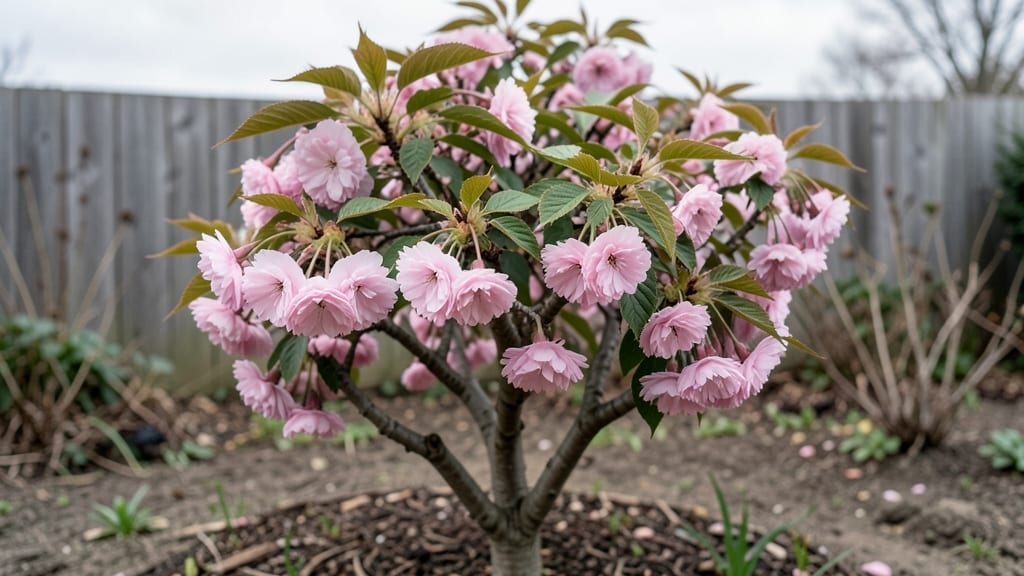
A miniature flowering cherry tree transforms any Pacific Northwest garden into a living watercolor painting, with delicate blossoms that dance in spring breezes and fiery foliage that lingers through fall.
I planted mine last year near the patio, and now it’s the first thing guests notice—its branches heavy with pink and white blooms that smell like spring in a bottle.
The secret isn’t just the tree itself, but how it anchors the space, drawing the eye upward while keeping the footprint small enough for even tight yards.
This isn’t about sacrificing drama for space—it’s about layering color and texture in ways that feel intentional, not crowded.
Pair it with low-growing perennials like heuchera or ajuga to frame its base, and let it stand alone as a year-round focal point when surrounded by evergreens like boxwood or dwarf holly.
The key is balance: let the tree’s spring blooms shine, then shift to its summer foliage and autumn hues without competing plants stealing the show.
What you’ll love most is how it elevates every season—spring’s blossoms, summer’s lush green, fall’s fiery leaves, and winter’s bare branches against snow.
The tree’s compact size (typically 10–15 feet tall) makes it perfect for small-space landscaping, whether you’re lining a walkway, framing a doorway, or adding height to a balcony garden. It’s the kind of plant that makes neighbors stop and ask, “What’s that?”—then spend minutes admiring it.
For best results, plant it where it gets full sun to partial shade and prune lightly after blooming to maintain its shape. The Pacific Northwest’s mild winters mean it thrives with minimal fuss, rewarding you with decades of color with almost no effort.
Ready to make your garden the envy of the block? Let’s get planting.
📚 In This Guide
- What you need
- Instructions
- Tips and common mistakes
- Wrapping up and next steps
What you need
- ● Miniature flowering cherry tree (dwarf variety, 6–10 ft mature height, e.g., Prunus serrulata 'Kanzan' or 'Snow Fence')
- ● High-quality potting soil (well-draining, 5–10 gallons, depending on pot size)
- ● Container or planting area: For containers: 15–20 gallon pot with drainage holes (if planting in a pot)
- ● For ground planting: Hole twice as wide as the root ball + 1–2 inches deeper
- ● Organic mulch (2–3 inches of shredded bark or wood chips)
- ● Slow-release fertilizer (balanced 10-10-10 or cherry-tree-specific formula)
- ● Pruning shears (bypass pruners, sharp and sterilized)
- ● Hand pruners or loppers (for thicker branches, if needed)
- ● Gloves (gardening gloves to protect hands)
- ● Trowel or spade (for digging)
- ● Watering can or hose (with a gentle spray nozzle)
- ● Rake or hoe (for ground prep)
- ● Pruning sealant (to prevent disease on cut branches)
- ● Tree stake (if planting in windy areas)
- ● Mulch ring (to keep mulch contained)
- ● pH testing kit (to check soil acidity, ideal: 6.0–6.5)
- ● Slow-release watering granules (for drought-prone areas)
Step-by-Step guide to planting a miniature flowering cherry tree
Here’s how to establish your Pacific Northwest beauty with minimal fuss.
Choose the Perfect Planting Site
Miniature flowering cherry trees thrive in full sun to partial shade, with at least 6 hours of direct sunlight daily. In the Pacific Northwest’s mild climate, a spot near your home’s south or west side works best—just avoid areas where cold air pools, like low spots or near buildings. The tree’s delicate roots need well-draining soil, so test your spot by digging a 12-inch hole and checking for standing water after a rain.
If your soil feels heavy or clay-like, mix in 2-3 inches of compost into the bottom of the hole. This improves drainage without overwhelming the tree’s small root system. I always dig the hole twice as wide as the root ball—this prevents root circling, a common issue with dwarf trees.
Prepare the Tree and Plant Correctly
Remove the tree from its container and gently loosen the roots if they’re circling. You’ll see this when roots wrap tightly around the root ball—use your fingers to tease them apart. Place the tree in the hole so the top of the root ball sits 1-2 inches above ground level. Pacific Northwest winters can bring heavy rains, and burying the graft union too deep risks rot.
Backfill with the native soil you removed, tamping lightly every 2 inches to eliminate air pockets. Water deeply to settle the soil, then add a 2-inch layer of mulch around the base, keeping it 3 inches away from the trunk. Too much mulch suffocates the roots, while too little leaves them exposed to temperature swings.
Water and Support for the First Critical Months
Water the tree immediately after planting, then again every 2-3 days until new growth appears. You’ll know it’s hydrated enough when the top 6 inches of soil feel moist but not soggy. Overwatering in the Pacific Northwest’s damp climate is just as harmful as underwatering—root rot sets in quickly. Use a soaker hose to deliver water slowly at the base, avoiding wet foliage.
Stake the tree if it’s top-heavy or in a windy location. Use two stakes on opposite sides of the trunk, tied loosely with soft fabric strips. Check the ties weekly—they should allow the tree to sway slightly in the breeze. This prevents trunk damage while letting the roots stabilize naturally.
Prune and Feed for Year-Round Beauty
Prune in late winter or early spring before buds swell, removing any dead, crossing, or weak branches with clean cuts just above a bud. This encourages an open, airy structure that showcases the blooms. For miniature varieties, I never cut more than 20% of the canopy at once—aggressive pruning stresses these delicate trees.
Fertilize in early spring with a balanced, slow-release fertilizer (10-10-10 ratio). Scatter the granules evenly under the drip line, then water deeply. Avoid high-nitrogen fertilizers—they promote leafy growth at the expense of flowers. In the Pacific Northwest, a single spring feeding is usually enough, but container-grown trees may need a light summer feeding if they look stressed.
Winter Care for Next Year’s Blooms
Mulch again in late fall with 3-4 inches of organic mulch, extending the ring slightly wider than last year. This insulates roots from temperature swings while retaining moisture. In mild Pacific Northwest winters, most miniature cherries don’t need extra protection, but a burlap wrap around the trunk can shield young trees from harsh winds.
Prune again in late winter to remove any winter-damaged branches. You’ll spot these as brown, brittle stems that snap easily. Resist the urge to prune for shape now—wait until spring when you can see the tree’s natural structure. A well-cared-for miniature cherry will reward you with blooms for decades, even in the damp Pacific Northwest climate.
Tips & tricks for perfect miniature flowering cherry tree planting
These simple yet game-changing strategies will help your miniature flowering cherry thrive in the Pacific Northwest's unique climate.
Site Selection Wisdom: When choosing your planting spot, prioritize locations with that critical 6 hours of direct sunlight—but don't overlook microclimates. South or west-facing walls can provide extra warmth, while protected areas shield from harsh winter winds. I've noticed that spots near driveways or patios often get more consistent sunlight than shaded garden corners, even if they're technically in the same yard.
Root Care Strategy: The 12-inch hole you dig should be the perfect size—twice as wide as the root ball but no deeper. This creates space for roots to spread naturally without circling, which is especially important for dwarf varieties. After planting, gently press down the soil every 2 inches as you backfill to eliminate air pockets that could suffocate young roots.
Watering Mastery: That 2-3 day watering schedule in Step 3 is ideal, but remember that the Pacific Northwest's damp climate means consistency matters more than quantity. Check soil moisture by sticking your finger 2 inches deep—if it feels dry, water thoroughly. Overwatering is just as damaging as underwatering, especially with these delicate trees. A soaker hose is your best friend here, delivering water slowly at the base without wetting the foliage.
Seasonal Timing: Timing your pruning and fertilizing perfectly makes all the difference. For pruning, aim for late winter when the tree is still dormant but before buds swell—this gives you the clearest view of the tree's natural structure. When fertilizing in early spring, use that 10-10-10 ratio fertilizer sparingly; these miniature trees don't need much to thrive, and too much can actually reduce flowering.
Pro Tips for Miniature Flowering Cherry Tree
- These simple yet game-changing strategies will help your miniature flowering cherry thrive in the Pacific Northwest's unique climate.
- Site Selection Wisdom: When choosing your planting spot, prioritize locations with that critical 6 hours of direct sunlight—but don't overlook microclimates.
- Root Care Strategy: The 12-inch hole you dig should be the perfect size—twice as wide as the root ball but no deeper.
Frequently asked questions
Got questions about keeping your miniature flowering cherry tree thriving?
Here are answers to the most common ones—so you can enjoy year-round color without the guesswork!
How often should I prune my miniature flowering cherry tree?
Prune your tree once a year, ideally in late winter or early spring (before buds swell). Light shaping can happen in summer, but avoid heavy cuts then—it can stress the tree and reduce next year’s blooms. Focus on removing dead wood and thinning crowded branches to improve airflow.
Can a miniature flowering cherry tree survive winter in the Pacific Northwest?
These trees are hardy to USDA Zones 5-8, making them perfect for PNW winters. Just mulch the base with 2–3 inches of organic mulch (like wood chips) to protect roots. Young trees may need winter wraps if temps drop below 10°F, but mature trees usually handle frost like a champ.
Why isn’t my tree flowering as much as it should?
Less blooming often means over-pruning, poor sunlight, or nutrient deficiencies. Ensure it gets 6+ hours of sun daily and prune only 10–15% of the canopy per year. Fertilize in early spring with a balanced 10-10-10 formula to encourage vibrant blooms.
What’s a good alternative if I want a smaller, low-maintenance flowering tree?
Consider these PNW-friendly alternatives:
- Dwarf Japanese Maple – Stunning foliage, compact size (6–10 ft), and four-season interest.
- Korean Spice Viburnum – Fragrant spring blooms, red fall foliage, and deer-resistant.
- Dwarf Lilac – Classic fragrance, 3–5 ft tall, and easy to prune.
Are miniature flowering cherry trees pest-prone?
They’re generally low-maintenance, but watch for aphids, spider mites, or scale insects in dry summers. Spray with water to dislodge pests or use neem oil for organic control. Encourage beneficial insects (like ladybugs) by planting companion flowers nearby!
Wrapping up and next steps
A miniature flowering cherry tree brings effortless beauty to your Pacific Northwest garden, offering year-round interest with stunning blooms and manageable care. By mastering pruning techniques—like shaping in late winter and deadheading spent flowers—you’ll keep your tree thriving and vibrant.
Remember, consistency is key, and patience pays off with a tree that dazzles season after season!
Ready to transform your outdoor space? Start small: grab your tools, pick a sunny spot, and give your cherry tree the love it deserves. Your future blooms will thank you! 🌸✨