
Pruning
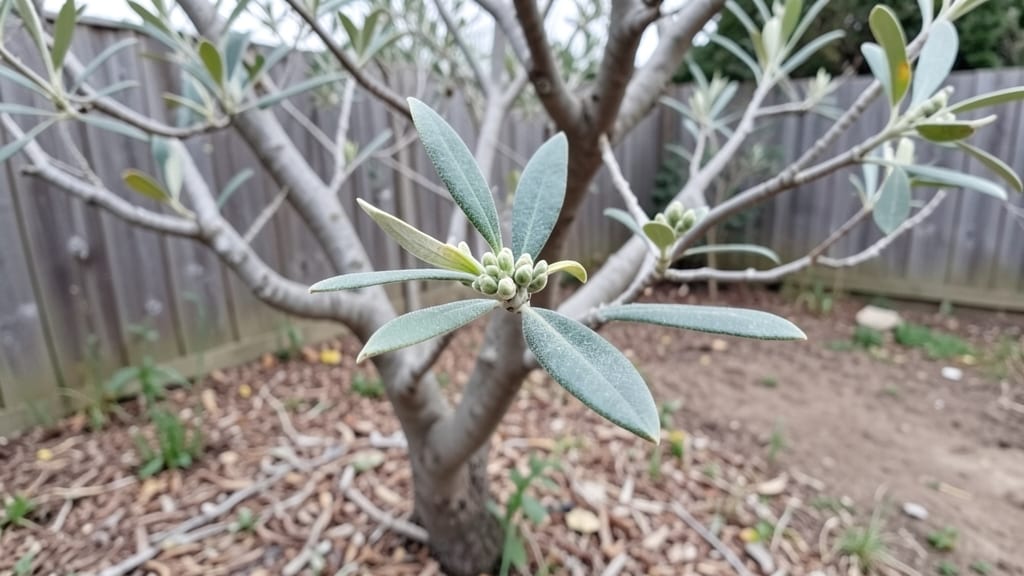
Those tiny olive tree flower buds are the secret to your tree’s future harvest—and pruning them right means more fruit next year. 🌿 I’ve spent years watching my olive tree’s buds transform from fuzzy green specks into fragrant white blossoms, and the difference between a productive tree and a struggling one often comes down to timing and technique.
The best time to prune for buds is late winter or early spring, when the tree’s dormant but about to wake up. You’ll want sharp pruners, a sunny day, and a clear goal: open the canopy to let light reach the inner branches where buds form.
Too much shade means fewer buds, and too heavy a cut can shock the tree—balance is everything.
When done right, you’ll see buds thicken along the branches by early spring, then burst into bloom by late spring or early summer. The flowers may look delicate, but they’re tougher than they appear—just protect them from late frosts, and you’ll get those signature olives by fall.
The key is patience and precision.
This method works for both container-grown and in-ground olive trees, though larger trees may need a ladder. If you’re in a colder zone, prune even more conservatively to protect the buds from winter damage. Let’s get those branches shaped for a bountiful harvest!
📚 In This Guide
- What you need
- Instructions
- Tips and common mistakes
- Wrapping up and next steps
What you need
- ● Pruning shears: Bypass pruners with sharp, stainless-steel blades (4–6 inches long). Example: Felco F-2 or Corona 1000.
- ● Loppers: For thicker branches (½–1½ inches in diameter). Opt for ratcheting or bypass loppers for precision.
- ● Hand saw: A pruning saw with curved teeth (for branches >1½ inches). Example: Fiskars X27.
- ● Disinfectant: 70% isopropyl alcohol or a 10% bleach solution (1 part bleach to 9 parts water) to sterilize tools.
- ○ Pruning sealant (optional but recommended): Tree wound dressing (e.g., Tanglefoot Tree Wound Pruning Seal) for cuts >½ inch.
- ● Gloves: Heavy-duty, cut-resistant gloves (e.g., Mechanix or leather gardening gloves).
- ● Ladder or step stool: Sturdy, non-slip (if your tree is >6 feet tall).
- ● Trash bags or bucket: For collecting pruned branches and debris.
- ● Magnifying glass: For inspecting buds and identifying olive tree flower buds (tiny, greenish-yellow clusters).
- ● Marking spray: Non-toxic paint (e.g., white or pink) to mark branches for future reference.
- ● Hose with nozzle: For rinsing tools and branches post-pruning.
- ● Notebook & pen: To sketch your tree’s structure or note pruning progress.
- ● Safety glasses: If working with large branches or near power lines.
Step-by-step pruning guide for olive tree flower buds
Here's the straightforward method I use to encourage lush blooms and healthy growth in my olive trees.
✂️ Step 1: Prune at the Right Time for Blooms
Olive trees flower best when pruned in late winter or early spring—just as new growth begins. This timing ensures you remove dead wood while encouraging fresh buds to form. Avoid pruning in fall or summer, as it can stress the tree and reduce flowering. I always wait until the last frost has passed in my area before starting.
Look for dormant branches—these are brown, leafless, or brittle to the touch. These are the ones to cut first. Healthy branches will have a greenish tint and firm texture. Use clean, sharp pruning shears to make clean cuts just above a bud or branch junction. This prevents tearing and promotes better healing.
🌿 Step 2: Remove Dead or Crowded Branches
Start by removing any dead, diseased, or crossing branches. Dead branches snap easily when bent, while healthy ones bend slightly. Crowded branches compete for sunlight and nutrients, so thin them out to allow air circulation and better light exposure. I aim to keep the center of the tree open—this prevents rot and encourages more buds to form along the outer branches.
Cut back to the nearest outward-facing bud or branch collar. This ensures the tree directs energy toward new growth rather than sealing off wounds. If a branch is thicker than ½ inch, make the cut slightly above a bud at a 45-degree angle to help water run off. For thinner branches, a straight cut is fine. Never leave stubs—they invite pests and disease.
☀️ Step 3: Shape for Sunlight and Airflow
Olive trees thrive with plenty of sunlight, so shape the tree to allow light to reach all branches. I focus on creating an open, rounded canopy by cutting back branches that grow inward or upward. This also reduces the risk of fungal issues by improving airflow. Start with the outermost branches and work your way inward.
If your tree is young, prune lightly—just enough to encourage a strong structure. For mature trees, you can be more aggressive, but never remove more than ⅓ of the foliage in one season. After pruning, step back and visualize how sunlight will hit the tree. You’ll notice buds along the outer branches start to swell within a few weeks—that’s your sign you’re on the right track.
🌱 Step 4: Encourage New Growth with Strategic Cuts
To promote flower buds, make heading cuts—these are cuts made just above a leaf or bud to encourage branching. Focus on the tips of branches where you want new growth to sprout. Avoid cutting back to old wood, as this can reduce flowering. Instead, trim just enough to redirect the tree’s energy toward new, flowering shoots.
After pruning, water the tree deeply to help it recover. Olive trees are drought-tolerant, but fresh cuts need moisture to heal properly. I usually water once a week in the first month after pruning, then taper off as new growth appears. You’ll see fresh green shoots emerging from the pruned areas within 4-6 weeks—these are your future flower buds!
⏰ Step 5: Maintain Year-Round with Light Trimming
After the initial pruning, keep your olive tree healthy with light maintenance trims throughout the year. Remove any suckers (shoots growing from the base or trunk) and stray branches that disrupt the shape. In late summer, do a light cleanup to remove any dead growth from the previous season. This keeps the tree looking tidy and encourages consistent blooming.
I also check for signs of stress, like yellowing leaves or wilting branches, and address them immediately. Olive trees are resilient, but they respond best to consistent care. With regular pruning, your tree will reward you with year-round blooms and abundant growth. Just remember: patience is key—olive trees take time to mature, but the effort is worth it for that first flush of fragrant flowers!
Tips & tricks for perfect olive tree pruning
A few simple tricks will help you transform your olive tree into a blooming beauty without the guesswork.
Timing is Everything: The late winter to early spring window is critical—this is when olive trees naturally prepare for new growth. If you're in a region with unpredictable frost, check your local frost dates and prune 2-3 weeks after the last frost. I've seen trees stressed by early pruning when buds were still dormant, so don't rush it. Look for the first signs of swelling buds as your cue to start.
Tool Tip: Your pruning shears are your most important tool, but don't overlook your hands! Use them to gently bend branches—healthy branches bend slightly, while dead ones snap. For branches thicker than ½ inch, I recommend using a pruning saw to avoid tearing the bark. Always sterilize your tools with rubbing alcohol between cuts to prevent disease spread.
Visual Cues for Better Pruning: When making heading cuts in Step 4, aim to cut just above a leaf or bud that faces outward. This creates a natural growth pattern. You'll know you're doing it right when you see fresh green shoots emerging from these pruned areas within 4-6 weeks. For young trees, focus on creating a strong central leader—this becomes the main trunk your tree will grow from.
Maintenance Strategy: That light maintenance trim in Step 5 is where consistency pays off. I set a reminder for every 3 months to do a quick inspection—remove any suckers at the base, trim stray branches, and check for signs of stress. This keeps your tree looking its best year-round and prevents any one area from becoming overcrowded.
Pro Tips for Olive Tree Flower Buds
- A few simple tricks will help you transform your olive tree into a blooming beauty without the guesswork.
- Timing is Everything: The late winter to early spring window is critical—this is when olive trees naturally prepare for new growth.
- Tool Tip: Your pruning shears are your most important tool, but don't overlook your hands!
Frequently asked questions
Got questions about olive tree flower buds?
Here are some of the most common ones—plus quick, practical answers to help you keep your tree thriving!
When do olive tree flower buds appear?
Olive tree flower buds typically emerge in late winter to early spring (February–March in most Mediterranean climates). In colder regions, they may appear slightly later, around March–April. Warmth triggers blooming, so monitor your tree’s response to seasonal shifts.
Should I prune olive tree flower buds?
Yes, but selectively! Prune only dead, diseased, or overcrowded buds to encourage new growth. Avoid heavy pruning during bloom—focus on shaping after flowering (late spring/early summer). Pro tip: Use sharp, sterilized shears to prevent damage.
What if my olive tree isn’t blooming?
Several factors could be at play:
- Age: Young trees (under 5 years) may not bloom yet.
- Climate: Olives need 60–80°F temps and full sun (6+ hours/day).
- Water/Soil: Drought stress or poor drainage stunts blooms. Test soil pH (ideal: 6.0–8.0).
- Pruning: Over-pruning reduces energy for flowering.
Try fertilizing with phosphorus-rich compost in early spring to boost blooms.
Can I propagate olive tree flower buds?
Not directly—but you can propagate olive trees from hardwood cuttings (taken in late winter/early spring). Choose healthy, pencil-thick stems with buds, dip in rooting hormone, and plant in moist sand/perlite. Success rates vary (30–70%), so be patient!
What do unhealthy flower buds look like?
Watch for these red flags:
Sign
Cause
Solution
Blackened/brown buds
Fungal disease (e.g., peacock spot)
Prune affected buds, apply copper fungicide, and improve airflow.
Wilting or yellowing
Overwatering or root rot
Adjust watering (drought-tolerant!), check drainage.
No buds at all
Nutrient deficiency or stress
Fertilize with citrus/avocado mix, reduce pruning.
Act fast—early intervention saves your tree!
Wrapping up and next steps
Pruning olive tree flower buds is your secret weapon for vibrant blooms and robust growth—whether you’re a seasoned gardener or just starting out! 🌿 By mastering timing, technique, and tools, you’ll encourage healthier trees and bountiful harvests. Now’s the perfect time to take action: grab your pruners, review the steps, and give your olive tree the care it deserves.
Ready to transform your garden? Start small—prune just a few branches this season—and watch your olive tree thrive! 🌟