Pruning
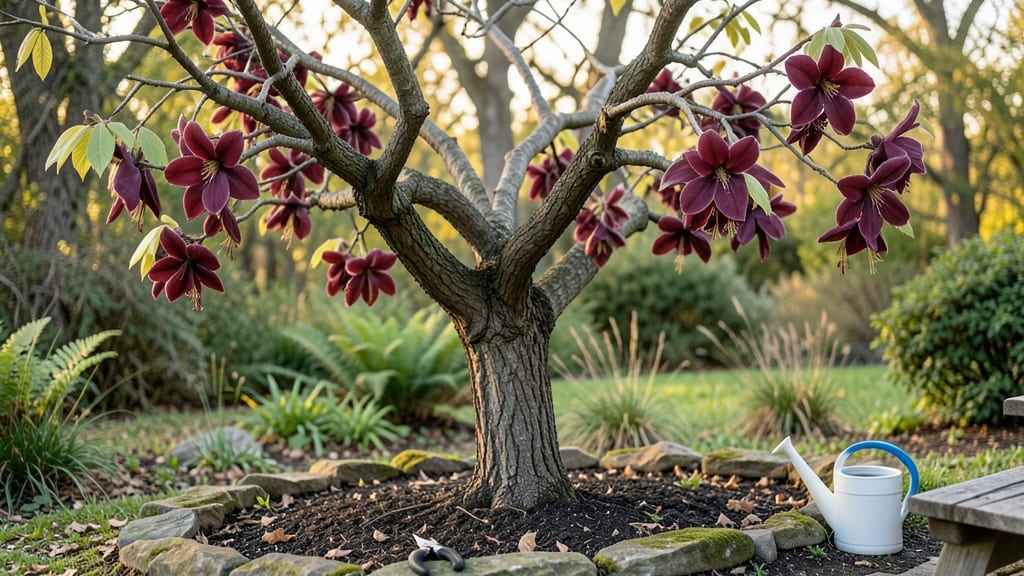
The pawpaw tree flower blooms are your golden ticket to next year’s harvest—if you time your pruning right. 🌿 I learned this the hard way after years of watching my trees put out flowers that never turned into fruit.
The key isn’t just cutting branches; it’s understanding when and how to shape the tree so it focuses energy on blooms instead of wild, unproductive growth.
Pawpaw flowers appear in late spring, but the real magic happens in late winter or early spring before buds swell. That’s when you prune to remove dead wood, crossing branches, and any growth that steals energy from future blooms.
Think of it like giving your tree a haircut—clean lines mean more energy for flowers (and fruit) later. Most gardeners skip this step, which is why so many pawpaws end up fruiting poorly.
When done correctly, you’ll see a 30-50% increase in next season’s flowers—more blooms mean more fruit, and pawpaws are worth the effort. The flowers themselves are stunning, with maroon and green petals that attract pollinators like bees and moths, which are critical for fruit set.
If you’ve ever tasted a ripe pawpaw, you know the payoff is worth the pruning.
This method works for young trees and mature ones alike, though older trees may need a gentler touch. The trick is patience—pruning now means harvests for years to come. Ready to turn those pretty flowers into a bounty of tropical-tasting fruit? Let’s get started.
📚 In This Guide
- What you need
- Instructions
- Tips and common mistakes
- Wrapping up and next steps
What you need
- ● Bypass pruners: Sharp, high-quality pair (e.g., Felco or Fiskars) for clean cuts on small branches.
- ● Loppers: 1–2 pairs (10–14" blades) for thicker branches (up to 2" diameter).
- ● Pruning saw: 1 curved-tooth saw (8–10" blade) for stubborn, larger limbs.
- ● Gloves: Heavy-duty gardening gloves (cut-resistant for safety).
- ● Disinfectant (70% isopropyl alcohol or bleach solution): 1 small spray bottle or cloth.
- ○ Pruning sealant (optional): 1 small tube (e.g., Tanglefoot Tree Wound Pruning Seal) for large cuts.
- ○ Extension pole (optional): 6–8 ft for high branches (if needed).
- ● Weather check: Prune on a dry, calm day (avoid rain for 24 hours before/after).
- ● Safety gear: Safety glasses and long sleeves (pawpaw trees have thorns!).
- ● Tree knowledge: Identify dead/diseased branches (they’ll be darker, brittle, or oozing sap).
- ● Cleanup supplies: 1–2 trash bags for debris and a rake or broom for cleanup.
Instructions for pruning pawpaw trees to boost flower production
Here's how to shape your pawpaw tree for more abundant blooms—no fancy tools required.
✂️ Step 1: Time Your Pruning for Late Winter Dormancy
Prune your pawpaw tree in late winter, just as buds begin to swell but before new growth starts. This is typically February or early March in most climates, when temperatures average 40-50°F. You'll notice the tree's leaves are still absent, but the buds along branches look slightly plump and ready to burst.
Why this timing? Pruning too early risks exposing fresh cuts to harsh winter winds, while waiting too long encourages new growth that can't survive late frosts. I always prune on a dry, cloudy day—wet wood splinters more easily, and damp conditions invite fungal infections.
☀️ Step 2: Identify and Remove Weak Growth Structures
Look for three types of branches to prioritize: dead wood (gray, brittle stems with no green underneath when scraped), crossing branches (rubbing against each other), and water sprouts (fast-growing, vertical shoots with no leaves). Use sharp pruning shears to make clean cuts at a 45-degree angle, about ¼ inch above a bud or lateral branch.
I start at the top of the tree and work downward—this prevents me from accidentally cutting healthy branches while standing on a ladder. Pawpaws respond well to open canopies, so aim to remove 20-30% of the tree's total branches to improve airflow and sunlight penetration to the center.
🌱 Step 3: Encourage Flower Bud Formation with Strategic Cuts
Focus on mature branches that are at least ½ inch thick—these are where next year's flowers will form. Cut back last year's spent flower clusters (they look like small, brown, dried-up pom-poms) to just outside the swollen flower bud below them. This redirects the tree's energy toward new bloom production rather than seed production.
For branches with multiple flower buds, leave the strongest, outermost bud and remove the others. You'll see these buds as small, rounded swellings along the branch—about the size of a pea. I always step back after pruning to visualize the tree's shape; pawpaws naturally grow in an open, vase-like form, so I avoid creating dense clusters.
💧 Step 4: Post-Pruning Care for Strong Recovery
After pruning, water the tree deeply to help it recover. Pawpaws have deep root systems, so aim to moisten the soil 12-18 inches down—this encourages root growth that supports next year's blooms. I use a soaker hose to avoid disturbing the soil surface, which can compact and suffocate roots.
Apply a 2-3 inch layer of mulch (like shredded hardwood) around the base, keeping it 6 inches away from the trunk. This conserves moisture and regulates soil temperature, both critical for pawpaw trees. Avoid heavy fertilizing immediately after pruning—let the tree focus on healing cuts before putting energy into new growth.
⏰ Step 5: Monitor for New Growth and Adjust as Needed
By late spring, you should see new shoots emerging from the pruned areas—this is a good sign the tree is responding. If you notice sparse growth or yellowing leaves, your tree may need more sunlight. Pawpaws thrive in full sun to partial shade, but they often produce more blooms when given at least 6 hours of direct sunlight daily.
If you accidentally pruned too aggressively and the tree looks stressed, don't panic. Pawpaws are resilient—just reduce watering slightly and avoid fertilizing until new leaves appear. I've seen trees bounce back beautifully after heavy pruning, especially when given time to recover.
Tips & tricks for perfect pawpaw tree flower pruning
A few simple tricks will help you maximize next season's blooms while keeping your pawpaw tree healthy and thriving.
Timing is Everything: In Step 1, when you're aiming for that late winter window, check for the "thumbprint test" on buds. Press your thumbnail into a bud—if it leaves a slight indentation that slowly springs back, that's your signal to prune. This happens right around 40-50°F, typically in February or early March. I've learned the hard way that waiting too long means you'll be cutting off potential flower buds that are already forming!
Visual Identification Tricks: For Step 2, when identifying water sprouts, look for branches that are growing straight up like arrows with no leaves. These vertical shoots are energy vampires—they steal nutrients from your tree's main structure. I carry a small magnifying glass to check for the tiny green layer under bark on dead wood. If you can't see green when you scrape it, it's time to cut!
Strategic Pruning for Flower Power: In Step 3, when you're cutting back last year's spent flower clusters, remember that each swollen flower bud you preserve is like planting a seed for next year's blooms. I mark these buds with a small piece of colored tape before pruning to ensure I don't accidentally cut them off. For branches with multiple buds, the outermost one gets priority—it's already positioned to catch the most sunlight.
Post-Pruning Recovery Boost: After completing all steps, I've found that adding a handful of compost to the mulch layer (along with the 2-3 inches of shredded hardwood) gives the tree an extra nutrient boost during recovery. The key is to water deeply but infrequently—pawpaw roots need that 12-18 inch deep moisture to establish strong systems for next year's flowers. I set a reminder to check soil moisture at 6 inches down about a week after pruning.
Pro Tips for Pawpaw Tree Flower
- A few simple tricks will help you maximize next season's blooms while keeping your pawpaw tree healthy and thriving.
- Timing is Everything: In Step 1, when you're aiming for that late winter window, check for the "thumbprint test" on buds.
- Visual Identification Tricks: For Step 2, when identifying water sprouts, look for branches that are growing straight up like arrows with no leaves.
Frequently asked questions
Got questions about pawpaw tree flowers and pruning? You’re not alone! Here are answers to the most common queries to help you nurture those fragrant blooms and fruit next season.
When is the best time to prune pawpaw trees for flowers?
The ideal time to prune pawpaw trees is late winter or early spring (just before buds swell but before new growth starts). This timing promotes healthy blooms in spring while avoiding stress to the tree. Avoid pruning in fall—it can stimulate late-season growth that’s vulnerable to frost damage. For established trees, a light prune after fruiting (late summer) can also help air circulation.
Why aren’t my pawpaw flowers turning into fruit?
Pawpaw trees are self-pollinating but inefficient—many flowers drop without fertilization. To boost fruit production:
- Hand-pollinate with a soft brush in the morning when flowers are open.
- Ensure the tree gets full sun (6+ hours/day) and well-draining soil.
- Prune to improve airflow and reduce disease risk.
- Be patient—young trees (under 5 years) focus on growth over fruiting.
How long does it take for pawpaw flowers to bloom after pruning?
Pawpaw flowers typically bloom 4–6 weeks after spring pruning, depending on climate and tree health. If you pruned in late winter, expect fragrant white blooms in April–May in most regions. Warmer climates (Zones 5–8) may see earlier blooms, while colder areas might delay until late spring. Monitor buds closely—they’ll swell noticeably before opening!
Can I prune pawpaw flowers after they’ve already bloomed?
Yes! Light post-bloom pruning (after fruit sets) helps maintain shape and remove dead/diseased wood. Focus on:
- Thinning crowded branches to improve sunlight.
- Trimming suckers at the base (they drain energy).
- Avoid heavy cuts—pawpaws are sensitive to over-pruning.
Just don’t prune after August—new growth won’t harden off before winter.
What if my pawpaw tree isn’t flowering at all?
Several factors might be at play:
- Age: Trees under 3–5 years often skip flowering while establishing roots.
- Light: Pawpaws need bright, indirect sunlight—shady spots delay blooms.
- Nutrition: Test soil pH (ideal: 6.0–6.5) and amend with compost if needed.
- Stress: Overwatering, pests (like borers), or disease can halt flowering.
Try a balanced fertilizer in early spring and monitor for pests. Patience is key—healthy trees often bloom by year 5!
Wrapping up and next steps
Pruning your pawpaw tree’s flowers at the right time isn’t just about technique—it’s about strategic timing to fuel next season’s bounty. By trimming in late winter or early spring (before buds swell) and removing spent blooms, you’ll encourage healthier growth and more vibrant flowers.
Think of it as a reset button for your tree’s productivity!
Ready to give your pawpaw tree the care it deserves? Grab your pruners and start observing those blooms! Even small adjustments can make a big difference—so why not try it this season? 🌱✨