Planting
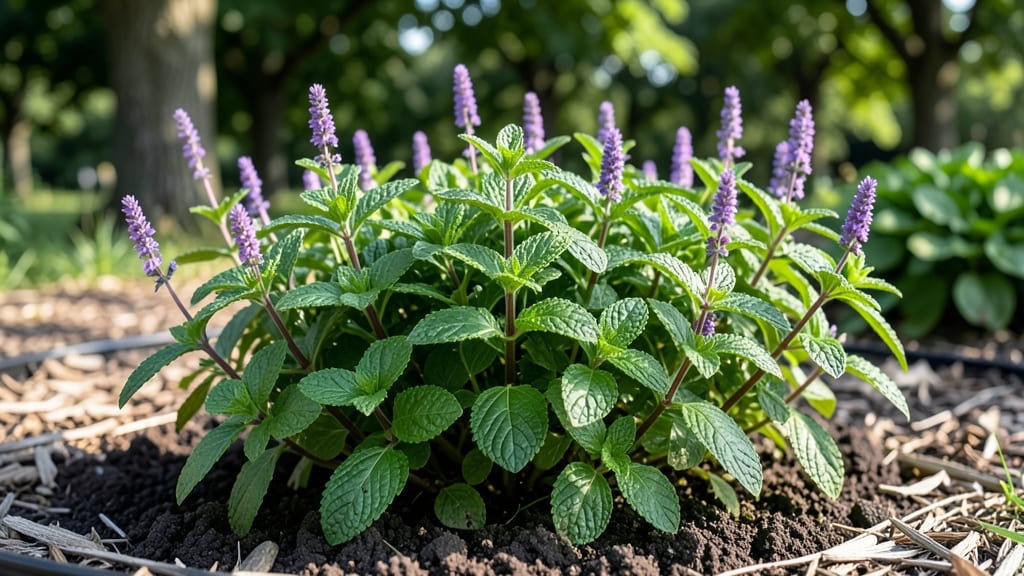
The peppermint plant flower is a frost-resistant surprise that turns your garden into a fragrant haven even when temperatures drop. 🌿 I’ve watched my peppermint bushes bloom in late summer and early fall, their delicate lavender spikes standing out against the minty green foliage—sometimes even surviving light frosts.
Most gardeners focus on the leaves, but those flowers are the plant’s way of saying, "I’m thriving, not just surviving." The secret to encouraging those blooms lies in balance: well-draining soil, partial shade, and consistent moisture without soggy roots.
My peppermint thrives in 50% sun, and I’ve found that cutting back aggressive growth in early spring gives the plant energy to produce flowers later. The flowers themselves are edible—though bitter—often used in teas or garnishes, and they attract pollinators like bees and butterflies.
You’ll know your peppermint is happy when it sends up those lavender flower spikes, each one packed with tiny blooms that smell like candy. The best part? These plants spread easily, so you’ll have more mint—and more flowers—than you know what to do with.
Let’s get yours blooming like a pro.
Peppermint is one of the hardiest mints, handling USDA zones 3-9 with ease, which means you can grow it almost anywhere. Start with 4-6 inches of space between plants, and mulch around the base to keep the soil cool and moist.
Overwatering is the biggest mistake—yellow leaves mean you’re drowning the roots, not nurturing them. The flowers might not be the star of the show, but they’re a free bonus for pollinators and a sign your plant is healthy.
Harvest leaves regularly to encourage bushier growth, and you’ll get both the fresh mint you love and those pretty blooms. It’s a win-win that keeps giving all season long.
If you’ve ever wondered why your peppermint isn’t flowering, check the light and water first. Too much sun? The plant focuses on shade instead. Not enough water? It conserves energy by skipping blooms.
Once you nail the basics, you’ll have abundant flowers and leaves—perfect for teas, cocktails, or just admiring their delicate beauty. This plant is foolproof once you understand its needs, and the flowers are just the icing on the cake. Ready to turn your garden into a minty paradise?
Let’s make it happen.
📚 In This Guide
- What you need
- Instructions
- Tips and common mistakes
- Wrapping up and next steps
What you need
- ● Peppermint seeds or cuttings – 5–10 seeds (if starting from scratch) or 2–3 healthy cuttings (4–6 inches long) for propagation.
- ● Well-draining potting soil – 5–10 gallons (mix in perlite or sand for better aeration).
- ● Containers or garden beds – 12–18 inch deep pots (for indoor/container gardening) or a sunny, partially shaded garden spot (6+ hours of sunlight).
- ● Organic compost or fertilizer – Balanced 10-10-10 or slow-release peppermint-friendly fertilizer (1–2 tbsp per plant).
- ● Watering can or hose with a gentle spray nozzle – Peppermint loves moisture but hates soggy roots!
- ● Pruning shears – Sharp, sterilized shears for trimming and harvesting.
- ○ Mulch (optional but helpful) – Straw or wood chips to retain moisture and protect roots in colder months.
- ● Grow lights – If indoors and sunlight is limited (LED or fluorescent, 6–8 hours/day).
- ● Pest control (neem oil or insecticidal soap) – Peppermint is pest-resistant, but aphids or spider mites may occasionally visit.
- ● Support stakes or trellis – If your peppermint grows tall (especially in humid climates).
- ● pH testing kit – Ideal soil pH for peppermint: 6.0–7.0 (slightly acidic to neutral).
How to grow and care for frost-resistant peppermint flowers
Peppermint’s fragrant blooms bring both beauty and utility to gardens—here’s how to coax them into thriving year-round.
🌱 Step 1: Select the Right Variety and Planting Location
Choose a hardy peppermint variety like Mentha × piperita ‘Black Mitcham,’ which tolerates USDA Zones 3-9 and blooms prolifically. Peppermint thrives in partial shade to full sun but prefers morning sun and afternoon shade in hotter climates—this prevents leaf scorch while ensuring enough light for flowering.
Site your plants in well-draining soil with a slightly acidic to neutral pH (6.0-7.0). Peppermint spreads aggressively via rhizomes, so contain it in raised beds or root barriers at least 18 inches deep to prevent takeover. If planting in containers, use 5-gallon pots for each plant—this gives roots room to establish without crowding.
💧 Step 2: Water and Fertilize for Consistent Blooms
Keep soil consistently moist but never soggy—peppermint flowers best when watered 1-2 inches per week, either from rainfall or irrigation. Let the top 1-2 inches of soil dry slightly between waterings to prevent fungal issues like powdery mildew, which thrives in damp conditions. Mulch with 2-3 inches of organic mulch (like shredded bark) to retain moisture and regulate soil temperature.
Feed plants monthly during spring and summer with a balanced liquid fertilizer (10-10-10) diluted to half-strength. Too much nitrogen promotes leafy growth at the expense of flowers, so cut back to every 6 weeks in fall and winter. I always fertilize after pruning to encourage new blooms—you’ll see sturdy stems with tight clusters of lavender-pink flowers within 4-6 weeks.
☀️ Step 3: Prune for Abundant, Long-Lasting Flowers
Prune peppermint twice yearly to stimulate flowering: once in early spring (just as new growth appears) and again after the first flush of blooms (around mid-summer). Cut back one-third of the plant’s height, focusing on leggy stems and spent flower clusters. This encourages bushier growth and more blooms by redirecting energy toward new shoots.
Deadhead faded flowers regularly to prevent seed formation, which saps the plant’s energy. I use clean, sharp pruners and make cuts at a 45-degree angle just above a leaf node. Avoid heavy pruning in late summer or fall, as this reduces winter hardiness. Peppermint’s woody stems can handle frost down to 10°F, but younger growth benefits from a light mulch layer in colder zones.
✂️ Step 4: Harvest and Preserve Flowers for Year-Round Use
Harvest peppermint flowers in the morning after dew has dried for peak fragrance and potency. Cut whole stems (about 6-8 inches long) and hang them upside down in small bundles in a well-ventilated, dark space for 1-2 weeks to dry. Once dry, strip the flowers from the stems and store them in airtight glass jars away from direct sunlight.
For fresh use, harvest individual flower clusters as they open—this prolongs the blooming season. I like to float a few sprigs in bowls of water to release their scent throughout the house. Peppermint flowers also make beautiful dried arrangements or culinary garnishes (infuse in syrups or teas). Just avoid over-harvesting—leave at least 30% of the plant to ensure regrowth and next year’s blooms.
⏰ Step 5: Overwinter for Year-Round Frost Resistance
Peppermint’s hardy rhizomes survive winter even in Zone 3, but young plants or container-grown specimens need extra care. In fall, reduce watering by half and stop fertilizing entirely. Apply a 4-inch layer of straw mulch over the crown to insulate roots from temperature swings. In containers, move pots to a protected location (like a garage or unheated shed) if temperatures drop below 15°F for extended periods.
In early spring, remove old mulch and trim back any frost-damaged stems to 2-3 inches above ground. New shoots will emerge within 2-3 weeks—this is your cue to resume regular watering and fertilizing. I’ve seen peppermint plants rebloom within 6-8 weeks after winter, proving their resilience. With proper care, your plants will flower reliably for 5+ years with minimal effort.
Tips & tricks for perfect frost-resistant peppermint blooms
Here's what nobody tells you about getting those stunning peppermint flowers to thrive—especially when winter rolls around.
Soil Preparation: Before planting, mix compost into the soil to improve drainage and fertility—peppermint loves nutrient-rich conditions. I always add a handful of perlite or coarse sand to prevent compaction, which is crucial for those 18-inch-deep root barriers mentioned in Step 1. Well-aerated soil prevents root rot and helps flowers establish faster.
Pruning Precision: When you prune in Step 3, focus on removing only the top third of leggy stems—never cut into old wood. I've learned this the hard way after accidentally pruning too aggressively in late summer, which left my plants vulnerable to frost damage. Always use sterilized pruners to prevent spreading disease between cuts, and make sure your cuts are at a 45-degree angle just above a leaf node for optimal regrowth.
Winter Protection Strategy: For container-grown plants in Zone 3, don't just move them to a garage—wrap the pots in bubble wrap or thick towels before bringing them inside. This extra insulation prevents temperature shock when moving between outdoor and indoor environments. In-ground plants benefit from a 4-inch straw mulch layer over the crown, but avoid piling mulch against stems to prevent moisture buildup that could lead to rot.
Harvesting Hack: To maximize your peppermint flower harvest, cut stems in the morning when essential oils are at their peak concentration. I like to use a sharp pair of kitchen scissors for clean cuts, then immediately place stems in a bucket of water to prevent wilting. For drying, bundle stems with twine or rubber bands and hang upside down in a dark, well-ventilated space—this preserves color and potency better than a bright area.
Pro Tips for Peppermint Plant Flower
- Here's what nobody tells you about getting those stunning peppermint flowers to thrive—especially when winter rolls around.
- Soil Preparation: Before planting, mix compost into the soil to improve drainage and fertility—peppermint loves nutrient-rich conditions.
- Pruning Precision: When you prune in Step 3, focus on removing only the top third of leggy stems—never cut into old wood.
Frequently asked questions
Got questions about peppermint plant flowers? You’re not alone!
Here are answers to the most common queries—from blooming tips to frost survival hacks.
Do peppermint plants actually produce flowers?
Yes! While peppermint is often grown for its leaves, it does produce delicate purple or pink flowers in late spring to summer. These blooms are rare in commercial varieties (like those used for oil extraction) but thrive in home gardens with proper care. Pro tip: Deadhead spent flowers to encourage bushier growth!
Are peppermint flowers frost-resistant?
Peppermint plants are hardy perennials that tolerate light frost (down to 15–20°F), but their flowers may wilt in freezing temps. For year-round blooms, plant in USDA Zones 5–9 and mulch heavily in winter. If frost hits, trim back damaged stems—new growth (and flowers!) will return in spring.
When do peppermint flowers bloom?
Timing depends on your climate, but expect blooms 6–8 weeks after planting (or in early summer for established plants). In warmer zones, flowers may appear twice a year. Key trigger: Long daylight hours (14+ hours) signal flowering. For indoor plants, supplement with grow lights if needed.
Can I grow peppermint flowers indoors?
Indoor peppermint can flower, but it’s tricky! Use a south-facing window or grow lights (12+ hours/day) and a well-draining pot. Flowers may be sparse due to limited space, but the plant will still thrive. Bonus: Snip leaves regularly to redirect energy toward blooms.
Why aren’t my peppermint flowers opening?
Common culprits:
- Lack of sunlight: Peppermint needs 4–6 hours of direct sun daily.
- Overcrowding: Thin plants to 12–18 inches apart for better airflow.
- Nutrient deficiency: Feed with a balanced fertilizer (10-10-10) in spring.
- Stress: Avoid transplant shock—acclimate plants gradually to outdoor conditions.
What can I do with peppermint flowers?
Beyond beauty, peppermint blooms are edible (mild minty flavor) and great for:
- Garnishes for cocktails or desserts.
- Dried potpourri or homemade sachets.
- Infusions for herbal teas (use sparingly—they’re stronger than leaves!).
Wrapping up and next steps
The peppermint plant flower is a resilient, fragrant addition to any garden, offering beauty and utility year-round—even in chilly climates! 🌿 Whether you're drawn to its striking blooms, soothing scent, or hardy nature, growing peppermint is a rewarding challenge.
With the right care, you’ll enjoy its benefits for seasons to come.
Ready to bloom with confidence? Start by gathering your supplies, then plant with patience—your garden (and senses!) will thank you. Next up: Share your peppermint patch with friends or experiment with drying the flowers for homemade remedies. Happy gardening! ✨