
Shrubs
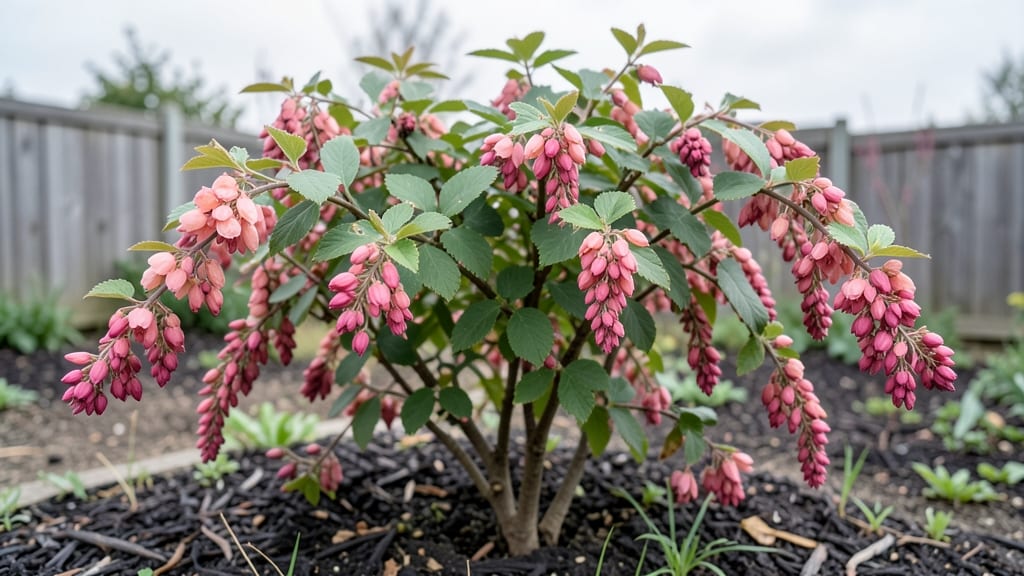
The Pacific Northwest's Ribes sanguineum—pink flowering currant—is the shrub that turns your garden into a hummingbird smorgasbord from spring until frost. 🌿 I planted mine three years ago after seeing how the neon-pink blooms drew hummingbirds like a magnet, and now it's the star of my yard, even when most plants are dormant.
This native beauty thrives where others struggle, with minimal fuss and maximum rewards.
Perfect for zones 5 through 8, this shrub grows 5 to 8 feet tall with a 6 to 10-foot spread, making it ideal for hedges, borders, or as a standalone specimen.
It loves morning sun and afternoon shade, tolerates moist but well-draining soil, and handles both dry spells and winter rains—once established, it’s basically indestructible.
The key is planting it where it can stretch out without competition, and it’ll reward you with three-season interest: fragrant spring flowers, glossy summer foliage, and bright red berries that birds adore.
Care is simple: water deeply after planting, then let nature take over—this plant hates soggy roots but thrives on neglect. Prune in late winter (before buds swell) to shape it or remove dead wood, and fertilize only if your soil is poor.
The real magic happens when hummingbirds descend in spring, their wings a blur as they sip nectar from every cluster. By summer, the foliage turns a rich, velvety green that stays lush until fall.
If you’ve ever wanted a low-maintenance, high-impact plant that works hard for your garden and local wildlife, this is it. The only challenge? Resisting the urge to prune too early—wait until those first buds appear in late winter, and you’ll get the best show.
Ready to transform your yard into a hummingbird hotspot? Let’s get growing.
📚 In This Guide
- What you need
- Instructions
- Tips and common mistakes
- Wrapping up and next steps
What you need
- ● Pink Flowering Currant Plants: 1–3 nursery-grown shrubs (3–4 ft tall, established roots preferred)
- ● OR seeds (if starting from scratch—germination can be slow!)
- ● Soil Amendments: 5–10 lbs well-draining compost (e.g., leaf mold or aged manure)
- ● 1–2 lbs organic fertilizer (balanced 10-10-10 or acid-loving plant blend)
- ● Planting Tools: 1 trowel or transplant spade
- ● 1 garden fork (for loosening soil)
- ● 1 watering can or hose with a gentle spray nozzle
- ● Pruning Tools: 1 pair bypass pruners (for shaping or post-planting cleanup)
- ● 1 hand saw (for thicker stems, if needed)
- ● Mulch: 2–3 inches of wood chips or pine straw (to retain moisture and suppress weeds)
- ○ Support (Optional): 1–2 stakes or trellis (if planting near a fence/wall for vertical growth)
- ● Pest Protection: Neem oil spray (preventative for aphids or mites)
- ● Bird netting (if squirrels are a threat to berries)
- ● A sunny to partially shaded spot (6+ hours of light daily, but tolerates dappled shade)
- ● Well-draining, acidic to neutral soil (pH 5.0–7.0)
- ● Space: 6–10 ft wide and tall (allow room for growth and airflow)
- ● Water source nearby (consistent moisture is key for establishment!)
Step-by-Step instructions for planting pink flowering currant (Ribes sanguineum)
Here's how to establish this Pacific Northwest staple for vibrant blooms and hummingbird traffic.
🌱 Step 1: Choose and Prepare the Planting Site
Select a location with partial shade to full sun—this plant thrives in the dappled light of woodland edges or open garden beds. In hotter inland areas, afternoon shade prevents leaf scorch. The soil should drain well, but Ribes sanguineum tolerates clay better than most shrubs, making it ideal for Pacific Northwest gardens.
Test your soil's moisture retention by digging a 6-inch deep hole. If water pools or drains extremely fast, amend with 2-3 inches of compost mixed into the native soil. This shrub's roots appreciate organic matter but won't tolerate soggy conditions. I always work compost into the bottom 1/3 of the planting hole to encourage root spread.
🪴 Step 2: Plant at the Correct Depth and Spacing
Remove the plant from its container and loosen any circling roots gently with your fingers. The top of the root ball should sit 1-2 inches below the surrounding soil level—this prevents stem rot while encouraging strong root establishment. For 4 plants, space them 6-8 feet apart in a loose cluster or single specimen planting.
Place the plant in the hole and backfill with native soil mixed with compost, tamping lightly every 2 inches to eliminate air pockets. Water thoroughly until the soil settles. You'll see the root zone absorb water quickly—this confirms proper drainage. Mulch with 2-3 inches of wood chips, keeping it 6 inches away from the stem to prevent rot.
☀️ Step 3: Establish Watering and Light Routine
Water deeply 2-3 times per week for the first 4-6 weeks until new growth appears. You'll know the roots are establishing when the soil stays moist 2 inches below the surface between waterings. After establishment, Ribes sanguineum becomes drought-tolerant, but the first year is critical for root development.
Monitor light exposure—young plants may show pale new growth if shaded too heavily. Adjust nearby trees or shrubs if leaves appear stretched or weak. Mature plants handle full sun beautifully, but their vibrant pink blooms stay brightest with morning sun and afternoon shade in hotter microclimates.
✂️ Step 4: Prune for Shape and Health
Prune immediately after flowering to maintain shape and encourage next year's blooms. Remove dead or crossing branches at the base, then cut back any leggy growth by 1/3 to stimulate bushier growth. I always use clean, sharp pruners to avoid tearing bark, which invites disease.
Shape the plant by thinning out older stems at the base—this rejuvenates the shrub and prevents a woody center. You'll see new growth emerge from the base within 2-3 weeks of pruning. For established plants, a light pruning in late winter keeps the shrub compact and flowering vigorously.
Tips & tricks for perfectly establishing pink flowering currant
These tried-and-true insights will help you cultivate thriving Ribes sanguineum plants that reward you with stunning blooms and hummingbird visitors.
Soil Preparation Secret: When testing soil moisture in that 6-inch deep hole (Step 1), focus on how quickly water drains. If it disappears within seconds, your soil is too sandy—mix in an extra 1-2 inches of compost at the bottom. This plant's roots love moisture but hate soggy feet, so aim for that "squishy sponge" texture where water lingers just enough to stay hydrated.
Root Establishment Technique: The 1-2 inches below soil level placement (Step 2) isn't just about stem rot prevention—it's about creating an ideal environment for root expansion. Gently tease those circling roots with your fingers before planting, then water thoroughly until you see the soil settle completely. This ensures the roots make immediate contact with moist soil rather than air pockets that can cause stress.
Watering Wisdom: Those 2-3 waterings per week during the critical 4-6 week establishment period (Step 3) should be deep enough to moisten the soil 2 inches down. Use your finger to check—if it's dry at that depth, water again. The key is consistency; Ribes sanguineum roots are shallow and appreciate steady moisture without becoming waterlogged. In hotter inland areas, you might need daily watering during the first two weeks.
Pruning Precision: When you're cutting back that leggy growth by 1/3 (Step 4), always make clean cuts just above a leaf node or outward-facing bud. This encourages bushier growth rather than leggy stems. And here's a pro tip: collect those pruned branches in early spring—you can root them in moist potting mix to create new plants! The 2-3 week regrowth window gives you perfect timing for this propagation.
Pro Tips for Pink Flowering Currant Ribes Sanguineum
- These tried-and-true insights will help you cultivate thriving Ribes sanguineum plants that reward you with stunning blooms and hummingbird visitors.
- Soil Preparation Secret: When testing soil moisture in that 6-inch deep hole (Step 1), focus on how quickly water drains.
- Root Establishment Technique: The 1-2 inches below soil level placement (Step 2) isn't just about stem rot prevention—it's about creating an ideal environment for root expansion.
Frequently asked questions
Got questions about Ribes sanguineum? You’re not alone!
Here are answers to the most common queries from gardeners eager to welcome hummingbirds and add vibrant color to their Pacific Northwest landscapes.
When is the best time to plant pink flowering currant?
Plant your Ribes sanguineum in early spring or fall when soil temperatures are mild (50–60°F). This gives roots time to establish before summer heat or winter frost. Avoid planting in extreme heat—roots can dry out quickly!
Why aren’t hummingbirds visiting my pink flowering currant?
Hummingbirds love Ribes sanguineum, but they need accessible nectar and shelter. Ensure flowers are unfaded (prune spent blooms) and plant near feeders or other bird-friendly shrubs. If blooms are sparse, check for over-fertilizing (too much nitrogen reduces flowers).
Can pink flowering currant grow in full shade?
While it tolerates partial shade, Ribes sanguineum thrives in full sun to partial shade (4–6 hours of sunlight daily). In deep shade, expect slower growth and fewer flowers. If your yard is shady, choose a spot with the brightest light available—even dappled sunlight helps!
How and when should I prune pink flowering currant?
Prune in late winter or early spring before new growth starts. Remove dead, crossing, or overcrowded branches to improve airflow. Lightly shape the shrub to encourage bushier growth. Avoid heavy pruning—this plant blooms on old and new wood, so don’t cut back more than 1/3 of the plant at a time.
Are there deer-resistant alternatives to pink flowering currant?
While Ribes sanguineum is deer-resistant, if you’re dealing with hungry critters, try Oregon grape (Mahonia aquifolium) or salal (Gaultheria shallon). Both are Pacific Northwest natives with similar evergreen structure and wildlife appeal. Just note that no plant is 100% deer-proof!
Wrapping up and next steps
Transforming your Pacific Northwest garden into a vibrant hummingbird haven with Ribes sanguineum is easier—and more rewarding—than you think! 🌸 This hardy shrub delivers four-season beauty, from striking pink blooms to lush foliage and berries that feed pollinators year-round.
Whether you're a seasoned gardener or just starting out, its low-maintenance charm makes it the perfect addition to any landscape.
Ready to invite more winged visitors and color into your outdoor space? Start by selecting a sunny spot, gathering your supplies, and planting your first Ribes sanguineum this weekend! Your garden—and the hummingbirds—will thank you! 🐦⬛✨