
Flowers
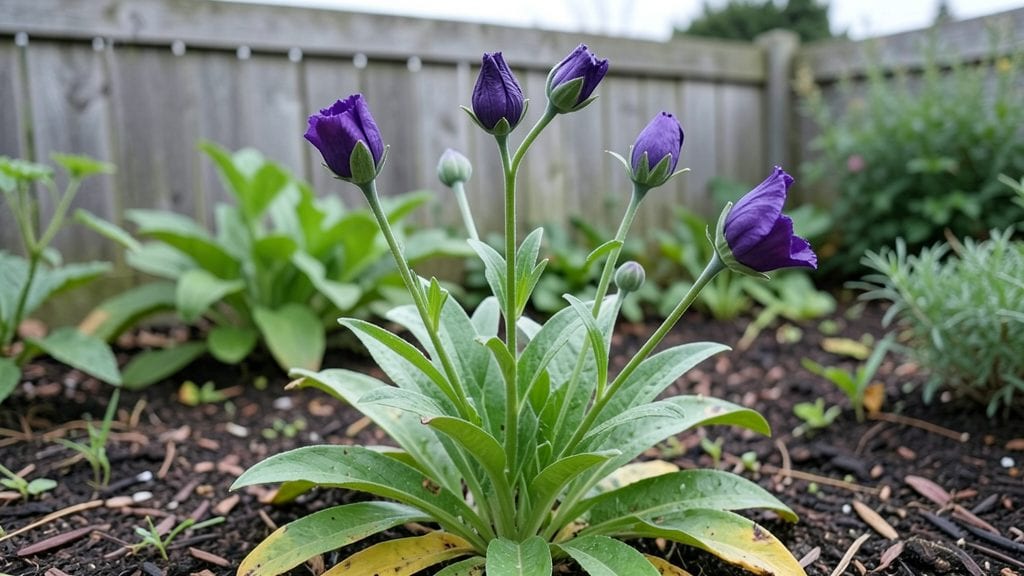
Growing purple balloon flowers means welcoming cheerful purple blooms that pop against cool-season foliage—these hardy perennials thrive where many flowers struggle.
I learned the hard way that their secret lies in cool climates and well-draining soil, but once you nail those basics, they reward you with months of effortless blooms that hummingbirds adore. The key?
Planting in early spring or fall when temperatures stay mild, and avoiding soggy soil that invites rot.
These plants are the ultimate low-maintenance stars: they handle partial shade, bounce back from winter dormancy, and even tolerate light frost. You’ll need a spot with 4-6 hours of sunlight daily, a spot that’s not too hot or dry, and soil amended with compost for their best performance.
Most gardeners overlook their pruning needs, but a simple mid-season trim keeps them bushy and flowering longer.
By summer’s end, you’ll have a cluster of balloon-like buds that burst into star-shaped blooms in shades of purple, pink, and white. The flowers attract pollinators while adding whimsy to borders, containers, or cottage gardens.
Even in their second year, they multiply and spread, creating a naturalized look with almost no effort.
Perfect for gardeners in zones 3-8 who want color without fuss, purple balloon flowers also make great cut flowers—their unique shape holds up beautifully in bouquets. Just remember: they go dormant in winter, but their roots stay tough, ready to burst back to life when spring arrives.
📚 In This Guide
- What you need
- Instructions
- Tips and common mistakes
- Wrapping up and next steps
What you need
- ● Purple balloon flower seeds or bulbs: Quantity: 5–10 seeds/bulbs (or more for a fuller display)
- ● Specification: Choose Platycodon grandiflorus varieties like 'Astra Double' or 'Mariesii' for vibrant purple blooms.
- ● Well-draining potting mix: Quantity: 2–3 gallons (or enough to fill your chosen container)
- ● Specification: Mix equal parts peat moss, perlite, and compost for optimal aeration.
- ● Containers or garden bed: Option 1: Containers (5–7" deep, with drainage holes)
- ● Option 2: Garden bed in partial shade (4+ hours of sunlight daily)
- ● Garden trowel or small shovel (for planting seeds/bulbs)
- ● Watering can or hose with a gentle spray nozzle (avoid overwatering!)
- ○ Mulch (optional but recommended): Type: Straw or shredded bark (1–2 inches thick)
- ● Purpose: Retains moisture and protects roots in cooler months.
- ○ Fertilizer (optional): Type: Balanced 10-10-10 or fish emulsion (diluted)
- ● Timing: Apply lightly at planting and again in early spring.
Step-by-Step instructions for growing purple balloon flowers
Here’s how to cultivate these striking blooms with confidence—perfect for cooler climates and low-maintenance gardeners.
Choose the Right Planting Location
Purple balloon flowers (Platycodon grandiflorus) thrive in partial shade to full sun, but they tolerate cooler climates better than many perennials. Pick a spot that gets at least 4-6 hours of sunlight daily, though morning sun with afternoon shade works best in hotter regions. The ideal location has well-draining soil—these plants despise soggy roots, which can lead to rot.
I always test the soil by digging a small hole and filling it with water. If it drains within 15-30 minutes, the spot is perfect. If water pools, amend the soil with 2-3 inches of compost or sand to improve drainage before planting. Avoid low-lying areas where cold air settles, as purple balloon flowers are hardy down to USDA Zone 3 but may struggle with late spring frosts.
Prepare the Soil and Plant
Work 2-3 inches of organic matter (like compost or aged manure) into the top 6-8 inches of soil to enrich it. Purple balloon flowers prefer slightly acidic to neutral soil (pH 6.0-7.0). If your soil is heavy clay, mix in pearlite or coarse sand to loosen it—this helps roots establish faster.
Dig holes twice as wide as the root ball but only as deep as the container’s height. Gently remove the plant from its pot, tease the roots if they’re circling, and place it in the hole so the top of the root ball sits level with the surrounding soil. Backfill with native soil, pressing lightly to eliminate air pockets. Water deeply to settle everything—this helps prevent transplant shock.
Water and Mulch for Retention
Keep the soil consistently moist but not waterlogged for the first 2-3 weeks after planting. Water deeply 2-3 times per week, aiming for 1 inch of water per week. You’ll know you’re doing it right when the top 1-2 inches of soil feel damp but not soggy. Overwatering is the fastest way to invite fungal diseases like powdery mildew, which can defoliate plants quickly.
Spread 2-3 inches of mulch (like shredded bark or straw) around the base, keeping it 2 inches away from the stems to prevent rot. Mulch helps retain moisture, regulate soil temperature, and suppress weeds—all while giving your purple balloon flowers a polished look. Replenish mulch annually in early spring to maintain its effectiveness.
Fertilize and Support Growth
Feed plants with a balanced, slow-release fertilizer (10-10-10) in early spring and again after flowering. Avoid high-nitrogen fertilizers, which encourage leafy growth at the expense of blooms. I like to side-dress with compost tea mid-season for a gentle nutrient boost without risking over-fertilization.
Stake tall varieties (like ‘Astra Blue’) with bamboo stakes or garden rings before the first buds appear. The 3-4 foot stems can flop under heavy blooms, especially in windy conditions. Tie stems loosely with soft plant ties—tightening too much restricts growth. Deadhead spent blooms regularly to encourage continuous flowering from late summer into fall.
Overwinter and Prune for Next Season
Purple balloon flowers are perennial and return year after year with proper care. In fall, cut back dead or yellowed foliage to 2-3 inches above the ground, but leave healthy stems intact—they provide insulation during winter. Mulch heavily (up to 4 inches) to protect roots from freeze-thaw cycles, which can heave plants out of the ground.
In early spring, trim back any remaining dead growth and apply a thin layer of fresh mulch. You’ll see new shoots emerge in 3-4 weeks, signaling it’s time to resume regular watering and fertilizing. This is also the perfect time to divide clumps if they’ve become overcrowded—simply dig up the plant, separate the roots, and replant sections 12-18 inches apart for fuller blooms next year.
Tips & tricks for perfect purple balloon flower cultivation
Here's how to take your purple balloon flowers from good to stunning with minimal extra effort—these are the game-changers I've learned after years of growing them.
Sunlight Strategy: In Step 1, when choosing your location, remember that "partial shade" doesn't mean deep shade—think dappled sunlight through trees or morning sun with afternoon shade. I've found that plants in full sun (4-6 hours) produce the most vibrant blooms, but they'll still thrive with just morning sun in hotter climates. The key is avoiding harsh afternoon sun in summer, which can stress the plants.
Soil Test Hack: For the soil drainage test in Step 1, I recommend using a small trowel to create a hole about 6 inches deep. Fill it with water and time how long it takes to drain completely. If water remains after 30 minutes, you definitely need to amend your soil with compost or sand before planting. This simple test saves you from potential root rot headaches later.
Planting Depth Secret: When planting in Step 2, pay special attention to the depth—the top of the root ball should be level with the surrounding soil. I've seen beginners bury plants too deeply, which can cause the stems to rot. If you're unsure, use a small stick to mark the original soil level on the pot before removing the plant. This visual guide makes proper depth placement effortless.
Watering Wisdom: During the critical first 2-3 weeks in Step 3, I've found that watering in the early morning is ideal. This gives the soil time to absorb moisture before the heat of the day, and it helps prevent fungal diseases. Use a rain gauge or measuring cup to ensure you're delivering that 1 inch of water per week—it's easier than you think, and your plants will thank you with healthier growth.
Pro Tips for Purple Balloon Flower
- Here's how to take your purple balloon flowers from good to stunning with minimal extra effort—these are the game-changers I've learned after years of growing them.
- Sunlight Strategy: In Step 1, when choosing your location, remember that "partial shade" doesn't mean deep shade—think dappled sunlight through trees or morning sun with afternoon shade.
- Soil Test Hack: For the soil drainage test in Step 1, I recommend using a small trowel to create a hole about 6 inches deep.
Frequently asked questions
Got questions about growing purple balloon flowers? You’re not alone! Here are some of the most common queries—and their easy answers—to help you cultivate these charming blooms like a pro.
How do I encourage my purple balloon flower to bloom?
Purple balloon flowers (Platycodon grandiflorus) thrive with full sun to partial shade and well-draining soil. Deadhead spent blooms regularly to prompt more flowers, and fertilize lightly in spring with a balanced 10-10-10 formula. Pro tip: These plants often bloom best in their second year, so be patient!
Can purple balloon flowers survive winter in cold climates?
These hardy perennials tolerate USDA zones 3–8 and handle frost beautifully. Mulch around the base in late fall with 2–3 inches of straw or shredded leaves to protect roots. In extreme cold (<10°F), a light blanket of burlap can add extra insulation. No fuss needed—they’ll bounce back in spring!
What are some purple balloon flower alternatives for hotter climates?
If your zone is too warm (above 8), try these low-maintenance, cool-toned bloomers:
- Lavender (drought-tolerant, fragrant)
- Coneflower (Echinacea) (pollinator magnet, purple/pink)
- Black-eyed Susan (golden-yellow centers, thrives in heat)
- Catmint (silvery foliage, long bloom time)
All love full sun and minimal water once established!
Why are my purple balloon flower leaves turning yellow?
Yellowing leaves usually signal overwatering or poor drainage. Let the soil dry slightly between waterings, and amend heavy clay soil with compost or sand to improve airflow. Check for pests too! Slugs and aphids sometimes target these plants—handpick them or use neem oil for a natural fix.
How long does it take for purple balloon flowers to mature?
From seed, expect blooms in 1–2 years (slower than transplants). If you plant started seedlings in spring, you might see flowers the same year! These perennials reward patience with years of low-maintenance blooms—often returning every spring with minimal care.
Wrapping up and next steps
Growing purple balloon flowers is a rewarding experience—especially in cooler climates where their delicate blooms thrive with minimal effort! 🌸 Whether you're a seasoned gardener or just starting, these perennials bring vibrant color and resilience to your outdoor space.
Now that you’re equipped with the right materials and answers to common questions, it’s time to roll up your sleeves and plant your first batch.
Start small—try a few plants in pots or a sunny garden bed—and watch your garden transform. Before you know it, you’ll be sharing tips with fellow plant lovers! Happy gardening! 🌿