
Flowers
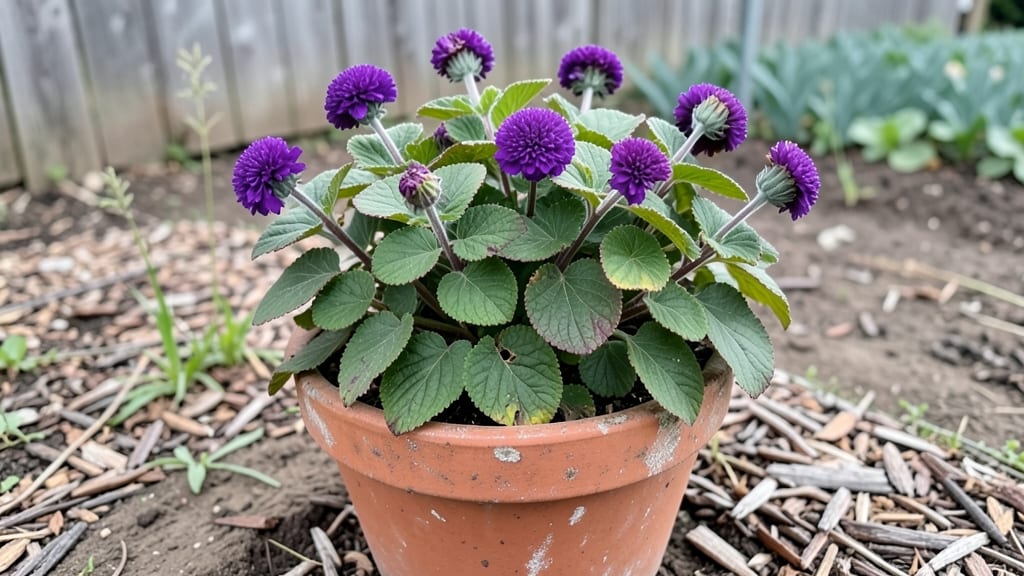
That purple round-ball flower hanging from your porch isn't just pretty—it’s a buzzing magnet for bees and butterflies all summer long. I still remember the first time I spotted one in a neighbor’s window box, its deep violet spheres catching the light like tiny jewels.
It’s the kind of plant that turns heads and fills the air with a quiet hum of life.
Containers are where these bold blooms truly shine, whether you’re working with a classic terracotta pot or a whimsical macramé hanger. Pair them with trailing white alyssum for contrast or spiky ornamental grasses to add texture.
They’re perfect for cottage gardens, modern balconies, or even as a striking centerpiece on a patio table—no green thumb required.
Your garden will feel like a living painting when these round purple balls pop against silver foliage or bright yellow marigolds. In late summer, snip a few stems and let them dry for winter arrangements that keep the magic alive.
The best part? They thrive in containers, so you can move them to chase sunlight or create seasonal displays.
Start with one this season—just a single round purple ball can transform a corner of your space into a pollinator paradise. The key is mixing heights and textures, so don’t be afraid to experiment.
Your neighbors will ask where you got them, and you’ll just smile, knowing the secret was simplicity all along.
📚 In This Guide
- What you need
- Instructions
- Tips and common mistakes
- Wrapping up and next steps
What you need
- ● Purple flowering plants: Choose 3-5 varieties for a full, lush look. Top picks: Lantana (compact varieties like ‘Bandana Cherry’)
- ● Petunias (trailing or bush types in deep purple)
- ● Verbena (e.g., ‘Superbena Purple’)
- ● Salvia (like ‘Black and Bloom’ or ‘Hot Lips’)
- ● Scaevola (fanflower, for trailing purple blooms)
- ● Container: A round, deep pot (12–18 inches in diameter) with drainage holes. Options: Ceramic or terracotta (for classic style)
- ● Fiberglass or resin (lightweight for hanging)
- ● Fabric grow bag (breathable, great for trailing plants)
- ● Potting mix: High-quality, well-draining blend (e.g., Miracle-Gro Potting Mix or Black Gold Natural & Organic). For containers, mix in 20% perlite or pumice to improve aeration.
- ● Slow-release fertilizer: Granular (e.g., Osmocote Smart-Release) or liquid (e.g., Dyna-Gro Grow) for consistent nutrition.
- ○ Mulch (optional but helpful): Cocoa coir chips or decorative gravel to retain moisture and add color.
- ● Gloves (gardening or nitrile, to protect your hands)
- ● Trowel or small shovel (for planting and mixing soil)
- ● Pruners or scissors (sterilized, for trimming plants)
- ● Watering can or hose with a gentle spray nozzle
- ● Support structures (if needed): Coco coir rings or tomato cages (for trailing plants like scaevola)
- ● Small stakes (for upright varieties like salvia)
- ● Sunlight access: Ensure your container will get 6+ hours of direct sun daily (most purple bloomers thrive in full sun).
- ● Decorative accents: Painted rocks, mosaic tiles, or a purple-themed pot sleeve for a cohesive look.
- ● Pollinator boosters: Add a few bee-friendly herbs like lavender or thyme for extra appeal.
- ● Self-watering system: A reservoir or moisture meter to keep your round ball thriving with minimal effort.
- ● Seasonal swaps: Swap out spent blooms with purple annuals like cleome or celosia for year-round color.
Step-by-step guide to growing purple flowering ball shrubs in containers
Here’s how to create a stunning pollinator haven with these compact, vibrant shrubs.
Select the Right Variety and Container
Choose a purple flowering ball shrub like Callistemon (bottlebrush) or Lagerstroemia (crape myrtle) for bold color and pollinator appeal. These thrive in containers with at least 18-inch diameter to accommodate mature root systems. I opt for glazed ceramic pots—they retain moisture while preventing root rot, and the weight keeps them stable in windy spots.
Ensure the container has multiple drainage holes to prevent soggy roots. If your pot lacks drainage, drill holes yourself—this is non-negotiable for container-grown shrubs. Fill the bottom with 2-3 inches of gravel or broken pottery to create an air gap. This layer prevents waterlogging while allowing excess moisture to escape.
Prepare Soil and Plant Your Shrub
Use a well-draining potting mix blended with 20% perlite or coarse sand to improve aeration. Avoid garden soil—it compacts in containers, suffocating roots. I mix 3 gallons of potting mix with 1 gallon of perlite for each shrub to ensure fast drainage. Fill the container to 2 inches below the rim, leaving room for watering.
Remove the shrub from its nursery pot and loosen the roots gently if they’re circling. Position it so the top of the root ball sits ½ inch below the container’s rim. This prevents soil from washing away during watering. Backfill with your mix, pressing lightly to eliminate air pockets. Water deeply until it drains from the bottom holes—this settles the soil and eliminates gaps.
Place for Optimal Sun and Watering
Purple flowering ball shrubs crave full sun (6+ hours daily) for vibrant blooms. A south or west-facing patio delivers the best results. If shade is unavoidable, choose a partial shade variety like Weigela or Abelia, but expect fewer flowers. I place mine near a morning sun, afternoon shade spot to balance heat stress and blooming intensity.
Water when the top 1-2 inches of soil feel dry—stick your finger in to check. Overwatering is the fastest way to kill container shrubs. I use a self-watering pot with a moisture meter to avoid guesswork. After watering, empty the saucer to prevent root rot from sitting water.
Feed and Prune for Year-Round Blooms
Fertilize every 4-6 weeks during spring and summer with a balanced 10-10-10 or slow-release granular fertilizer. I top-dress the soil with 2 tablespoons of 10-10-10 in early spring and again after flowering. Avoid high-nitrogen fertilizers—they promote leafy growth at the expense of blooms. Reduce feeding in fall and winter when growth slows.
Prune dead or overcrowded branches in late winter to shape the shrub and encourage new growth. For Callistemon, I trim 1/3 of the oldest stems to the base—this rejuvenates the plant and triggers bushier, more vibrant blooms. Always use clean, sharp pruners and sterilize them with rubbing alcohol between cuts to prevent disease.
Overwinter and Protect for Next Season
Before the first frost, move containers to a sheltered location like a garage or under an eave. Wrap the pot in bubble wrap or frost cloth to insulate roots from temperature swings. I also add a 2-inch layer of mulch around the base to retain warmth. If your shrub loses leaves, don’t panic—many purple varieties are deciduous and regrow in spring.
Resume watering sparingly in winter—only when the soil is completely dry. Overwatering in cold months leads to root rot. In early spring, remove the protective wrap and fertilize lightly to kickstart new growth. With proper care, your purple flowering ball shrub will reward you with bold color and pollinators for years.
Tips & tricks for perfect purple flowering ball shrubs
These simple yet game-changing tips will help you keep your purple flowering ball shrubs thriving in containers for years to come.
Container Selection Tip: While glazed ceramic pots work beautifully, don't overlook lightweight options like fiberglass or lightweight plastic containers. They're easier to move around as your shrub grows, especially when you need to adjust for seasonal sun exposure. Just make sure they still have those essential drainage holes—no exceptions!
Soil Mixing Strategy: When blending your 3 gallons of potting mix with 1 gallon of perlite, consider adding a handful of worm castings for extra nutrients. This boosts microbial activity in the soil, helping your shrub access nutrients more efficiently. I like to mix it right in with the perlite before adding to the container.
Sunlight Optimization: If your patio only gets partial sun, position your shrub so it receives the most intense morning sunlight possible. Purple flowering ball shrubs can tolerate some afternoon shade, but morning sun gives them the energy boost they need for vibrant blooms. Think of it as their daily vitamin D!
Watering Wisdom: For container-grown shrubs, I've found that watering in the morning gives the plant time to absorb moisture before evening temperatures drop. This mimics natural rainfall patterns and helps prevent fungal issues. Plus, it's one less thing to worry about when you're enjoying your evening outdoors.
Pro Tips for Purple Flower Round Ball
- These simple yet game-changing tips will help you keep your purple flowering ball shrubs thriving in containers for years to come.
- Container Selection Tip: While glazed ceramic pots work beautifully, don't overlook lightweight options like fiberglass or lightweight plastic containers.
- Soil Mixing Strategy: When blending your 3 gallons of potting mix with 1 gallon of perlite, consider adding a handful of worm castings for extra nutrients.
Frequently asked questions
What’s the best container size for a purple round ball flower?
For most trailing or bushy varieties (like Thunbergia alata), aim for a container at least 10–12 inches deep and wide. Shallow pots (like 6–8 inches) work for smaller Pelargonium types, but deeper roots need room to stretch. Add drainage holes—root rot is a sneaky villain!
How often should I water my purple ball flower in a pot?
Check soil moisture daily in summer—stick your finger 1 inch deep. If it’s dry, water thoroughly until it drains from the bottom. In cooler months, reduce to every 2–3 days. Overwatering is riskier than underwatering; these beauties prefer consistent dampness, not soggy soil.
Why aren’t my purple round ball flowers attracting pollinators?
Pollinators love neon purple blooms, but a few tweaks can help:
- Deadhead spent flowers to encourage new blooms.
- Place the pot in full sun (6+ hours/day)—shady spots = fewer visitors.
- Add a companion plant like marigolds or lavender to boost the vibe.
Can purple round ball flowers survive winter in containers?
Most tender perennials (like Thunbergia) won’t tolerate frost. Overwinter indoors near a sunny window or dig up tubers (like Pelargonium) to store in dry peat moss. Trim back ⅓ of the plant and reduce watering—dormancy mode is key!
What’s a good alternative if I can’t find purple round ball flowers?
Try these container-friendly lookalikes:
- Calibrachoa ("million bells") – Tiny trailing purple blooms.
- Petunia ‘Wave’ – Bushy, round clusters in deep purples.
- Lobelia – Spiky purple flowers (great for hanging pots).
My purple ball flower leaves are yellowing—what’s wrong?
Yellow leaves usually mean overwatering or nutrient deficiency. First, let the soil dry slightly between waterings. If that doesn’t help, feed with a balanced liquid fertilizer (10-10-10) every 4–6 weeks. Check for pests too—aphids or spider mites love stressed plants!
Wrapping up and next steps
Transforming your containers into a vibrant haven for pollinators is easier—and more rewarding—than you think! The purple flower round ball isn’t just a stunning centerpiece; it’s a powerhouse for bees, butterflies, and hummingbirds, all while adding a pop of color to your space.
Whether you’re a seasoned gardener or just starting, these bold blooms prove that beauty and purpose can grow side by side.
Ready to take the next step? Start small—pick one container, gather your supplies, and let your creativity bloom! 🌸 And don’t forget to share your progress with fellow plant lovers; their tips might just inspire your next gardening adventure.