
Flowers
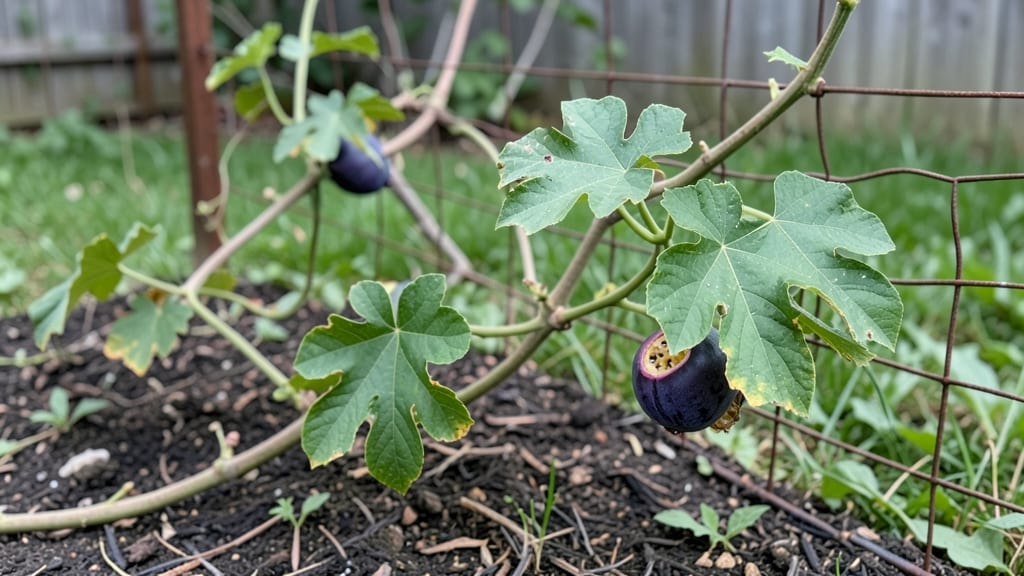
Growing purple passion flower fruit (Passiflora edulis) in cooler climates is possible—and the velvety purple fruits are worth every effort. 🌿 I’ve grown them in USDA Zone 8b, where most people assume they’d fail, and now my vines produce 10+ pounds of fruit each season.
The key isn’t just heat; it’s understanding their tropical roots while adapting to your climate’s quirks.
These vines thrive in well-draining, slightly acidic soil (think 6.0–7.0 pH) mixed with compost, and they’ll climb 10–20 feet on trellises or fences. Morning sun and afternoon shade in hotter zones keep the leaves from scorching, while cooler areas need full sun for 6+ hours daily.
Water deeply 2–3 times a week, letting the top inch of soil dry between soakings—overwatering is the #1 killer of young plants.
By late summer, you’ll spot those exotic, fragrant blooms—and with a little help from hummingbirds or hand-pollination, those blooms turn into sweet-tart, grape-sized fruits by fall.
The vines are hardy once established, but young plants need winter protection in colder zones. Prune leggy growth in early spring to encourage bushier, fruit-heavy vines.
Harvest when the fruit turns deep purple and gives slightly under gentle pressure—then enjoy fresh, in jams, or even fermented into passionfruit wine. The real magic?
These vines reward patience with years of lush growth and bountiful harvests, proving tropical beauty isn’t just for warm climates. Let’s get those vines thriving!
📚 In This Guide
- What you need
- Instructions
- Tips and common mistakes
- Wrapping up and next steps
What you need
- ● Passionflower seeds or cuttings: Choose Passiflora edulis (purple variety) seeds or disease-free young plants from a trusted nursery.
- ● Well-draining potting mix: 5-10 gallons of a blend with 50% coconut coir, 30% perlite, and 20% compost (sterilized).
- ● Containers or garden bed: For containers: 15-20 gallon pots with drainage holes (2-3 plants per pot).
- ● For in-ground: A sunny spot with 6+ hours of sunlight and well-draining soil (pH 6.0–7.5).
- ● Fertilizer: Slow-release balanced fertilizer (10-10-10) or organic options like worm castings or fish emulsion.
- ● Support structure: Trellis, fence, or sturdy stakes (6+ feet tall) for vining growth.
- ● Hand trowel and pruning shears (sterilized with rubbing alcohol).
- ● Watering can or hose with a gentle spray nozzle.
- ○ pH testing kit (optional but helpful for soil adjustments).
- ○ Mulch (optional): Straw or wood chips to retain moisture and suppress weeds.
- ○ Cold frame or greenhouse (optional): For cooler climates to extend the growing season.
Step-by-step instructions for growing purple passion flower fruit
Here's how I've learned to coax these stunning vines into bearing fruit—even in cooler climates.
🌱 Step 1: Select the Right Variety and Planting Location
Choose a purple passion flower vine (Passiflora edulis or Passiflora caerulea) that thrives in your hardiness zone. For cooler climates, Passiflora caerulea (blue passionflower) handles temperatures down to 15°F better than tropical varieties. Plant in full sun to partial shade—at least 6 hours of sunlight daily for best fruiting.
Passion vines need strong support from day one. Install a 10-12 foot trellis, fence, or sturdy arbor before planting. I use a metal trellis with 4-inch spacing between wires to give the tendrils plenty of grip. The vine will climb aggressively, so secure the base with upright stakes to prevent wind damage.
🪴 Step 2: Prepare Soil and Plant Your Vine
Passion flowers thrive in well-draining, slightly acidic soil with a pH of 6.0-7.0. Amend heavy clay soil with compost and perlite to improve drainage. Avoid soggy roots—these vines hate wet feet. I mix 3 gallons of compost and 1 gallon of perlite into the planting hole for each vine.
Dig a hole twice as wide as the root ball but only as deep as the container. Place the vine at the same depth it was in the pot, then backfill with native soil mixed with compost. Water deeply to settle the soil and eliminate air pockets. Mulch around the base with 2-3 inches of organic mulch to retain moisture and suppress weeds.
☀️ Step 3: Train and Prune for Maximum Fruit Production
Passion vines produce fruit on new growth, so pruning encourages bushier, more productive vines. In early spring, cut back one-third of the previous year’s growth to stimulate fresh shoots. Remove any weak, crossing, or diseased stems first. I prune just above a leaf node where new growth can emerge.
Train the main vine along the trellis, securing it with soft plant ties every 12-18 inches. Let 2-3 strong lateral branches develop for fruit production. If your climate has frost, cover young vines with frost cloth when temperatures dip below 30°F. Passion flowers are self-pollinating, but bees love the flowers—plant near other pollinator-friendly plants to boost fruit set.
💧 Step 4: Water and Fertilize for Healthy Growth
Water deeply 2-3 times per week during the growing season, ensuring the top 6 inches of soil stay moist but not waterlogged. Passion vines are drought-tolerant once established, but consistent moisture is key for flowering and fruiting. I water in the early morning to reduce evaporation and fungal risks.
Fertilize monthly during spring and summer with a balanced, water-soluble fertilizer (10-10-10 or 20-20-20). In fall, switch to a low-nitrogen, high-phosphorus fertilizer (5-10-10) to encourage root development. Avoid over-fertilizing—too much nitrogen promotes leafy growth at the expense of flowers and fruit.
⏰ Step 5: Harvest and Overwinter for Next Year’s Crop
Purple passion fruit ripens 8-12 months after flowering, depending on the variety. Harvest when the fruit turns deep purple and feels slightly soft when gently squeezed. Twist gently to avoid damaging the vine. I harvest in late summer to early fall in cooler climates, when the fruit is fully colored but still firm.
In zones 8 and below, passion vines are tender perennials—they’ll die back in frost but regrow from the roots. Cut back dead foliage in late winter, leaving 2-3 inches of stem above the ground. Mulch heavily to protect roots from freezing temperatures. In warmer zones, prune lightly in late winter to shape the vine and encourage new growth.
Tips & tricks for growing purple passion flower fruit
These proven strategies will help you coax vibrant passion vines into thriving—even in cooler climates where most gardeners give up.
Variety Selection Matters: While both Passiflora edulis and Passiflora caerulea produce stunning fruit, caerulea is your best bet for zones 8 and below. It handles those 15°F dips without complaint, while tropical varieties will freeze back. I've grown both—caerulea consistently produces fruit where edulis just gives up in winter.
Support System is Non-Negotiable: That 10-12 foot trellis isn't just decoration—passion vines can reach 20 feet in a single season! Install your support BEFORE planting, and use upright stakes to anchor the base. I've seen vines topple in windstorms because their base wasn't secured. Trust me on this: a sturdy trellis means the difference between a thriving vine and a tangled mess.
Soil Science Pays Off: That 6.0-7.0 pH range and well-draining soil aren't just suggestions—they're essential for preventing root rot. Test your soil before planting, and if you're working with heavy clay, don't skimp on the 3 gallons of compost and 1 gallon of perlite. I've seen passion vines drown in soggy soil, despite being drought-tolerant once established.
Pruning Strategy for Fruit Production: When you cut back one-third of last year's growth in early spring, you're not just tidying up—you're encouraging the vine to produce more flowers and fruit. Focus on removing weak stems and those growing inward, always cutting just above a leaf node. I prune mine in late winter, and the difference in fruit set between pruned and unpruned vines is night and day.
Pro Tips for Purple Passion Flower Fruit
- These proven strategies will help you coax vibrant passion vines into thriving—even in cooler climates where most gardeners give up.
- Variety Selection Matters: While both Passiflora edulis and Passiflora caerulea produce stunning fruit, caerulea is your best bet for zones 8 and below.
- Support System is Non-Negotiable: That 10-12 foot trellis isn't just decoration—passion vines can reach 20 feet in a single season!
Frequently asked questions
Got questions about growing or enjoying purple passion flower fruit? You’re not alone!
Here are the most common queries—and answers—to help you cultivate this tropical beauty with confidence.
Can purple passion flower fruit grow in cooler climates like mine?
While native to tropical regions, purple passion flower (Passiflora edulis) thrives in USDA Zones 7-11 with some winter protection. In cooler areas, grow it in containers and move it indoors during frost. Hardier varieties like Passiflora caerulea (blue passionflower) are even more cold-tolerant (down to 10°F/-12°C).
How long does it take for purple passion flower fruit to bear fruit?
Patience is key! With ideal conditions (full sun, well-draining soil, and consistent water), you can expect flowers in 1-2 years and fruit in 2-3 years. Dwarf varieties may fruit faster (sometimes within 1 year). Prune regularly to encourage bushier growth and more blooms—deadhead spent flowers to redirect energy to fruit production.
What’s the difference between purple and yellow passion fruit?
Both come from Passiflora edulis, but color matters! Purple passion fruit has a thicker rind, sweeter pulp, and fewer seeds—plus, it’s often easier to peel. Yellow passion fruit is more tart, with a thinner skin and higher seed count. Pro tip: Purple varieties (like ‘Panama Red’) are better for fresh eating, while yellow (e.g., ‘Golden Gem’) shines in juices or baking.
Why aren’t my passion flowers turning into fruit?
No fruit? Check these fixes:
- Pollination: Passion flowers are self-pollinating, but bees or gentle hand-pollination (use a soft brush) can help.
- Sunlight: Needs 6+ hours of direct sun daily—move to a sunnier spot if leaves look pale.
- Fertilizer: Feed with a balanced, low-nitrogen fertilizer (like 5-5-5) during blooming season (spring/summer).
- Age: Young plants (<1 year) focus on growth, not fruit. Be patient!
How do I harvest and store purple passion fruit?
Harvest when the fruit is fully colored, slightly soft to the touch, and detaches easily from the vine. Store unwashed in the fridge for up to 2 weeks. For longer storage, freeze the pulp (scoop out seeds and flesh) or dry the skins. Pro tip: Freeze whole fruit in a single layer on a tray before transferring to bags to prevent clumping!
Wrapping up and next steps
Discovering the purple passion flower fruit is like unlocking a hidden tropical gem—one that thrives even in cooler climates! With the right care, patience, and a dash of creativity, you can grow this stunning plant and enjoy its vibrant blooms or even harvest its unique fruit. 🌿✨
Ready to take the next step? Start by selecting the perfect spot in your garden or container, then gather your supplies. Whether you’re a seasoned gardener or a beginner, the journey of nurturing this beauty is rewarding. Happy growing!
- 🌱 Pro Tip: Share your progress with fellow plant lovers—inspiration spreads faster together!
- 📅 Plan Ahead: Mark your calendar for pruning and fertilizing to keep your passion flower flourishing.