Flowers
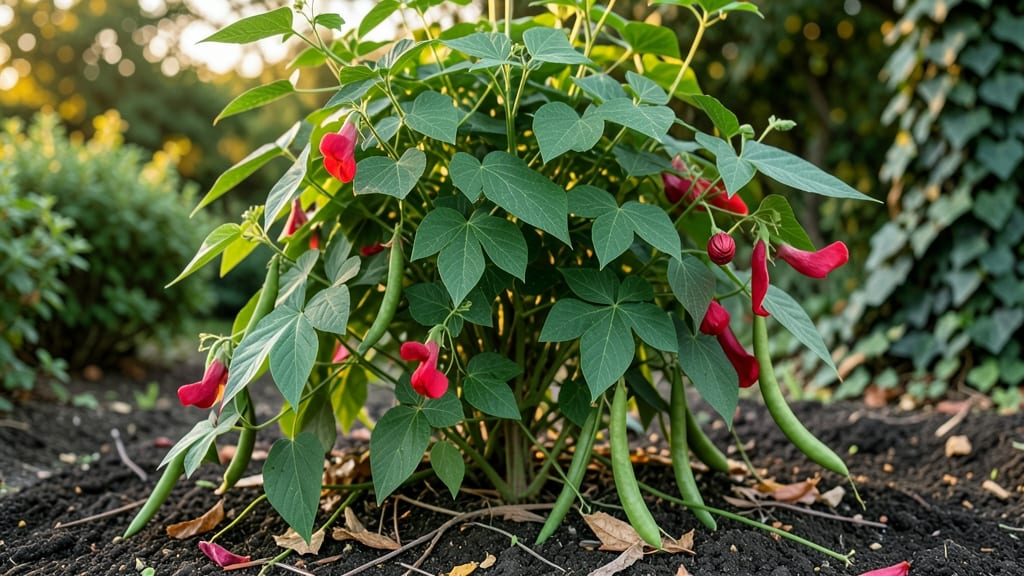
Scarlet runner bean flowers turn any fence or trellis into a vibrant vertical masterpiece, their bold red-orange blooms standing out like fireworks against green foliage. I planted my first vines last spring after seeing them at a neighbor’s garden—those dramatic flowers changed how I thought about climbing plants forever.
They’re not just pretty; they’re edible too, adding a peppery kick to salads or a striking garnish to summer dishes.
The secret to their year-round color starts with the right conditions: full sun, well-draining soil, and a sturdy trellis or fence for support. Unlike many flowers, these beans thrive in heat and even improve with age, producing more blooms each season.
You’ll need to plant seeds directly in the ground after the last frost, about an inch deep, and give them space—they can grow up to 10 feet tall if happy. Water consistently but let the soil dry slightly between drinks to prevent root rot.
What makes them special is their dual purpose: the flowers are stunning, but the beans themselves are delicious when harvested young and tender. Imagine fresh-picked pods stir-fried with garlic or dried for winter soups. Even the leaves can be cooked like spinach, though they’re best used sparingly.
The more you prune spent blooms, the more flowers you’ll encourage—just pinch off the faded ones to keep the plant focused on producing new ones.
Troubleshooting is easy once you know the signs: yellowing leaves often mean too much water, while sparse blooms could signal a need for more sunlight or fertilizer. Aphids might visit, but a strong spray of water usually sends them packing.
With minimal effort, you’ll have a showstopping climber that feeds your garden and your table. Ready to grow yours?
📚 In This Guide
- What you need
- Instructions
- Tips and common mistakes
- Wrapping up and next steps
What you need
- ● Scarlet runner bean seeds: 5–10 seeds (organic, non-GMO preferred for best results). Look for varieties like Phaseolus coccineus.
- ● Potting mix: 1–2 gallons of well-draining, organic potting soil (or a blend of 60% garden soil + 40% compost).
- ● Containers or garden bed: Containers: 5–10 gallon pots with drainage holes (for patio/balcony growing).
- ● Garden bed: Sunny spot with at least 6–8 hours of sunlight daily (south- or west-facing ideal).
- ● Support structure: Trellis (6–10 ft tall), arbor, or sturdy fence (scarlet runners climb 15–20 ft!).
- ○ Optional: Twine or soft ties for guiding vines (avoid wire, which can damage stems).
- ● Basic gardening tools: Trowel or small shovel for planting.
- ○ Garden gloves (optional but recommended—beans can be prickly!).
- ● Watering can or hose: With a gentle spray nozzle (overwatering is a common pitfall!).
- ○ Fertilizer (optional but helpful): Balanced organic fertilizer (e.g., 10-10-10) or compost tea for a nutrient boost.
- ● Pro tip: Too much nitrogen = leafy growth, fewer flowers! Use sparingly.
- ○ Mulch (optional): Straw or shredded leaves to retain moisture and suppress weeds.
- ● Pruning shears: For trimming leggy vines or deadheading spent blooms (encourages more flowers!).
- ● Hardiness: Scarlet runner beans thrive in USDA Zones 3–11. They’re annuals in cooler climates but may self-seed if conditions are right.
- ● Planting time: Cool climates: Sow seeds 2–3 weeks after the last frost (soil temp should be 60°F+).
- ● Warm climates: Plant in early spring or late summer to avoid heat stress.
- ● Soil temperature: Ideal for germination: 60–85°F.
How to grow stunning scarlet runner bean flowers
These vibrant climbers bring drama to any garden—here's how to coax their bold blooms year after year.
Choose the Perfect Planting Location
Scarlet runner beans crave full sun—at least 6-8 hours daily—for the most abundant blooms. I always pick the sunniest corner of my garden because these plants reward generous light with longer vines and brighter flowers. The soil should drain well, too; they hate soggy roots. If your garden has heavy clay, amend with 2-3 inches of compost before planting to improve drainage.
Pick a spot near a sturdy trellis, fence, or pergola. These beans can climb 10-15 feet in a single season, so secure your support structure before planting. I like to use wooden trellises because they blend naturally with the plant's rustic charm, but metal or nylon netting works just as well. Avoid planting near weak or flexible supports—they'll snap under the weight of mature vines.
Start Seeds Indoors or Direct-Sow After Frost
Scarlet runner beans need warmth to germinate, so I always start seeds indoors 4-6 weeks before the last frost date. Fill 2-inch deep seed-starting pots with moistened seed-starting mix, then plant 2-3 seeds per pot about 1 inch deep. Keep the soil warm (70-80°F) and moist until germination, which typically takes 7-14 days. If you're in a warm climate, you can direct-sow seeds after the soil reaches 60°F—just plant them 1 inch deep and 4-6 inches apart in rows.
Once seedlings sprout, thin them to the strongest plant per pot. If you direct-sow, thin seedlings to 3-4 inches apart once they reach 4 inches tall. This prevents overcrowding, which leads to weak stems and fewer flowers. I always label my seedlings because scarlet runner beans look similar to other bean varieties when young.
Transplant and Support Young Plants
After the last frost, transplant seedlings outdoors in the evening to reduce transplant shock. Space them 8-12 inches apart along the base of your trellis or support structure. Gently firm the soil around the roots but avoid compacting it too much—scarlet runner beans have deep roots and need loose soil to establish themselves.
As soon as the plants are 6-8 inches tall, start training them up the trellis. I use soft garden twine to loosely tie the main stem to the support. Avoid tying too tightly—you want the plant to grow, not strangle. Water deeply after transplanting to help the roots settle in. Keep the soil evenly moist but not waterlogged for the first 2 weeks to encourage strong root growth.
Feed and Maintain for Continuous Blooms
Scarlet runner beans are light feeders, but they benefit from a balanced fertilizer applied when flowers first appear. Use a 10-10-10 or 5-5-5 formula at half strength to avoid burning the plants. I mix 1 tablespoon of fertilizer into 1 gallon of water and apply it every 4-6 weeks during the growing season. Too much nitrogen will produce lots of leaves but few flowers—so skip heavy feeding if you want more blooms.
Water at the base of the plant in the morning to keep foliage dry, which helps prevent fungal diseases like rust. Mulch around the base with 2-3 inches of straw or shredded leaves to retain moisture and keep roots cool. Prune regularly to encourage bushier growth: pinch back the tips of young plants to promote branching, and remove any yellow or diseased leaves immediately. This keeps the plant healthy and ensures a steady supply of flowers.
Harvest and Extend the Blooming Season
Harvest flowers for arrangements in the early morning when they're fully open but still fresh. Cut stems at a 45-degree angle just above a leaf node to encourage more blooms. I like to place cut flowers in a bucket of cool water for a few hours before arranging—they last 5-7 days in a vase. To keep the plant flowering, deadhead spent blooms regularly. This redirects the plant's energy toward producing more flowers instead of pods.
In cooler climates, scarlet runner beans may stop flowering by late summer. To extend the season, prune back the vines by one-third after the first flush of blooms. This rejuvenates the plant and often triggers a second wave of flowers. In mild winters, the plants may even produce a few blooms in spring before new growth appears. With proper care, your scarlet runner beans can provide year-round color and drama in your garden.
Tips & tricks for perfect scarlet runner bean flowers
Here's what I learned after growing these showstoppers for years—simple tricks that make all the difference between a few flowers and a garden full of bold color.
Sunlight Secret: The 6-8 hours of full sun in Step 1 is non-negotiable for those vibrant blooms. I've seen plants in partial shade produce flowers, but they're pale and sparse. If your garden only gets 4-5 hours of sun, consider growing scarlet runner beans in containers and moving them to sunnier spots during peak sunlight hours. Trust me, the color difference is stunning.
Germination Hack: For those 7-14 days of germination waiting in Step 2, I've found that soaking seeds overnight in warm water before planting cuts germination time by nearly half. Just place seeds in a bowl of warm water for 12 hours, then plant as directed. This little trick gives you a head start and means you can enjoy those dramatic blooms sooner.
Support System: When training your 6-8 inch tall plants in Step 3, I recommend using a trellis with diamond-shaped openings rather than round ones. The plants naturally grow in a zig-zag pattern, and the diamond openings let the vines weave through more securely. This prevents the vines from slipping through and creates a more natural, lush look. Plus, it's easier to tie them up without damaging the stems.
Pruning Wisdom: In Step 4, when you're pinching back tips to encourage bushier growth, don't be afraid to get ambitious. You can actually pinch back up to one-third of the plant's height at once. This might seem drastic, but it triggers incredible branching and more flower production. Just do it early in the season when plants are young and resilient.
Pro Tips for Scarlet Runner Bean Flowers
- Here's what I learned after growing these showstoppers for years—simple tricks that make all the difference between a few flowers and a garden full of bold color.
- Sunlight Secret: The 6-8 hours of full sun in Step 1 is non-negotiable for those vibrant blooms.
- Germination Hack: For those 7-14 days of germination waiting in Step 2, I've found that soaking seeds overnight in warm water before planting cuts germination time by nearly half.
Frequently asked questions
When do scarlet runner bean flowers bloom?
Scarlet runner bean flowers typically bloom summer through fall, with peak color from July to September in most climates. In warmer regions, they may produce sporadic blooms year-round. Early flowers are often red, but later blooms can shift to yellow or orange as they age.
How fast do scarlet runner beans grow?
These vigorous climbers grow 6–10 feet per season! With proper trellising, they can reach 15+ feet in ideal conditions. Expect 1–2 feet of growth per month during active spring/summer months. Patience pays off—full blooms and beans take 3–4 months from planting.
What pests or diseases threaten scarlet runner bean flowers?
Common issues include:
- Aphids: Suck sap, causing curled leaves. Blast with water or use insecticidal soap.
- Bean beetles: Chew flowers/beans. Handpick or use neem oil.
- Powdery mildew: White fungal coating. Improve airflow and spray with baking soda mix (1 tsp/baking soda + 1 quart water).
Rotate crops yearly to prevent soil-borne diseases.
Can I grow scarlet runner beans in containers?
Yes! Use a 5-gallon+ pot with drainage holes and a trellis or cage for climbing. Choose a lightweight potting mix (add compost for nutrients). Place in full sun (6+ hours/day) and water consistently. Containers dry faster—check soil moisture daily in hot weather.
Are scarlet runner bean flowers edible?
While the flowers are edible (mild, slightly sweet), they’re best used sparingly in garnishes or teas. The beans are the star—harvest young pods (3–4 inches) for tender, nutty flavor. Note: Some varieties contain lectins; cook beans thoroughly to reduce anti-nutrients.
What’s a good alternative if I can’t grow scarlet runner beans?
Try these climbing, colorful alternatives:
- Nasturtiums: Edible flowers, fast-growing, pest-resistant.
- Sweet peas: Fragrant blooms, cooler-season friendly.
- Morning glories: Bold trumpet flowers, drought-tolerant.
- Pole beans (e.g., Kentucky Wonder): Similar height, edible pods.
All thrive on trellises and attract pollinators!
Wrapping up and next steps
The scarlet runner bean flower is a stunning, low-maintenance addition to any garden, offering vibrant blooms and a touch of tropical charm year-round.
Whether you're a seasoned gardener or just starting, these flowers bring joy with their bold colors and easy care—perfect for adding life and movement to your outdoor space. 🌸
Ready to transform your garden? Start by gathering your supplies, choosing the right location, and following the simple steps to plant and nurture these beauties. Your next step? Grab some seeds, get your hands dirty, and watch your garden come alive with these breathtaking climbers!