
Planting
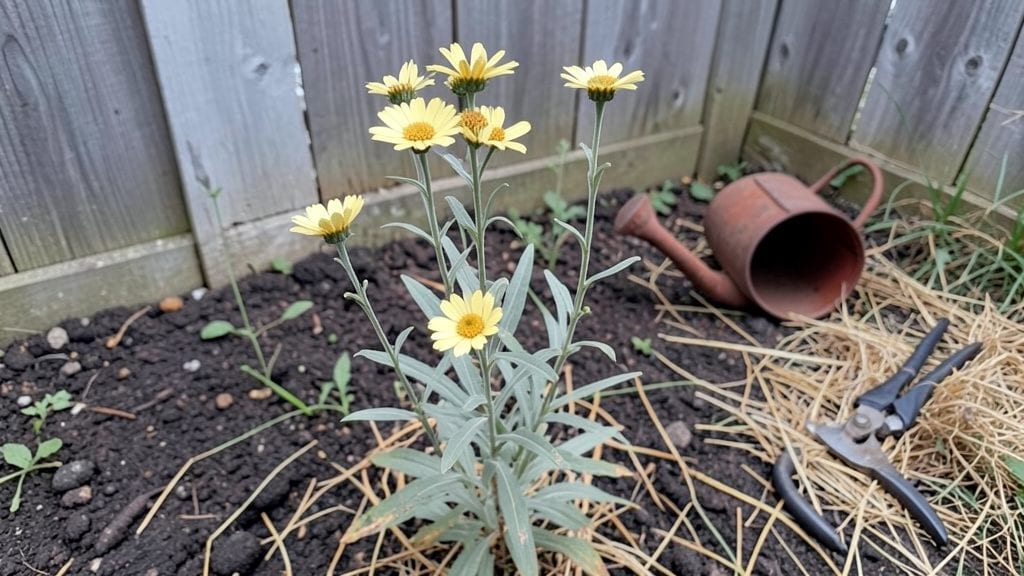
Mastering strawflower plant care guarantees frost-resistant blooms that last all season—no fuss, no wilting, just stunning color from summer to winter. 🌸 I learned the hard way that these papery flowers aren't your average annual; they thrive. with minimal care once you get the basics right.
The secret? Watering just enough to keep the soil lightly moist, never soggy, and giving them full sun to keep those blooms crisp and bright.
Strawflowers love well-draining soil and don’t mind poor conditions—perfect for beginners or forgetful gardeners. They’re drought-tolerant once established, so you won’t need to water daily. Just snip spent blooms to encourage more flowers, and watch your garden stay vibrant for months.
The best part? Their unique texture and long vase life make them a gardener’s dream for arrangements that last.
You’ll end up with a garden full of long-lasting blooms that hold their color even after frost. The flowers dry beautifully, too, so you can harvest them for winter arrangements.
Whether you’re growing them in pots or the ground, strawflowers are the low-maintenance star that keeps giving. Let’s get those plants thriving!
Works in containers, garden beds, or even as cut flowers—adaptable to any space. The key is patience; they grow slowly but reward you with months of color. Perfect for sunny spots where other plants might struggle. Ready to try them?
📚 In This Guide
- What you need
- Instructions
- Tips and common mistakes
- Wrapping up and next steps
What you need
- ● Strawflower plants: 3–5 young plants (bare-root or potted) for a vibrant display. Choose colors like gold, red, or pink!
- ● Well-draining soil: 5–10 gallons of a mix like cactus/succulent blend (or garden soil + perlite/sand, 60:40 ratio).
- ● Container or garden bed: Containers: 5–7" diameter pots (1 plant per pot) with drainage holes.
- ● Garden beds: Full sun (6+ hours/day) and space 12–18" apart.
- ● Watering can or hose with a gentle spray nozzle.
- ○ Balanced fertilizer: 10-10-10 or slow-release granules (optional but recommended for potted plants).
- ○ Gloves (optional—strawflowers have tiny thorns!).
- ● Pruning shears (for deadheading or shaping).
- ● Mulch (straw or gravel, 1–2 inches) to retain moisture and deter weeds.
- ○ Plant stakes or cages (optional, for tall varieties like ‘Moonwalk’).
- ● Drought-resistant companion plants (e.g., lavender or yarrow) for a pollinator-friendly garden.
Step-by-Step instructions for growing frost-resistant strawflowers
Here's the straightforward approach I use to keep strawflowers thriving through every season.
🌱 Step 1: Choose the Perfect Planting Location
Strawflowers love the sun and can handle frost like a champ. Pick a spot with at least 6 hours of direct sunlight daily—they'll reward you with bold blooms all season. I always plant mine in well-draining soil because soggy roots equal unhappy flowers. If your garden has heavy clay, mix in some compost to improve drainage.
Here's the thing—strawflowers are drought-tolerant once established, but they need consistent moisture during their first few weeks. Water deeply once a week until the soil feels dry 2 inches down. You'll know you've got it right when the soil looks slightly damp but not wet.
💧 Step 2: Plant With Proper Spacing and Support
Strawflowers grow 12-24 inches tall, so give them space to stand tall. Plant each stem 12-18 inches apart to prevent overcrowding. I always dig a hole twice as wide as the root ball but no deeper—this encourages strong root growth right away.
If you're growing strawflowers in a garden bed, you can skip support. But if you're planting them in containers or along fences, add a small stake or cage now. Strawflowers are sturdy, but their blooms can get heavy, and they'll lean toward the sun if unsupported. Bury the stake halfway up and tie the stems loosely with soft plant ties as they grow.
☀️ Step 3: Water and Fertilize for Long-Lasting Blooms
Once your strawflowers are established, they're pretty low-maintenance. Water them deeply every 7-10 days—they prefer dry conditions over soggy soil. You'll see the difference when the leaves stay crisp and the blooms last longer. I always water in the morning so the foliage has time to dry before evening.
Feed your strawflowers with a balanced, slow-release fertilizer in early spring and again after the first flush of blooms. I use a 10-10-10 mix because strawflowers don't need heavy feeding. Over-fertilizing leads to lush foliage but fewer flowers—that's the last thing you want with these showstoppers.
✂️ Step 4: Deadhead and Prune for Continuous Blooming
This is where strawflowers really shine—they keep blooming all season if you give them a little help. Deadhead spent blooms by snipping the stem just above a set of leaves or a new bud. I do this every 2-3 weeks during peak bloom time, and it encourages fresh flowers to open up.
If your strawflowers start to look leggy or overgrown, give them a light trim. Cut back the stems by one-third in early summer to promote bushier growth. You'll notice new shoots forming within a few weeks—that's your signal everything is working.
⏰ Step 5: Prepare for Winter and Next Season
Strawflowers are frost-resistant, but they do best with a little winter protection. After the first frost, cut back the stems to 4-6 inches tall and mulch the base with 2-3 inches of straw or shredded leaves. This keeps the roots cozy and ready to burst into bloom come spring.
I always mark the spot where I planted strawflowers so I don't accidentally dig them up in the spring. They'll often reseed themselves, so you might find new plants popping up in the same spot next year. Just thin them out to give each plant enough room to shine.
Tips & tricks for perfect strawflower plant care
These simple secrets will help your frost-resistant strawflowers thrive all season long—no green thumb required!
Sunlight Secret: While strawflowers love their 6 hours of daily sun in Step 1, they can actually handle up to 8-10 hours without stress. I've had them flourish in full sun all day, but watch for wilting in extreme afternoon heat—morning sun with afternoon shade works beautifully in hot climates. The key is consistent sunlight exposure, not necessarily continuous blazing rays.
Soil Test Tip: Before planting, do this quick soil check: Dig a small hole and fill it with water. If it drains within 10 minutes, your soil is perfect. If it takes longer, mix in 2-3 inches of coarse sand or perlite to improve drainage. Strawflowers hate soggy feet—this simple test prevents root rot before it starts.
Watering Wisdom: That once-a-week watering in Step 1 is perfect for established plants, but new transplants need 2-3 times per week until they're rooted. Here's the pro move: Water at the base (not overhead) to prevent fungal diseases. I use a soaker hose for 10 minutes—it delivers just the right amount without wetting the leaves.
Pruning Payoff: When you cut back stems by one-third in Step 4, don't toss those cuttings! Dry them thoroughly, then crush them into powder for a natural strawflower fertilizer. The dried blooms release nutrients back into the soil, giving your plants a second wind. It's like free plant food that smells amazing!
Pro Tips for Strawflower Plant Care
- These simple secrets will help your frost-resistant strawflowers thrive all season long—no green thumb required!
- Sunlight Secret: While strawflowers love their 6 hours of daily sun in Step 1, they can actually handle up to 8-10 hours without stress.
- Soil Test Tip: Before planting, do this quick soil check: Dig a small hole and fill it with water.
Frequently asked questions
Can strawflowers survive frost?
Strawflowers are frost-resistant and can handle light freezes down to 20°F (-6°C). For extra protection in harsh winters, mulch the base with straw or leaves. Their papery blooms even retain color after frost, making them a win for late-season gardens.
How often should I water strawflowers?
Strawflowers are drought-tolerant once established, but young plants need moderate watering (about 1 inch per week). Let the soil dry out between waterings to prevent root rot. In containers, check moisture daily—overwatering is their biggest enemy!
Why aren’t my strawflowers blooming?
Blooms may lag due to over-fertilizing (they thrive in lean soil) or lack of sunlight (6+ hours daily is ideal). Deadhead spent flowers to encourage reblooming, and prune leggy stems in early spring. If planted in shade, relocate to a sunnier spot for better results.
Can I grow strawflowers in containers?
Yes! Use a well-draining potting mix and a container with drainage holes. Choose compact varieties like ‘Moulin Rouge’ for pots. Water consistently until roots establish, then reduce frequency. Containers also let you move plants indoors before frost for extended blooms.
What pests should I watch for?
Strawflowers are pest-resistant, but keep an eye out for aphids or spider mites in dry conditions. Spray infested areas with neem oil or rinse off pests with water. Healthy plants rarely attract pests, so focus on proper watering and sunlight.
Wrapping up and next steps
Caring for a strawflower plant is a rewarding journey that brings vibrant, long-lasting blooms to your garden with minimal fuss! With its frost-resistant nature and easygoing care requirements, this beauty thrives even in less-than-ideal conditions.
Whether you're a seasoned gardener or just starting out, these tips will help you enjoy stunning, seasonal color year after year.
Ready to level up your garden game? 🌸 Start by planting your strawflower today—then sit back and admire the effortless elegance it brings! For extra inspiration, explore creative ways to use strawflowers in bouquets or dried arrangements.