
Flowers
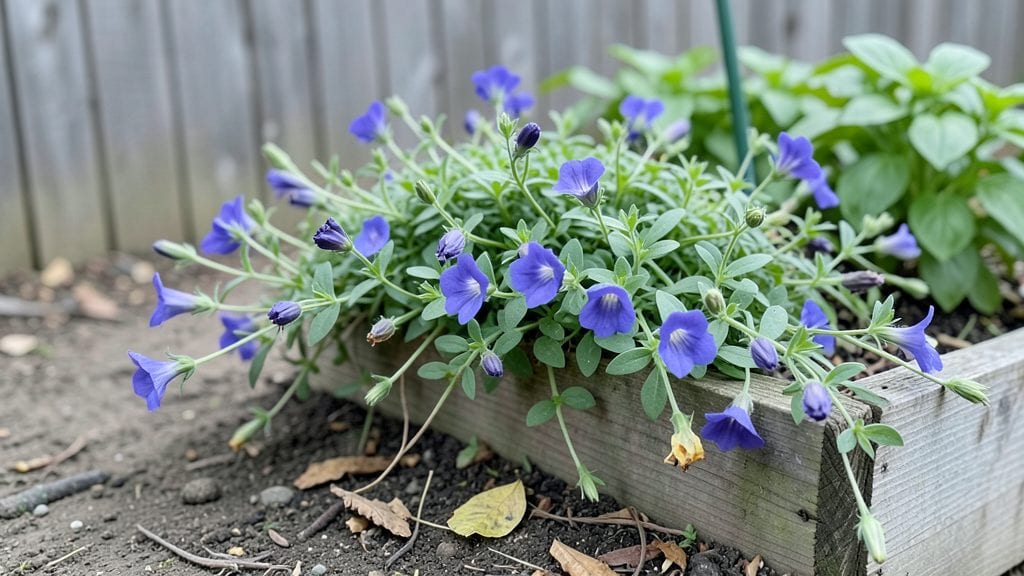
Sweet Annie’s flowers aren’t just another pretty face in the Pacific Northwest garden—they’re the bold statement that turns heads and hummingbirds into regulars by mid-summer. 🌿 That silvery-green foliage and cheerful yellow blooms create a striking contrast that works in borders, herb gardens, or as a pollinator magnet in any sunny spot.
The real magic happens when you pair it with native companions like beebalm or lavender—the bees can’t resist both. Sweet Annie thrives in full sun to partial shade, making it perfect for dry slopes or container gardens where other plants might struggle.
Its late-summer to fall interest keeps the garden lively when many perennials are winding down.
Imagine a border where Sweet Annie’s airy stems sway against deep purple salvia or bright red columbine—the contrast is jaw-dropping. It’s also drought-tolerant once established, so it’s a low-maintenance star for busy gardeners who still want drama.
The best part? It’s as at home in a cottage-style garden as it is in a modern pollinator patch.
For maximum impact, plant it in groups of three or five—odd numbers create natural movement in the landscape. The silvery foliage even adds texture to winter gardens if you leave the stems standing. Ready to make your garden the talk of the neighborhood? Let’s talk placement and pairings next.
📚 In This Guide
- What you need
- Instructions
- Tips and common mistakes
- Wrapping up and next steps
What you need
- ● Seeds: Artemisia annua (Sweet Annie) seeds—start with 50-100 seeds for a small patch or 500+ seeds for a larger pollinator-friendly garden.
- ● Soil: Well-draining, sandy loam or clay-loam soil (pH 6.0–7.5). Amend with compost for nutrient-rich growth.
- ● Sunlight: Full sun exposure (6+ hours/day)—these flowers thrive in bright, open spaces.
- ● Water: Consistent moisture (especially during germination), but avoid waterlogging.
- ○ Fertilizer (optional but helpful): Balanced 10-10-10 NPK fertilizer or organic compost tea to boost growth.
- ● Garden tools: Trowel, pruners, and gloves for planting and maintenance.
- ● Containers (if starting indoors): Seed trays or small pots with drainage holes.
- ● Mulch: Organic mulch (straw or wood chips) to retain moisture and suppress weeds.
- ● Pollinator-friendly companions: Native PNW plants like Eschscholzia californica (California poppy) or Achillea millefolium (yarrow) to attract bees and butterflies.
- ● Drip irrigation system for automated watering.
- ● Pest deterrents (neem oil or companion planting with Allium species).
- ● Decorative stakes or trellises if growing Sweet Annie as a tall, ornamental feature.
How to cultivate Sweet Annie's flowers for maximum pollinator impact
Sweet Annie's (Artemisia annua) thrives in the Pacific Northwest's climate—here's how to grow it boldly for pollinators.
🌱 Step 1: Select the Perfect Site for Sun and Soil
Sweet Annie demands full sun exposure (6-8 hours daily)—choose a south-facing spot where it won’t compete with taller plants. In the PNW’s damp climate, prioritize well-draining soil: mix 1 part sand into 2 parts native soil to prevent root rot. The ideal site has loose, slightly alkaline soil (pH 7.0-8.0), which you can test with a soil kit or amend with crushed limestone if needed.
I always clear the area of weeds first—Sweet Annie’s aggressive roots will outcompete anything else. Loosen the top 6 inches of soil with a garden fork, breaking up compacted layers. This plant rewards patience: once established, it self-seeds prolifically, creating a pollinator magnet that lasts for years.
☀️ Step 2: Plant at the Right Time and Spacing
Start seeds indoors 8-10 weeks before your last frost date (typically mid-March for the PNW) or sow directly outdoors after soil warms to 55°F. Direct sowing is easier—scatter seeds ¼ inch deep and space them 18-24 inches apart in rows 2 feet apart. Sweet Annie’s fuzzy foliage grows dense, so crowding leads to disease.
Here’s the thing—Sweet Annie’s germination is slow (up to 3 weeks), so don’t overwater. Keep the soil consistently moist but never soggy. Once seedlings reach 3 inches tall, thin to the strongest plant per spot. You’ll know it’s thriving when new growth appears within 2 weeks of thinning.
💧 Step 3: Water Deeply and Prune for Bushier Growth
Water deeply once weekly (about 1 inch of water) during establishment, then taper to every 10-14 days once roots are deep. Sweet Annie’s drought tolerance kicks in after the first year, but young plants need consistent moisture. Water at the base in the morning to prevent fungal issues—wet leaves invite powdery mildew in the PNW’s humid summers.
Prune back one-third of the plant in early summer to encourage bushier, more pollinator-friendly growth. Use clean, sharp shears and cut just above a leaf node. This step is critical: unpruned plants grow leggy and produce fewer flowers. You’ll see new side shoots emerge within 7-10 days—that’s your cue it’s working.
✂️ Step 4: Deadhead and Extend the Blooming Season
Sweet Annie’s tiny yellow blooms appear in late summer to fall, but they need deadheading to prolong flowering. Snip spent flower heads weekly using finger-pruning or small scissors. This redirects energy to new blooms, extending the season by 4-6 weeks. The plant’s aromatic foliage also attracts pollinators year-round, so never cut back more than 20% of the plant at once.
In the PNW, Sweet Annie often self-seeds aggressively. If you want to control spread, remove seed heads before they brown. If you’re happy with naturalization, leave them—you’ll get a stunning, low-maintenance pollinator meadow. Just watch for volunteer plants popping up in spring; they’re easy to transplant or share with neighbors.
🪴 Step 5: Overwinter and Protect for Next Year
Sweet Annie is perennial in USDA zones 5-9, but the PNW’s wet winters can damage young plants. Mulch established plants with 3 inches of straw or shredded leaves after the first frost to insulate roots. For first-year plants, add a lightweight row cover if your winters dip below 20°F.
In early spring, remove mulch and prune back half the plant to stimulate fresh growth. You’ll see new shoots by late April, signaling it’s ready for another season of pollinator support. Sweet Annie’s resilience makes it a PNW staple—once it’s happy in your garden, it’ll thrive with minimal effort.
Tips & tricks for cultivating Sweet Annie's flowers
Sweet Annie's unique needs can feel tricky at first, but these insider tips will help you create a thriving pollinator haven that rivals any commercial garden.
Site Selection Secrets: The 6-8 hours of daily sun requirement is non-negotiable, but here's the thing—morning sun is more important than afternoon in the PNW's damp climate. Position your plants to catch that early sunlight, which helps dry dew quickly and prevents fungal issues. I always check for at least 6 hours of direct sun between 8am-12pm, even if afternoon sun is filtered through trees. This morning focus makes all the difference in preventing powdery mildew, which is Sweet Annie's biggest enemy.
Germination Strategy: That up to 3-week germination window can feel like an eternity, but don't be tempted to overwater during this time. I've learned the hard way that soggy soil actually slows germination—keep the soil consistently moist by watering at the base every 3-4 days, using a spray bottle for fine misting. The key is maintaining even moisture without creating puddles. Once those first tiny leaves appear, you'll know you've got patience rewarded with a plant that's ready to thrive.
Pruning Precision: When you prune back one-third of the plant in early summer, focus on removing the oldest, leggiest growth first. This isn't just about aesthetics—you're creating more leaf nodes that will produce flowers. I always use clean shears and make cuts just above a leaf node at a 45-degree angle to encourage faster regrowth. The 7-10 day window for new shoots to appear is your confirmation that the pruning worked. This technique transforms Sweet Annie from a tall, sparse plant into a bushy, pollinator magnet.
Deadheading Technique: The weekly deadheading schedule might seem tedious, but here's the breakthrough: use finger-pruning for small plants and small scissors for established ones. Pinch off just above the first set of leaves below the flower head—this redirects energy to new growth while maintaining the plant's shape. I've found that doing this every 5-7 days (instead of weekly) gives me even longer blooming seasons. The aromatic foliage remains attractive to pollinators year-round, making your garden a true wildlife oasis.
Pro Tips for Sweet Annie'S Flowers
- Sweet Annie's unique needs can feel tricky at first, but these insider tips will help you create a thriving pollinator haven that rivals any commercial garden.
- Site Selection Secrets: The 6-8 hours of daily sun requirement is non-negotiable, but here's the thing—morning sun is more important than afternoon in the PNW's damp climate.
- Germination Strategy: That up to 3-week germination window can feel like an eternity, but don't be tempted to overwater during this time.
Frequently asked questions
Got questions about Sweet Annie’s Flowers? You’re not alone! This stunning Pacific Northwest native is a favorite among gardeners, pollinators, and eco-conscious plant lovers. Here are some of the most common questions—and answers—to help you grow, care for, and enjoy these bold blooms like a pro.
What’s the best time to plant Sweet Annie’s Flowers in my region?
Sweet Annie’s Flowers (Artemisia annua) thrive in the Pacific Northwest’s mild climate. Plant seeds in early spring (March–April) or late summer (August–September) for fall blooms. Avoid planting in late fall—cold soil can stunt germination. If starting indoors, sow seeds 6–8 weeks before the last frost for a head start!
Are Sweet Annie’s Flowers really good for pollinators like bees and butterflies?
While Sweet Annie’s Flowers aren’t a primary nectar source (they’re more medicinal than ornamental for pollinators), their late-season blooms (July–October) provide critical support when other flowers fade. Pair them with coneflowers, bee balm, or lavender to create a pollinator paradise. Just avoid spraying pesticides—bees love these hardy plants!
How often should I water Sweet Annie’s Flowers, and do they need special soil?
These drought-tolerant darlings hate soggy soil! Water deeply 1–2 times per week once established (adjust for rain). They prefer well-draining, slightly alkaline soil (pH 6.0–7.5). Amend heavy clay with compost or sand. Pro tip: Mulch around the base to retain moisture and suppress weeds—just keep mulch away from the stem to prevent rot.
Why aren’t my Sweet Annie’s Flowers blooming this year?
No blooms? Don’t panic! Common culprits include:
- Over-fertilizing: Too much nitrogen = leafy growth, no flowers. Use a low-phosphorus fertilizer (like 5-10-5) or skip it entirely.
- Poor sunlight: They need full sun (6+ hours/day). Move to a sunnier spot if possible.
- Young plants: First-year seedlings focus on roots. Blooms usually appear year two.
- Stress: Drought or pests (like aphids) can delay flowering. Check leaves for damage!
Can I grow Sweet Annie’s Flowers in containers, or do they need a garden bed?
Yes! These adaptable plants thrive in containers 12+ inches deep with drainage holes. Use a lightweight potting mix (add perlite for aeration) and place in a sunny spot. Just water more frequently than in-ground plants—containers dry out faster. Bonus: Container-grown Sweet Annie’s Flowers make stunning herbal arrangements or companion plants for veggie gardens (they deter pests naturally!).
Wrapping up and next steps
Sweet Annie’s flowers aren’t just a vibrant spectacle—they’re a lifeline for pollinators in the Pacific Northwest. With their striking orange plumes and hardy resilience, these blooms prove that beauty and biodiversity go hand in hand.
Whether you’re a gardener, eco-warrior, or simply a flower lover, planting Sweet Annie is a simple yet powerful way to support local ecosystems.
Ready to take action? Start by adding a patch of Sweet Annie to your garden this season—your bees, butterflies, and future blooms will thank you! 🌸🐝