
Companion Plants
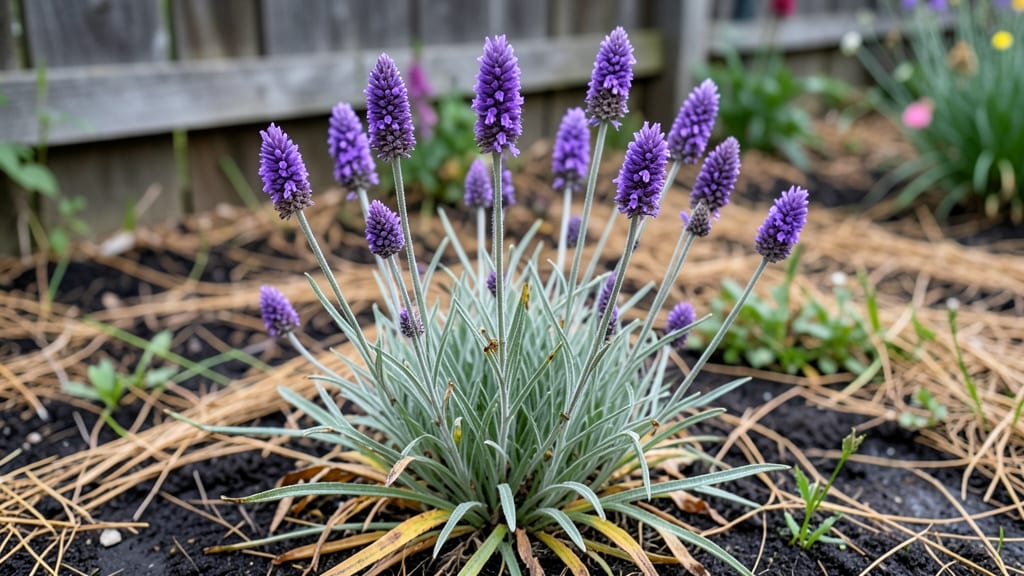
There's nothing quite like the tall grass plant with purple flowers swaying in late summer breezes—it’s the Pacific Northwest’s secret weapon for attracting hummingbirds while adding drama to any garden. 🌿 I’ll never forget the first time I spotted a Miscanthus sinensis glowing purple in my neighbor’s yard, its feathery plumes dancing like wind chimes.
That moment changed how I design borders and meadows forever.
The real magic happens when you pair these grasses with native wildflowers like Echinacea or Pennisetum—suddenly, your garden becomes a hummingbird highway.
They thrive in partial shade, need minimal fuss, and deliver season-long interest: golden stems in winter, soft green foliage in spring, and those showstopping purple blooms by August. Perfect for prairie-style gardens, woodland edges, or even as a bold statement in containers.
You’ll watch bees, butterflies, and hummingbirds flock to your space, all while creating a textural masterpiece that moves with the wind. The purple hues contrast beautifully with silver foliage or deep green shrubs, and the vertical lines add height where needed.
This isn’t just a plant—it’s a year-round conversation starter that keeps giving long after the blooms fade.
Whether you’re filling a sunny border or softening a shady corner, these grasses adapt effortlessly. Pair them with salvia, coneflowers, or even hostas for a layered look that feels both wild and intentional. Let’s make your garden the talk of the neighborhood—one swaying plume at a time.
📚 In This Guide
- What you need
- Instructions
- Tips and common mistakes
- Wrapping up and next steps
What you need
- ● Seeds or nursery-grown plants: 3–5 Elymus glaucus or Miscanthus plants (check local PNW nurseries for native varieties).
- ● Well-draining potting mix: 1–2 bags (5–10 cubic feet) of cactus/succulent mix or amend garden soil with 1 part perlite/sand per 3 parts soil.
- ● Garden space: Sunlight: Full sun (6+ hours/day).
- ● Space: 3–5 feet tall × 2–3 feet wide per plant (or larger for Miscanthus varieties).
- ● Watering can or hose: With a gentle spray nozzle (avoid overwatering!).
- ● Organic fertilizer: Balanced 10-10-10 or slow-release granules (1–2 tbsp per plant, 2x/year).
- ● Garden gloves: For handling dry, sharp grass blades.
- ● Pruning shears: Sharp, bypass-style (for trimming in late winter).
- ● Mulch (straw or bark): 2–3 inches thick to retain moisture.
- ○ Stakes or trellis: For windy PNW sites (optional for Miscanthus).
- ● pH test kit: Ideal soil pH: 6.0–7.0 (adjust with lime/sulfur if needed).
- ● ✨ Native tip: Pair with Achillea (yarrow) or Penstemon for a hummingbird buffet!
- ● 🌡️ Cold-hardy: These plants thrive in USDA Zones 4–9—no fuss in the PNW’s chilly winters!
- ● 🔥 Drought-tolerant: Once established, water deeply 1–2x/week (less in winter).
Step-by-Step guide to cultivating tall purple-flowering grasses for hummingbirds
Here's how to grow these striking Northwest natives that bring life and color to any garden.
🌱 Step 1: Select the Right Grass Species for Your Climate
Pacific Northwest gardens thrive with native grasses like Purple Lovegrass (Eragrostis spectabilis) or Muhlenbergia rigens (Deer Grass), both of which produce stunning purple flower plumes. Check your hardiness zone—most tall ornamental grasses prefer USDA Zones 5-9 and tolerate partial shade but bloom best in full sun. I always verify the species' mature height (typically 3-6 feet) to ensure it fits my garden design.
Purchase healthy nursery starts rather than seeds for faster establishment. Look for plants with firm stems and vibrant new growth—avoid those with yellowing leaves or dry flower stalks. The key here is selecting disease-resistant varieties, as some grasses can develop fungal issues in damp Northwest summers.
☀️ Step 2: Prepare the Planting Site for Optimal Growth
Choose a location with well-draining soil—these grasses hate soggy roots. Amend heavy clay soil with 2-3 inches of compost and a handful of sand to improve drainage. I like to test soil pH (ideal range is 6.0-7.0) because acidic conditions can stunt growth. Mark the planting area with stakes to visualize the mature spread (most grasses spread 2-3 feet wide).
Dig holes twice as wide as the root ball but only as deep. Gently remove the plant from its container and tease apart any circling roots—this encourages outward growth. The top of the root ball should sit just below soil level to prevent crown rot. Water deeply before backfilling to eliminate air pockets.
💧 Step 3: Establish Proper Watering and Fertilization Routine
Water newly planted grasses deeply once a week for the first month to encourage root establishment. After that, reduce to every 10-14 days unless experiencing extreme heat or drought. The soil should be dry 2 inches down between waterings—stick your finger in to check. Overwatering is the fastest way to kill these plants in our rainy climate.
Fertilize lightly in early spring with a balanced 10-10-10 formula (about ½ pound per 100 square feet). Too much nitrogen produces lush foliage but weak stems that flop. I skip fall fertilization entirely—these grasses go dormant naturally and don't need winter feeding. The goal is strong stems that support those heavy purple flower plumes.
✂️ Step 4: Prune for Winter Dormancy and Spring Renewal
When flower stalks turn brown in late fall, cut them back to 4-6 inches above ground with clean pruners. This prevents disease buildup and makes room for fresh spring growth. I always prune after the first hard frost when the plant is fully dormant. Never remove more than ⅓ of the plant in one cutting—this stresses the crown.
In early spring, remove any dead or damaged growth before new shoots emerge. The plant will tell you when it's ready—you'll see bright green growth pushing through the old foliage. This is your cue to stop pruning and let the plant focus on establishing its summer display. The first year's flowers may be modest, but subsequent years reward patience with dramatic 3-6 foot plumes.
🪴 Step 5: Create Hummingbird-Friendly Habitats Around Your Grasses
Hummingbirds love these grasses for their nectar-rich flowers and the insects they attract. Plant companion flowers like bee balm (Monarda) or salvia nearby to create a continuous food source. I always include a shallow water feature—hummingbirds need fresh water daily and will visit frequently if available.
Leave some seed heads standing through winter—they provide food for birds and shelter for beneficial insects. The grasses' upright habit makes them perfect perches. Position your planting where you can watch from indoors—you'll be amazed how quickly hummingbirds discover these purple flower magnets in your garden.
Tips & tricks for perfect purple-flowering grasses
These practical insights will help you cultivate showstopping grasses that hummingbirds can't resist—without the common pitfalls.
Species Selection: When choosing between Purple Lovegrass and Deer Grass, consider Deer Grass's slightly taller stature (up to 6 feet) if you want dramatic vertical impact. Purple Lovegrass typically reaches 3-4 feet, making it ideal for mixed borders. I always check the mature height against my garden design—nothing worse than a grass outgrowing its space! For our Northwest climate, both species thrive in Zones 5-9, but Deer Grass handles partial shade slightly better if your site gets afternoon shade.
Soil Prep Strategy: The 2-3 inches of compost and sand amendment in Step 2 is non-negotiable for our heavy clay soils. I like to add a handful of perlite to the mix for extra drainage—it prevents that dreaded crown rot that can kill these plants. For pH testing, grab a simple soil test kit from your local garden center. If your soil tests below 6.0, add pelletized lime according to package instructions before planting. The goal is creating that sweet spot between 6.0-7.0 where these grasses truly thrive.
Watering Wisdom: That first month of weekly deep watering is critical for root establishment, but here's what nobody tells you: use a rain gauge or tuna can to measure exactly 1 inch of water each time. Our Pacific Northwest summers can be deceptive—what feels like enough rain might actually be too little. After the first month, let the soil dry to 2 inches down between waterings, but don't let it get bone-dry. These grasses are drought-tolerant once established, but they won't reach their full purple flowering potential without consistent moisture during their first growing season.
Pruning Precision: The 4-6 inch cutback in late fall might seem drastic, but trust me on this—it's worth it. Use clean, sharp pruners to avoid tearing the stems, and make your cuts at a 45-degree angle just above a leaf node. This encourages new growth from the base next spring. I always prune after the first hard frost when the plant is fully dormant—this prevents disease transmission that can occur when cutting live tissue. For the spring cleanup, remove only the dead growth you see at the surface; the plant will tell you when it's ready with those bright green shoots pushing through.
Pro Tips for Tall Grass Plant With Purple Flowers
- These practical insights will help you cultivate showstopping grasses that hummingbirds can't resist—without the common pitfalls.
- Species Selection: When choosing between Purple Lovegrass and Deer Grass, consider Deer Grass's slightly taller stature (up to 6 feet) if you want dramatic vertical impact.
- Soil Prep Strategy: The 2-3 inches of compost and sand amendment in Step 2 is non-negotiable for our heavy clay soils.
Frequently asked questions
Got questions about that stunning tall grass plant with purple flowers—likely Elymus glaucus (Blue Wild Rye) or Miscanthus sinensis (Maiden Grass)? Here are answers to the most common ones!
What’s the best time to plant this tall grass with purple flowers?
For Miscanthus, plant in early spring or fall when soil temps are cool (50–70°F). Elymus glaucus thrives in spring or early summer—just avoid extreme heat. Both prefer well-draining soil and 6+ hours of sunlight daily. Pro tip: Water deeply after planting to help roots establish!
Why aren’t hummingbirds visiting my purple-flowering grass?
Hummingbirds love Miscanthus’s feathery plumes and Elymus’s seed heads, but they need bright, tubular flowers for nectar. Pair yours with bee balm, columbine, or honeysuckle to create a hummingbird buffet! Also, ensure no pesticides are used—hummingbirds are sensitive to chemicals. Bonus: Plant near water sources (like a fountain) to attract them faster!
How do I protect this plant from winter damage in the PNW?
Most tall grasses are hardy to USDA Zone 5–9, but Miscanthus benefits from a light mulch layer (2–3 inches) in harsh winters. Cut back dead foliage in late winter/early spring (before new growth emerges) to prevent rot. Elymus glaucus is drought-tolerant but may need occasional watering in dry PNW summers. Pro move: Leave seed heads for winter interest—they’re stunning in snow!
Can I grow this in containers or small gardens?
Miscanthus (especially dwarf varieties like ‘Malepartus’) thrives in 15+ gallon containers with fast-draining mix. Elymus glaucus stays compact (3–4 ft tall) and works well in large pots or raised beds. Use terracotta or fabric pots for better drainage. Design tip: Group with sedum, heuchera, or ornamental grasses for a textured, low-maintenance look.
What pests should I watch for with purple-flowering grasses?
Keep an eye out for Japanese beetles, aphids, or spider mites—they love tender new growth. Blast them off with water or use neem oil for organic control. Miscanthus can also attract deer or rabbits; use repellent sprays or physical barriers if needed. Prevention tip: Plant rosemary or lavender nearby—their scent deters pests naturally!
Wrapping up and next steps
From its striking purple blooms to its role as a hummingbird magnet, the tall grass plant with purple flowers is a standout addition to any Pacific Northwest garden.
Whether you're drawn to its pollinator-friendly appeal or its low-maintenance charm, this beauty brings both color and life to your outdoor space. 🌸
Ready to invite more hummingbirds and butterflies into your yard? Start by planting a few near your patio or garden beds—your local ecosystem (and your future visitors) will thank you! Happy gardening! ✨