
Size
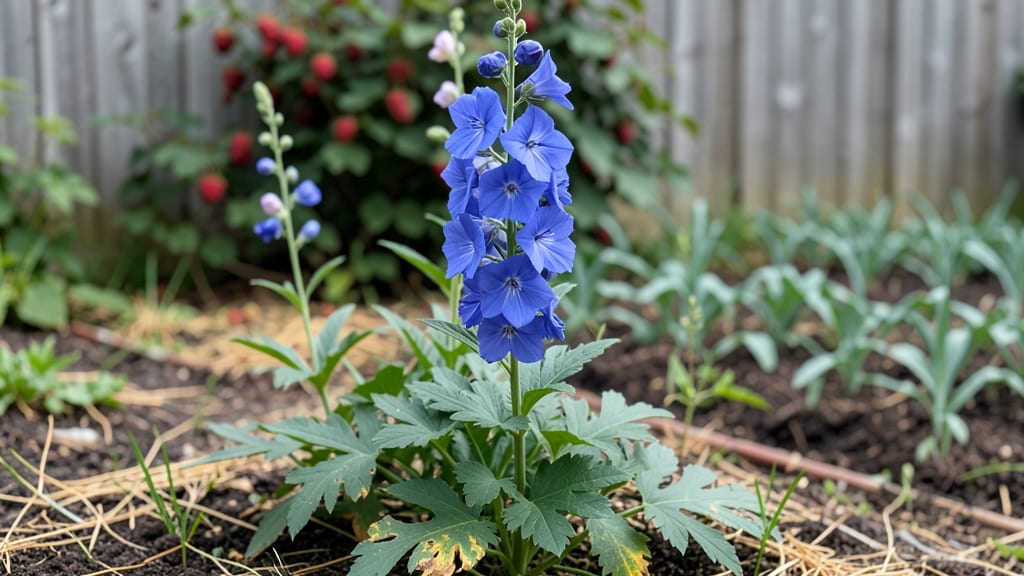
Tall spike flowers instantly transform flat gardens into dramatic vertical masterpieces—think delphiniums shooting skyward or ornamental grasses swaying like natural skyscrapers. 🌿 I remember planting a row of snapdragons last summer, and how they turned a boring fence line into a living sculpture that neighbors kept admiring.
The secret isn't just their height but how they draw the eye upward, making even small spaces feel grand.
These plants thrive in full sun to partial shade, with most varieties reaching 4 to 7 feet—perfect for borders, focal points, or mixed beds. Delphiniums add bold blues and purples, while grasses like Miscanthus bring airy texture.
The key is spacing them 12 to 24 inches apart so their spikes don’t crowd each other, letting each plant shine. You’ll see the difference immediately when they’re grouped with shorter perennials like coneflowers or salvias.
By mid-summer, your garden will feel like a living canvas, with spikes catching the light and creating movement even on still days. The best part? They pair effortlessly with almost anything—try them behind roses for contrast or in front of shrubs to lead the eye upward.
Once established, they’re low-maintenance, just needing occasional deadheading to keep them blooming until frost.
For cold climates, choose hardy varieties like Russian sage or switchgrass, while warmer zones can experiment with towering cannas or gladiolas. The possibilities are endless, and the visual payoff is instant. Start small with a single clump, and watch how it elevates your entire garden design.
📚 In This Guide
- What you need
- Instructions
- Tips and common mistakes
- Wrapping up and next steps
What you need
- ● Tall spike flowers: Choose from varieties like Delphiniums, Foxgloves, Hollyhocks, or Snapdragons. Opt for mature plants (1–2 ft tall) or seedlings (6+ inches) for best results.
- ● Well-draining soil: Mix 1 part garden soil with 1 part compost (or use pre-mixed potting soil for containers). Tall spikes thrive in loose, nutrient-rich soil!
- ● Fertilizer: A balanced, slow-release granular fertilizer (10-10-10 or 20-20-20) or organic compost tea for a natural boost.
- ● Support structures: Stakes or bamboo poles (5–6 ft tall, ½-inch diameter) for individual plants.
- ● Florist wire or twine (for gentle tying).
- ○ Trellises or cages (optional, for clustered planting).
- ● Garden trowel or hand shovel (for planting).
- ● Pruning shears (sharp, for trimming dead blooms or shaping).
- ● Watering can or hose with a gentle spray nozzle (avoid overhead watering to prevent mildew).
- ○ Gloves (optional, for handling prickly stems like Hollyhocks).
- ● Sunlight access: Full sun (6+ hours/day) is a must for most tall spike varieties.
- ● Watering schedule: Keep soil consistently moist (not soggy) during growth. Reduce watering once established.
- ● Mulch (2–3 inches of shredded bark or straw) to retain moisture and suppress weeds.
- ● Slow-release plant food (apply mid-season for a second bloom boost).
- ● Decorative accents like garden flags or solar-powered lights to highlight your vertical display.
- ● Companion plants: Pair with low-growing perennials (e.g., Salvia or Lavender) to frame your spikes.
How to design stunning vertical focal points with tall spike flowers
Creating drama in your garden doesn’t require acres of space—just strategic placement of towering blooms.
🌱 Step 1: Select the Right Tall Spike Varieties for Your Climate
Start by choosing drought-tolerant perennials like Joe Pye weed (Eutrochium purpureum), Russian sage (Perovskia atriplicifolia), or canna lilies (Canna indica) for their 5-7 foot vertical reach. Annuals like gladiolus or delphinium offer seasonal impact but require replanting yearly. I always check USDA hardiness zones—Joe Pye weed thrives in zones 4-9, while Russian sage handles zones 5-9 with minimal fuss.
For humid climates, opt for black-eyed Susan (Rudbeckia fulgida) or switchgrass (Panicum virgatum), which resist fungal diseases. In arid regions, desert marigold (Baileya multiradiata) or yarrow (Achillea millefolium) deliver bold vertical lines with low water needs. Group them in odd-numbered clusters (3, 5, or 7 plants) to create natural balance—this prevents the "floating in space" look.
☀️ Step 2: Position for Maximum Impact and Structural Support
Plant tall spikes at least 3 feet from fences or walls to prevent them from leaning against structures, which weakens stems. I dig a hole twice as wide as the root ball but only as deep—never bury the crown (the swollen base where stems emerge). For 6-foot varieties, amend the planting hole with compost to encourage deep root growth.
Place them where they’ll catch morning or late-afternoon light—this prevents sun scorch on delicate blooms. If planting in windy areas, stake tall perennials (like Joe Pye weed) with 3-foot bamboo stakes inserted 2 inches from the stem and tie loosely with soft garden twine. Avoid metal stakes—they can burn stems in hot sun.
✂️ Step 3: Prune Strategically for Height and Longevity
Cut back spent blooms (like gladiolus or delphinium) 2 inches above the lowest leaf node to redirect energy into next year’s growth. For perennials, I wait until late fall to trim—this lets them photosynthesize through winter in mild climates. Never remove more than one-third of the foliage at once, or you’ll shock the plant.
For woody stems (like Russian sage), prune in early spring before new growth appears. Use clean, sharp shears and make cuts at a 45-degree angle just above a bud or branch collar. This encourages fuller regrowth and prevents disease entry points. If a stem becomes hollow or brittle, remove it entirely—it won’t recover.
💧 Step 4: Water Deeply and Mulch for Stability
Water newly planted spikes deeply once a week for the first month, then taper to every 10-14 days once established. I use a soaker hose to deliver moisture 2 inches below the soil surface—this prevents surface evaporation and root rot. In containers, check soil moisture by pushing a finger 2 inches down; if dry, water until it runs from the drainage holes.
Apply 3 inches of mulch (like wood chips or straw) around the base, keeping it 6 inches away from the stem to avoid moisture buildup. This insulates roots in winter and suppresses weeds that compete for nutrients. Replenish mulch annually—it breaks down faster than you’d expect.
🪴 Step 5: Pair with Complementary Plants for Height Contrast
Surround tall spikes with mid-height fillers like coneflowers (Echinacea) or black-eyed Susans to create layers. I plant grasses (like maiden grass or feather reed grass) at the base—their textural contrast softens the spikes’ rigidity. For containers, combine delphinium (tall) with salvia (medium) and sweet alyssum (low) for a spiller-thriller-filler effect.
Avoid planting heavy-leafed shrubs nearby—their shade can weaken stems. Instead, use airy perennials like catmint or lavender, which filter light without smothering growth. Step back and adjust spacing before the plants fill out—crowding now leads to competition later, stunting your vertical stars.
Tips & tricks for perfect tall spike flower arrangements
Transforming your garden into a vertical masterpiece starts with these insider tricks that elevate your tall spike flowers from ordinary to extraordinary.
Climate-Specific Selection: Pay close attention to the USDA hardiness zones mentioned in Step 1—these determine which varieties will thrive. For example, Joe Pye weed in zone 4 will need winter protection, while Russian sage in zone 9 thrives with minimal care. I always check local microclimates: a sunny south-facing wall can support more heat-loving varieties like canna lilies, while shadier spots suit black-eyed Susans. This precision prevents the "planting and hoping" approach that leads to flops.
The Odd-Number Rule: When grouping your tall spikes in Step 1, resist the urge to plant in even numbers. The instructions mention odd-numbered clusters (3, 5, or 7 plants) for natural balance, but here's why it works: odd groupings create visual tension that feels more dynamic. Think of it like framing a painting—the empty space in odd arrangements draws the eye naturally. For maximum impact, place your tallest specimen in the center of the odd-numbered cluster.
Staking Strategy: In windy areas, the instructions recommend 3-foot bamboo stakes for Joe Pye weed, but here's the secret: use two stakes per plant for varieties over 5 feet tall. Insert them at a 45-degree angle on opposite sides, 2 inches from the stem, and tie with soft garden twine. This creates a "V" support system that prevents leaning. For delphinium or gladiolus, you can actually plant the stakes at the same time as the flowers—they'll grow alongside without damage.
Pruning Precision: The instructions specify cutting back spent blooms 2 inches above the lowest leaf node, but timing matters just as much. For annuals like gladiolus, prune immediately after blooming to redirect energy. For perennials, wait until late fall in mild climates—but here's the catch: if you're in a colder zone (like zone 4), prune in early spring instead. The key is to never remove more than one-third of the foliage at once, as this shocks the plant's energy reserves.
Pro Tips for Tall Spike Flowers
- Transforming your garden into a vertical masterpiece starts with these insider tricks that elevate your tall spike flowers from ordinary to extraordinary.
- Climate-Specific Selection: Pay close attention to the USDA hardiness zones mentioned in Step 1—these determine which varieties will thrive.
- The Odd-Number Rule: When grouping your tall spikes in Step 1, resist the urge to plant in even numbers.
Frequently asked questions
Got questions about adding tall spike flowers to your garden? You’re not alone!
Here are some of the most common queries—plus quick, practical answers to help you plan like a pro.
Which tall spike flowers are easiest for beginners?
Start with Delphiniums, Snapdragons, or Foxgloves—they’re hardy, striking, and forgive minor mistakes. For low-maintenance drama, try Hollyhocks or Russian Sage. Just ensure they get full sun (6+ hours/day) and well-draining soil!
How long do tall spike flowers take to reach their full height?
Growth timelines vary! Most spike flowers (like Delphiniums) hit peak height (4–6 feet) in 6–8 weeks after planting. Sunflowers can shoot up in 8–12 weeks, while Gladiolus may take 10–14 weeks. Check seed packets for specifics!
Do tall spike flowers need staking or support?
Many (like Foxgloves or Bee Balm) flop under their own weight. Use bamboo stakes, tomato cages, or tall garden rings for support. For heavy bloomers (e.g., Delphiniums), tie stems loosely with soft plant ties to avoid damage.
Can I grow tall spike flowers in containers?
Yes, but choose deep pots (12+ inches) with drainage holes. Opt for compact varieties like Dwarf Delphiniums or Miniature Snapdragons. Add a support cage or trellis to prevent toppling. Containers dry out faster, so water consistently!
Are tall spike flowers pollinator-friendly?
Most are! Sunflowers, Echinacea, and Coneflowers attract bees, butterflies, and hummingbirds. For extra buzz, pair with lavender or salvia. Avoid hybridized varieties (e.g., some Snapdragons) if pollinators are a priority—they often have sterile blooms.
Why are my tall spike flowers leaning or wilting?
Common culprits: overcrowding, poor soil, or underwatering. Check for:
Root bound? Gently loosen roots if potted.
Too much shade? Move to sunnier spot ASAP.
Pests? Inspect for aphids or spider mites (spray with neem oil if needed).
Pro tip: Mulch around the base to retain moisture and prevent stress!Wrapping up and next steps
Tall spike flowers are a game-changer for adding drama, structure, and vertical interest to any garden. Whether you're a seasoned gardener or just starting, these striking plants offer low-maintenance elegance and big impact—perfect for filling empty spaces or anchoring borders.
Ready to transform your outdoor space? Start small with a single dramatic spike flower like Echinacea or Canna Lily, then expand as you gain confidence!
- 🌱 Next step: Sketch a quick garden layout—mark where tall spikes will shine brightest!
- 💡 Pro tip: Pair them with mid-height plants for a layered, lush effect.