
Flowers
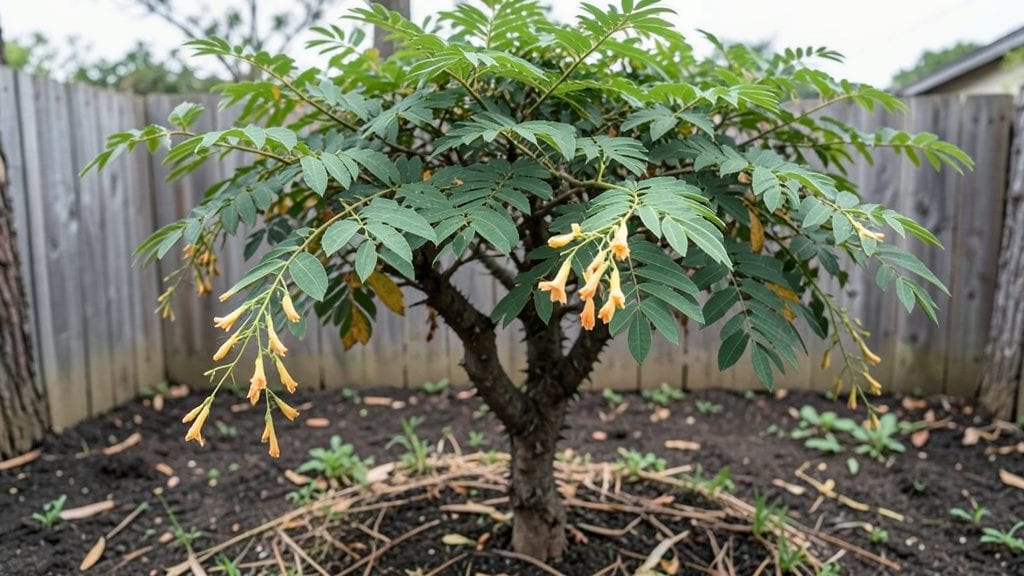
Tamarind tree flowers transform your garden into a fragrant tropical escape—if you know their secrets. 🌿 These delicate, honey-scented blooms thrive in heat and humidity, rewarding patient gardeners with year-round color when conditions are just right.
The key lies in mimicking their native habitat: bright, indirect light, well-draining soil, and consistent moisture without sogginess.
Your tamarind needs 6+ hours of sunlight daily but will scorch in harsh afternoon rays, so morning sun or filtered light works best. The soil should stay slightly moist—think of a wrung-out sponge—while allowing excess water to drain freely.
Young trees flower in 2-3 years, but mature specimens can burst into bloom twice yearly with proper care.
When flowers appear, they’ll dazzle with pale yellow-green petals and a sweet, intoxicating fragrance that hums with pollinators. Prune lightly after flowering to shape the tree and encourage next season’s blooms, but avoid heavy cuts—tamarinds respond best to gentle maintenance.
The real magic happens when you balance water, light, and humidity to keep them flowering reliably.
Troubleshooting non-flowering? Check for low humidity, overwatering, or nutrient deficiencies—tamarinds need balanced fertilizer (10-10-10) every 2 months during growing season. With patience, your tree will reward you with fragrant, exotic blooms that turn heads and fill your garden with tropical charm.
📚 In This Guide
- What you need
- Instructions
- Tips and common mistakes
- Wrapping up and next steps
What you need
- ● Tamarind tree seeds or saplings: 1–3 (ensure they’re disease-free and from a trusted source).
- ● Well-draining potting mix: 5–10 gallons (blend 60% garden soil, 20% coconut coir, and 20% perlite/sand).
- ● Containers or garden plot: For pots: 15–20 gallon containers (with drainage holes) per sapling.
- ● For gardens: Full-sun spot (6+ hours/day) with loose, acidic soil (pH 5.5–6.5).
- ● Organic compost: 2–3 cups per planting hole (boosts nutrient-rich soil).
- ○ Mulch (optional but recommended): 1–2 inches of pine bark or wood chips (retains moisture).
- ● Gardening tools: Trowel or shovel (for planting).
- ● Pruning shears (sterilized with rubbing alcohol).
- ● Watering can or hose with a gentle spray nozzle.
- ● Humidity aids (for indoor/potted plants): Humidifier or pebble tray (to maintain 60–70% humidity).
- ● Misting bottle (for occasional leaf hydration).
- ● Fertilizer: Balanced liquid fertilizer (10-10-10) or citrus-specific blend (apply monthly during growing season).
- ○ Support stakes (optional): 3–4 ft bamboo stakes (for young saplings in windy areas).
Step-by-Step guide to encouraging tamarind tree flowers
Tamarind trees thrive when you mimic their tropical origins—here’s how to coax those fragrant blooms year-round.
🌱 Step 1: Select and Prepare a Humidity-Loving Location
Choose a spot with 70-85°F temperatures and 60%+ humidity—tamarind trees despise dry air. If your climate dips below 60°F, grow this tree in a greenhouse or large container you can move indoors during winter. South-facing windows or under grow lights work well for indoor setups.
Tamarind trees need full sun (6+ hours daily), but in hot climates, afternoon shade prevents leaf scorch. Watch for leaves curling at the edges—this signals either too much sun or insufficient moisture. A mature tree can reach 30-40 feet tall, so ensure it has room to grow or plan regular pruning to maintain size.
💧 Step 2: Water Deeply and Maintain Consistent Moisture
Water your tamarind tree every 2-3 days during active growth, ensuring the top 4-6 inches of soil stay moist but never soggy. Overwatering causes root rot, while underwatering triggers bud drop. Stick your finger into the soil—if it feels dry past your first knuckle, it’s time to water.
Mulch the base with 2-3 inches of organic mulch (like wood chips) to retain moisture and regulate soil temperature. Avoid letting mulch touch the trunk, as this invites pests. In winter, reduce watering to once a week unless grown indoors, where humidity drops accelerate drying.
☀️ Step 3: Fertilize for Blooming and Prune Strategically
Feed your tamarind tree with a balanced 10-10-10 fertilizer every 4-6 weeks during spring and summer, then switch to a low-nitrogen, high-phosphorus formula (5-10-10) in late summer to encourage flowering. Apply fertilizer only to moist soil to prevent root burn.
Prune lightly in late winter to remove dead or crossing branches. Avoid heavy pruning—tamarind trees flower on new growth, and aggressive cuts reduce blooms. Watch for small yellow flowers in clusters; these appear after 2-3 years of proper care. If flowers don’t form, check for low humidity or insufficient light.
✂️ Step 4: Protect Flowers and Fruit from Pests
Tamarind flowers attract aphids and scale insects, which suck sap and stunt blooms. Spray leaves with neem oil (1 tsp per quart of water) every 2 weeks during flowering to deter pests. Avoid chemical pesticides—they harm pollinators like bees, which are critical for fruit set.
If fruit forms but drops prematurely, it’s often due to low humidity or poor pollination. Hand-pollinate by gently shaking branches to release pollen or attract bees with nearby flowering plants. Harvest pods when they turn brown and slightly wrinkled—this ensures peak sweetness and flavor.
🪴 Step 5: Overwinter or Transition for Year-Round Growth
In colder climates, move potted tamarind trees indoors near a bright window or grow light before temperatures drop below 50°F. Reduce watering to every 10-14 days and stop fertilizing until spring. If growing outdoors, wrap the trunk with burlap to protect it from frost.
Tamarind trees are slow to mature but reward patience with fragrant, edible flowers and sweet pods. With consistent care, you’ll see blooms as early as 2-3 years and a full harvest by year 5. The key? Keep humidity high, water deeply, and never let the soil dry out completely.
Tips & tricks for encouraging tamarind tree flowers
Here's what I've learned from years of nurturing these tropical beauties—small details that make all the difference with tamarind trees.
Humidity Hack: In Step 1, when aiming for that 60%+ humidity, consider placing your tree on a humidity tray filled with pebbles and water. The evaporation creates a microclimate that mimics tropical conditions perfectly. For extra insurance, mist the leaves lightly in the morning—just avoid doing this in direct sunlight to prevent fungal issues.
Soil Temperature Secret: The 70-85°F range mentioned in Step 1 isn't just about air temperature—root zone temperature matters too. In cooler climates, bury your pot slightly deeper or use a heat mat during winter to maintain those warm soil temps. Cold roots can't absorb nutrients efficiently, which directly impacts flowering potential.
Watering Technique: When checking soil moisture in Step 2, focus on the top 4-6 inches, but also monitor the lower soil profile. Tamarind trees have deep roots that need consistent moisture at all levels. If you're growing in containers, make sure drainage holes are present—waterlogged roots are a common killer of these tropical trees.
Pruning Insight: The light pruning mentioned in Step 3 is crucial, but timing matters just as much as technique. Always prune in late winter before new growth begins. This allows the tree to focus its energy on developing new blooms rather than healing wounds. And here's a pro move: save those pruned branches—they root easily in water and can become new tamarind trees!
Pro Tips for Tamarind Tree Flowers
- Here's what I've learned from years of nurturing these tropical beauties—small details that make all the difference with tamarind trees.
- Humidity Hack: In Step 1, when aiming for that 60%+ humidity, consider placing your tree on a humidity tray filled with pebbles and water.
- Soil Temperature Secret: The 70-85°F range mentioned in Step 1 isn't just about air temperature—root zone temperature matters too.
Frequently asked questions
Got questions about tamarind tree flowers? You’re not alone!
Whether you’re a beginner gardener or a seasoned plant parent, these answers will help you grow vibrant blooms with confidence.
When do tamarind tree flowers bloom, and how long do they last?
Tamarind trees typically bloom in spring or early summer, producing fragrant, pinkish-white flowers that last 1–2 weeks per cluster. Humidity and warm temperatures (75–85°F) encourage longer blooms. In tropical climates, they may rebloom sporadically. Patience pays off—healthy trees reward you with year-round color in ideal conditions!
Why aren’t my tamarind flowers opening, even though the buds look healthy?
Bud drop or failure to open often signals stress. Check for:
- Low humidity (mist leaves daily or use a pebble tray).
- Temperature swings (keep away from drafts or AC vents).
- Overwatering (soil should stay moist but not soggy).
- Nutrient deficiency (feed with a balanced fertilizer every 2 months).
Can I grow tamarind flowers indoors? What’s the best setup?
Yes! Tamarind trees thrive indoors with bright, indirect light (south- or west-facing windows). Use a humidifier or place the pot on a tray of water + pebbles. A grow light (12–14 hours/day) helps in winter. Keep temps above 60°F and rotate the pot weekly for even growth. Just be prepared—they’ll need outdoor summers to bloom reliably!
Are tamarind flowers edible? Can I use them in cooking?
While the fruit is edible (tart and sweet), the flowers themselves aren’t typically eaten—they’re prized for their fragrance and ornamental value. However, some cultures use tamarind blossoms in floral teas or as a garnish for their delicate aroma. Always harvest flowers organically if you’re experimenting in the kitchen!
How do I protect tamarind flowers from pests like aphids or mealybugs?
Pests love tamarind blooms! Start with prevention:
- Spray leaves with neem oil (1 tsp per quart of water) weekly.
- Introduce ladybugs or lacewings (natural predators).
- Wipe buds with a soapy water cloth (1 tsp mild soap per gallon).
Wrapping up and next steps
Growing tamarind tree flowers is a rewarding journey that brings vibrant color and tropical charm to your garden—even in humid climates! 🌿 These resilient blooms thrive with the right care, offering year-round beauty and a touch of exotic allure.
Whether you're a seasoned gardener or just starting, your efforts will pay off with fragrant, eye-catching flowers that attract pollinators and elevate your outdoor space.
Ready to turn your green thumb into a tamarind tree pro? Start by observing your plant’s needs—adjust watering, pruning, or sunlight as seasons change. Next, share your success (or blooming challenges!) with fellow plant lovers—join gardening forums or local groups for tips and inspiration. Happy growing! 🌺