
Flowers
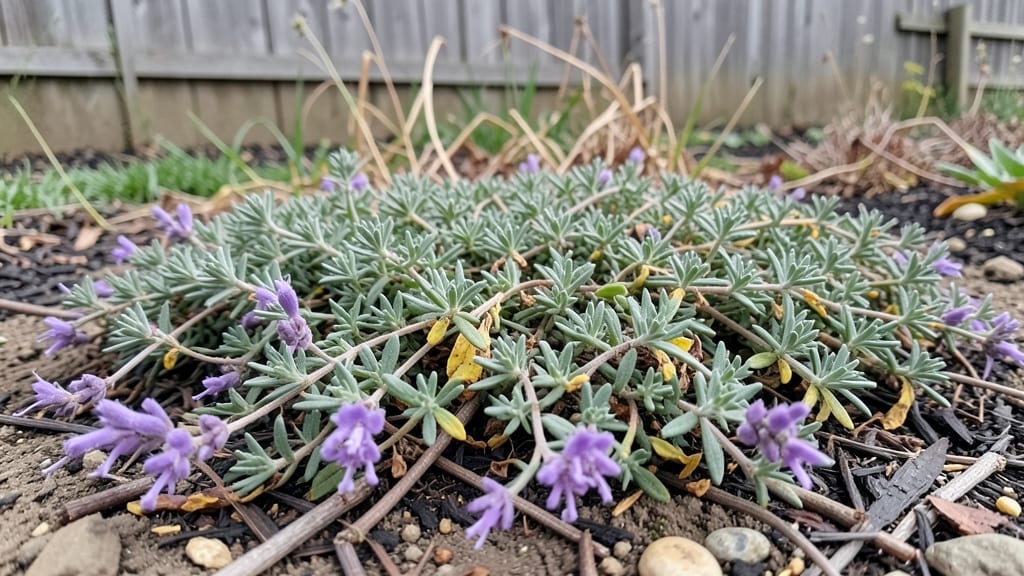
Purple-flowering thyme isn't just a pretty face—it’s a hummingbird superstar that thrives in the Pacific Northwest’s mild, damp climate. 🌿 I’ve watched these tiny pollinators hover over my garden borders, drawn in by the lavender blooms that last from spring until frost.
The plant’s fuzzy foliage and trailing habit make it perfect for spilling over containers or softening rocky garden edges.
This thyme variety is practically foolproof: drought-tolerant once established, deer-resistant, and happy in full sun or partial shade. Pair it with silver foliage plants like lamb’s ear or dusty miller for a striking contrast, or tuck it into cottage-style gardens alongside lavender and catmint.
The purple blooms also echo the color of delphiniums or salvia, creating a cohesive, pollinator-friendly palette.
By mid-summer, your garden will buzz with activity as hummingbirds dart between the blooms, while you enjoy the low-maintenance beauty. The fragrant foliage even repels pests naturally, so you get double the benefits with zero effort. Perfect for busy gardeners who want color, texture, and wildlife appeal without the fuss.
Whether you’re designing a Mediterranean-themed border or a simple container arrangement, purple-flowering thyme delivers effortless charm. Let’s get it planted—your garden (and the hummingbirds) will thank you.
📚 In This Guide
- What you need
- Instructions
- Tips and common mistakes
- Wrapping up and next steps
What you need
- ● Purple-flowering thyme plants – 2-4 plants (start with young nursery-grown plants for best results).
- ● Well-draining potting mix – 10-20 lbs (look for a blend labeled for herbs or Mediterranean plants).
- ● Containers or garden beds – Containers: 5-6 inch pots (1 per plant) with drainage holes.
- ● Garden beds: Full sun exposure (6+ hours/day) and sandy or rocky soil (thyme hates soggy roots!).
- ○ Organic compost – 1-2 cups per plant (optional but boosts growth).
- ● Gravel or sand – 1 cup per container (improves drainage).
- ● Watering can with a gentle spray nozzle (thyme prefers dry conditions!).
- ● Pruning shears (for shaping and encouraging bushier growth).
- ● Mulch (gravel or pebbles) – 1-2 inches around plants to retain heat and deter weeds.
- ● Hummingbird-friendly companion plants – Salvia, bee balm, or fuchsia (plant nearby to attract more pollinators!).
- ● Slow-release fertilizer (low-nitrogen, like 5-10-5, for herbs).
Step-by-Step guide to growing purple-flowered thyme for hummingbirds
This fragrant, pollinator-loving variety thrives in Pacific Northwest conditions—here's how to grow it successfully.
🌱 Step 1: Select the Right Variety and Planting Location
Choose 'Purple Thyme' or 'Coccineum' for its striking lavender blooms and hummingbird appeal. This variety prefers full sun to partial shade, making it perfect for Pacific Northwest gardens where direct sun can be limited. I plant mine in well-draining soil—thyme hates soggy roots—and choose spots with afternoon shade to prevent leaf scorch during summer's occasional heatwaves.
Test your soil's drainage by digging a hole, filling it with water, and checking if it drains within an hour. If water pools, amend the area with 2-3 inches of coarse sand or perlite mixed into the top 6 inches of soil. The right location ensures your thyme grows bushy and blooms abundantly, which hummingbirds can't resist.
🪴 Step 2: Prepare the Planting Site and Transplant Seedlings
Thyme spreads slowly but steadily, so space plants 12-18 inches apart in rows 2-3 feet apart to allow airflow and prevent fungal diseases. Dig holes just deep enough to accommodate the root ball without burying the crown—thyme roots are delicate and can rot if planted too deeply.
Gently remove the plant from its container and tease apart any circling roots with your fingers. Place it in the hole so the top of the root ball sits level with the surrounding soil. Backfill with native soil mixed with a handful of compost to give your thyme a nutrient boost without overwhelming it. Water deeply right after planting to settle the soil around the roots.
☀️ Step 3: Provide Optimal Care for Blooms and Hummingbird Visits
Water thyme deeply once a week during the first growing season, allowing the top 1-2 inches of soil to dry out completely between waterings. Once established, thyme is drought-tolerant and thrives with minimal irrigation. Overwatering is the fastest way to kill this hardy perennial—yellowing leaves are your first sign of too much moisture.
Deadhead spent blooms by pinching off flower stems just above a set of leaves to encourage continuous flowering. This also keeps the plant looking tidy and attracts more hummingbirds throughout the season. I find that cutting back one-third of the plant after the first flush of blooms in early summer promotes a second, even more vigorous bloom cycle.
✂️ Step 4: Prune and Maintain for Year-Round Interest
In late winter or early spring, trim back any dead or woody stems to encourage fresh, vibrant growth. Use clean, sharp pruners to make cuts just above a leaf node or pair of leaves. This pruning also opens up the plant's center, allowing more sunlight to reach inner stems and promoting bushier growth.
Thyme is evergreen in mild Pacific Northwest winters, but a dusting of snow or frost may brown the leaves. Don't worry—new growth will emerge in spring. To protect young plants during their first winter, mulch lightly with 1-2 inches of straw or shredded leaves, keeping the mulch a few inches away from the plant's base to prevent rot.
🐦 Step 5: Create a Hummingbird-Friendly Habitat
Plant thyme near other nectar-rich flowers like bee balm, columbine, or penstemon to create a hummingbird buffet. These plants bloom at different times, ensuring a continuous food source throughout the growing season. I place my thyme near a water feature or birdbath—hummingbirds are attracted to moving water and will linger longer in areas with both food and water.
Watch for hummingbirds as early as April, when they return to the Pacific Northwest. The purple blooms of thyme stand out against green foliage, making it an easy target for these tiny, energetic visitors. Place a small mirror or reflective surface nearby—hummingbirds are curious and may investigate shiny objects while feeding.
Tips & tricks for perfect purple-flowered thyme growth
Growing purple-flowered thyme that hummingbirds adore takes a few strategic approaches—here's what I've learned after years of trial and error in Pacific Northwest gardens.
Soil Preparation Secret: The drainage test in Step 1 is crucial—if water pools after an hour, you're dealing with heavy soil. I've found that mixing in 2-3 inches of coarse sand or perlite into the top 6 inches of soil creates the perfect balance. For container growing, use a blend of potting soil and perlite (50/50 ratio) to prevent root rot while maintaining excellent drainage.
Plant Spacing Strategy: When spacing plants 12-18 inches apart in Step 2, think about future growth patterns. Thyme forms low, spreading mats, so wider spacing (closer to 18 inches) gives you more blooms and better airflow. I arrange mine in a staggered pattern for a natural, garden-like appearance that hummingbirds seem to prefer.
Pruning Technique: For the pruning in Step 4, use clean pruners and make cuts at a 45-degree angle just above a leaf node. This angle helps water run off the cut and prevents fungal infections. I also recommend pruning on a dry morning when the plant's moisture content is lowest—this reduces stress on the plant and promotes faster healing.
Hummingbird Attraction Boost: The mirror trick in Step 5 works surprisingly well! Hummingbirds are naturally curious about reflective surfaces. I place small, shallow birdbaths near my thyme plants—just 1-2 inches of water is enough to attract them. The combination of purple blooms, moving water, and reflective surfaces creates the perfect hummingbird magnet.
Pro Tips for Thyme With Purple Flowers
- Growing purple-flowered thyme that hummingbirds adore takes a few strategic approaches—here's what I've learned after years of trial and error in Pacific Northwest gardens.
- Soil Preparation Secret: The drainage test in Step 1 is crucial—if water pools after an hour, you're dealing with heavy soil.
- Plant Spacing Strategy: When spacing plants 12-18 inches apart in Step 2, think about future growth patterns.
Frequently asked questions
Got questions about growing thyme with purple flowers to attract hummingbirds in your Pacific Northwest garden? You're not alone! Here are some of the most common queries—and their answers—to help you cultivate this stunning, pollinator-friendly plant with confidence.
What’s the difference between common thyme and purple-flowering thyme?
Purple-flowering thyme (like Thymus serpyllum or Thymus vulgaris 'Purple') is a cultivar bred for its vibrant blooms, while standard thyme often has tiny white or pink flowers. The purple variety is just as hardy, fragrant, and drought-tolerant—plus, it’s a hummingbird superstar!
How long does it take for purple thyme to flower?
With proper care, you’ll typically see the first purple blooms within 6–8 weeks of planting (or 4–6 weeks after transplanting). In the Pacific Northwest’s mild climate, expect continuous blooms from early summer through fall, with occasional winter reblooms if frost isn’t severe.
Can purple thyme survive the rainy Pacific Northwest winters?
Native to Mediterranean regions but well-adapted to USDA Zones 5–9, purple thyme thrives in PNW winters. It’s evergreen, so it won’t die back—just trim it lightly in early spring to encourage bushier growth. Mulch lightly to protect roots from soggy soil.
Will purple thyme attract hummingbirds if I plant it in a container?
Yes! Containers work great for purple thyme, especially if they’re 12+ inches deep with drainage holes. Just ensure it gets 6+ hours of sun daily and place it near a feeder or other nectar-rich plants. Hummingbirds will still find it—just might share it with bees and butterflies too!
What should I do if my purple thyme isn’t flowering?
Lack of blooms often signals over-fertilizing (thyme dislikes rich soil) or too much shade. Try these fixes:
- Prune back 1/3 of the plant in early spring to encourage new growth.
- Move to sunnier spot (at least 6 hours of direct sun).
- Water deeply but infrequently—thyme hates soggy roots.
Wrapping up and next steps
Adding thyme with purple flowers to your Pacific Northwest garden isn’t just about beauty—it’s about creating a vibrant, buzzing ecosystem that hummingbirds and pollinators will adore. 🌸 With its hardy nature, fragrant charm, and irresistible blooms, this plant is a game-changer for both aesthetics and wildlife support.
Whether you’re a seasoned gardener or just starting, this purple-flowered thyme is your ticket to a thriving, lively garden.
Ready to transform your outdoor space? Start small—plant a few patches today! Experiment with companion plants, monitor your hummingbird visitors, and watch your garden come alive with color and life. Happy gardening! 🌿