
Flowers
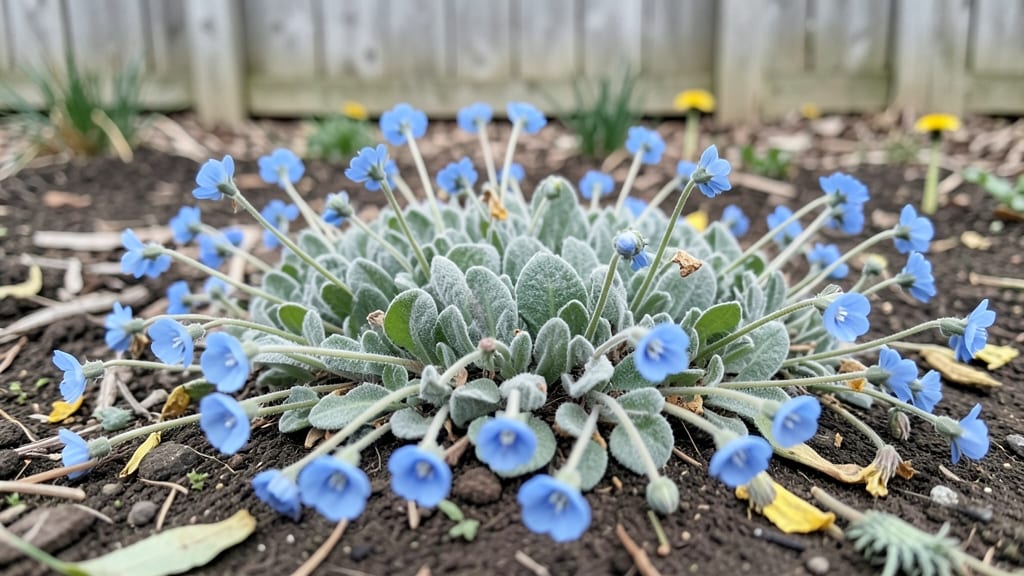
Tiny blue perennial flowers like forget-me-nots and lobelia are the unsung heroes of Pacific Northwest gardens—frost-resistant, pollinator magnets, and effortlessly charming. 💙 I fell in love with them after my first winter: while most plants bowed to the cold, these little blue stars popped up like confetti, defying the frost.
These perennials thrive in partial shade to full sun and adapt to almost any soil—even the rocky, acidic beds common in the PNW. Forget-me-nots (Myosotis) spill over borders like a watercolor painting, while lobelia adds a delicate cascade to containers.
Pair them with silver foliage plants like lamb’s ear or dusty miller for a cool-toned, high-impact look that lasts from spring to fall.
You’ll get months of blooms with minimal fuss—they self-seed, spread gently, and attract bees, butterflies, and hummingbirds like a neon sign. The secret? Plant them in clusters where their tiny blooms create a sea of blue rather than scattered highlights.
They’re perfect for cottage gardens, pollinator patches, or even as edging along walkways.
Best of all, they’re low-maintenance perennials that reward you with color year after year. Once established, they’ll naturalize and return stronger each spring—no digging, no fuss. For extra drama, tuck them near white or silver plants to make the blue pop even more.
📚 In This Guide
- What you need
- Instructions
- Tips and common mistakes
- Wrapping up and next steps
What you need
- ● Tiny blue perennial flowers: Choose from frost-resistant varieties like Myosotis sylvatica (Forget-Me-Nots), Hornungia petraea (Baby Blue Eyes), or Nemophila menziesii (Baby Blue Eyes). Opt for 10–20 plants per square foot for a lush look.
- ○ High-quality potting mix or garden soil: Use a well-draining mix (e.g., 60% topsoil, 30% compost, 10% perlite or sand) to prevent root rot. Optional: Add 1 cup of bone meal or slow-release fertilizer per 5 gallons of soil for extra nutrients.
- ● Containers or garden beds: Containers: Use 5–7 inch pots with drainage holes (1–2 plants per pot).
- ● Garden beds: Ensure 6+ hours of sunlight (partial shade works for some varieties).
- ● Mulch: Apply 1–2 inches of organic mulch (e.g., shredded bark or straw) to retain moisture and protect roots from frost.
- ● Gardening gloves (to protect your hands from soil and thorns).
- ● Trowel or hand shovel (for planting seeds/transplants).
- ● Watering can or hose with a gentle spray nozzle (avoid overwatering!).
- ● Pruning shears (for deadheading and shaping plants).
- ○ Optional: Soil pH test kit (ideal pH: 6.0–7.0 for most tiny blues).
- ● Peat moss or coconut coir (to improve soil texture).
- ● Pollinator-friendly companion plants (e.g., Lavandula or Salvia) to attract bees and butterflies.
- ● Know your USDA Hardiness Zone (most PNW tiny blues thrive in Zones 3–9).
- ● Check the last frost date in your area (plant seeds 4–6 weeks before frost or use transplants after danger has passed).
- ● Pro tip: 💡 If planting in containers, choose lightweight pots to avoid straining your garden in windy PNW conditions!
How to create a frost-resistant Pacific Northwest pollinator haven
These hardy blue perennials thrive in your region’s climate while drawing bees and butterflies all season long.
🌱 Step 1: Select the Right Blue Perennials for Your Site
Choose frost-tolerant, Pacific Northwest-adapted species like delphinium ajacis (larkspur), myosotis sylvatica (true forget-me-not), salvia azurea (blue sage), or campanula rotundifolia (bluebell). These handle USDA Zones 5-8 and winter temperatures down to 10°F without fuss. I always opt for native varieties—they require less water and support local pollinators best.
Check your site’s sun exposure: most blue perennials need 4-6 hours of sunlight daily, though forget-me-not tolerates partial shade. If your garden gets hot afternoon sun, pair them with taller plants like hollyhocks to provide afternoon shade. Avoid planting in low-lying areas where cold air pools—even hardy perennials may struggle if frost lingers.
🪴 Step 2: Prepare Soil and Plant at the Right Time
Amend your soil with 2-3 inches of compost to improve drainage and fertility—these perennials hate soggy roots. Test your soil’s pH: most blue perennials prefer slightly acidic to neutral (6.0-7.0). If your soil is heavy clay, mix in 1 part perlite per 3 parts native soil to loosen it. I plant in early spring (March-April) or fall (September-October) to let roots establish before summer heat or winter frost.
Dig holes twice as wide as the root ball but only as deep—planting too deep suffocates roots. Space plants 12-18 inches apart (check variety tags—some like forget-me-not can crowd closer). Water deeply right after planting to eliminate air pockets. You’ll know it’s right when soil feels evenly moist but not waterlogged at a 2-inch depth.
☀️ Step 3: Water and Fertilize for Long-Term Resilience
Water deeply once a week during the first growing season to encourage deep root growth. After establishment, most of these perennials are drought-tolerant once rooted—1 inch of water per week is plenty. I always water in the early morning to reduce fungal risks. Mulch with 2-3 inches of shredded bark to retain moisture and protect roots from temperature swings in early spring or late fall.
Fertilize lightly in early spring with a balanced 10-10-10 formula—too much nitrogen makes them leafy but flower-sparse. I skip fall feeding entirely; these perennials store enough energy over summer to survive winter. Watch for yellowing leaves—this often signals overwatering or poor drainage, not fertilizer needs.
✂️ Step 4: Prune and Maintain for Next Year’s Blooms
Deadhead spent blooms regularly to encourage prolonged flowering. For perennials like delphinium, cut back 1/3 of the tallest stems after the first flush of blooms to promote a second round. In late fall, cut back all foliage to 2-3 inches above ground—this prevents disease and makes it easier to spot overwintering pests like slugs. I always clean up debris to reduce fungal spores that could infect next year’s growth.
Divide clumps every 3-4 years in early spring. Dig up the entire plant, separate sections with clean, sharp pruners, and replant immediately. This rejuvenates growth and prevents center die-out—a common problem in older perennial patches. You’ll know it’s time when you see fewer blooms or bare patches in the middle of the clump.
🐝 Step 5: Encourage Pollinators Year-Round
Leave some seed heads on a few stems to provide winter food for birds and early spring sustenance for pollinators. Plant companion flowers like lavender or bee balm nearby to extend the pollinator buffet from early spring to late fall. I’ve seen bumblebees and sweat bees visit forget-me-not as early as February in mild PNW winters—proof these plants are true pollinator magnets.
Avoid pesticides entirely—neonicotinoids are especially harmful to bees. If aphids appear, blast them off with a strong stream of water instead. Healthy soil = healthy plants = less pest pressure. Your garden will become a year-round pollinator oasis within just one growing season.
Tips & tricks for perfect Pacific Northwest pollinator gardens
Creating a thriving pollinator haven with these tiny blue perennials is easier than you think—once you know these game-changing strategies.
Native Variety Advantage: Stick to Pacific Northwest-native species like delphinium ajacis and myosotis sylvatica—they've evolved to thrive in your region's 10°F winters without extra pampering. Native plants also support local pollinator species that non-native varieties might not attract. I've seen hummingbird moths visiting forget-me-not in February when most gardens are still dormant!
Microclimate Mastery: The 4-6 hours of sunlight requirement is flexible—just observe your garden's patterns. For example, forget-me-not tolerates partial shade, making it perfect for understory plantings. If your site gets hot afternoon sun, pair with hollyhocks to create natural shade without blocking light entirely. I've successfully grown blue sage in full sun with afternoon shade from a nearby cedar tree.
Soil Science Secret: That 2-3 inches of compost isn't just about fertility—it's about creating the perfect 6.0-7.0 pH environment these perennials crave. For heavy clay soils, mix in 1 part perlite per 3 parts soil to improve drainage while maintaining moisture. I test my soil every 3-4 years and adjust with compost or lime as needed to keep the pH in that sweet spot.
Pollinator Power Move: Leave 20% of your seed heads standing through winter—they provide critical food for overwintering bees and early spring pollinators. I've noticed bumblebees emerge in February to feed on these seed heads when little else is available. This simple step turns your garden into a year-round ecosystem rather than just a seasonal showpiece.
Pro Tips for Tiny Blue Perennial Flowers
- Creating a thriving pollinator haven with these tiny blue perennials is easier than you think—once you know these game-changing strategies.
- Native Variety Advantage: Stick to Pacific Northwest-native species like delphinium ajacis and myosotis sylvatica—they've evolved to thrive in your region's 10°F winters without extra pampering.
- Microclimate Mastery: The 4-6 hours of sunlight requirement is flexible—just observe your garden's patterns.
Frequently asked questions
Got questions about nurturing tiny blue perennial flowers in your Pacific Northwest garden? You’re not alone! Here are answers to the most common queries—from planting tips to troubleshooting—to help you create a thriving pollinator paradise.
What’s the best time to plant tiny blue perennial flowers in the PNW?
For frost-resistant varieties like Myosotis (forget-me-nots) or Nemophila, aim for early spring (March–April) or fall (September–October). This gives roots time to establish before winter’s chill. Avoid planting in scorching summer heat—tender seedlings may struggle. Pro tip: Container-grown plants can be tucked in anytime the soil isn’t frozen!
How cold can these flowers handle?
Most PNW-friendly tiny blue perennials tolerate USDA Zones 3–9, meaning they’ll survive winters down to -25°F (-32°C). Look for labels like “hardy” or “frost-proof.” Delphinium and Lobelia varieties often thrive in snow, but mulch (2–3 inches of straw or shredded leaves) adds extra protection. Watch for: Brown stems post-freeze? Trim back—new growth will sprout in spring!
Are there any low-maintenance alternatives to forget-me-nots?
Try these pollinator magnets that demand minimal fuss:
- Salvia azurea (Blue sage): Drought-tolerant, blooms summer-fall.
- Eritrichium (Blue flax): Thrives in poor soil, loves sun.
- Brunnera macrophylla (Siberian bugloss): Shade-loving, heart-shaped leaves.
Why aren’t my tiny blue flowers blooming this year?
Common culprits:
- Overcrowding: Thin plants if they’re packed too tightly.
- Poor light: Most need 4–6 hours of sun daily (even partial shade works for some).
- Over-fertilizing: Too much nitrogen = lush foliage, fewer blooms. Use a balanced 10-10-10 fertilizer lightly.
- Deadheading delay: Snip spent blooms to encourage more flowers!
Can I grow these in containers or hanging baskets?
Yes! Compact varieties like Nemophila menziesii (Baby Blue Eyes) or Jacobaea maritima (Blue tassel flower) thrive in containers. Use well-draining soil with perlite, and ensure pots have drainage holes. For baskets, mix in coco coir to retain moisture. Size matters: Aim for 6–12-inch pots per plant, and rotate containers weekly for even sun exposure.
Wrapping up and next steps
Tiny blue perennial flowers aren’t just a burst of color—they’re a lifeline for pollinators and a low-maintenance dream for Pacific Northwest gardeners! 🌸 From hardy Myosotis to delicate Nemophila, these frost-resistant stars thrive with minimal fuss, rewarding you with long-lasting blooms and buzzing bees.
Whether you’re a beginner or a seasoned gardener, adding them to your space is a joyful, eco-friendly upgrade.
Ready to bring the blues to your garden? Start small—pick one variety, gather your supplies, and plant with confidence! Soon, you’ll be surrounded by a pollinator paradise that’s as resilient as it is beautiful. Happy gardening! 🌿✨