
Flowers
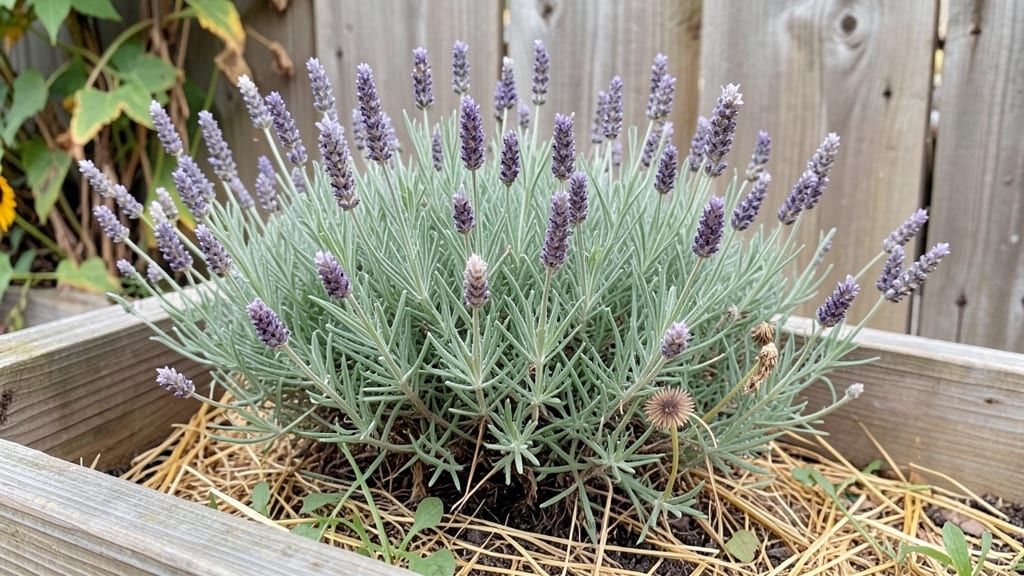
The white flower purple combo isn’t just pretty—it’s a garden conversation starter that makes neighbors pause and ask, "What’s that?" ✨ I first fell for this pairing when I planted a single white hydrangea next to my lavender bushes, and the effect was instant drama.
The contrast feels almost electric, like someone turned up the brightness on your yard.
This isn’t about random planting—it’s about strategic placement. Pair deep purple salvias with white snapdragons for vertical drama, or tuck white alyssum around purple irises for a cottage-garden feel.
The key is balancing textures too: feathery lamb’s ear against velvety purple clematis creates a look that’s both soft and striking. Even in small spaces, this combo works—just one container with white petunias and purple verbena will draw eyes.
What you’ll end up with is a garden that pops in photos and feels alive even in winter.
The white flowers reflect light, making the purples appear richer, while the purples add depth that white alone can’t. I’ve seen this combo in formal borders, wildflower meadows, and even urban balconies—it’s that versatile. The best part?
Most of these plants thrive in similar conditions, so once you start, you’ll keep adding to the mix.
Fair warning: you might get hooked on collecting more white-and-purple pairings. Start with three plants—one white, one purple, and one filler—and watch how the colors interact in different lighting.
The magic happens when you let the plants mingle naturally, not when you force them into rigid rows. Let’s make your garden the talk of the neighborhood.
📚 In This Guide
- What you need
- Instructions
- Tips and common mistakes
- Wrapping up and next steps
What you need
- ● White flowering plants: 3–5 mature plants (e.g., Lilies, Dahlias, or Hydrangeas—choose varieties with pure white blooms).
- ● Purple flowering plants: 2–4 plants (e.g., Lavender, Salvia, or Petunias—opt for deep purple hues for maximum contrast).
- ● Potting soil: 1–2 bags (well-draining, organic mix for best results).
- ● Slow-release fertilizer: 1–2 packets (10-10-10 NPK ratio recommended).
- ● Mulch: 1–2 bags (shredded bark or pine straw to retain moisture and suppress weeds).
- ● Garden trowel or spade (for planting).
- ● Gloves (to protect your hands from thorns or soil).
- ● Watering can or hose with a gentle spray nozzle.
- ● Pruning shears (for shaping and maintenance).
- ○ Optional: Garden stakes or trellises (if planting climbing varieties like Clematis).
- ● Sunlight: Full sun to partial shade (6+ hours of sunlight for most white/purple combos).
- ● Spacious beds or containers (at least 12–18 inches deep for root growth).
- ● Well-draining soil (amend with compost if your soil is heavy or clay-like).
- ● Pro tip: 💡 Test your soil’s pH—purple flowers like Lavender thrive in slightly alkaline soil (6.0–7.5).
How to create a striking white-and-purple flower garden combo
This high-impact pairing thrives with minimal fuss—just a few smart choices for drama.
🌱 Step 1: Select Complementary White and Purple Varieties
Start with four plants that naturally contrast: white cleome (spider flower) and purple salvia (sage) create a vertical show, while white alyssum and purple verbena spill over edges. I always pick one tall (cleome), one mid-height (salvia), one trailing (verbena), and one ground cover (alyssum) for layered impact.
Check bloom times—pair early white (like sweet alyssum) with late purple (like purple coneflower) to extend the season. Avoid pairing plants with identical bloom periods; you want purple blooms popping against white throughout summer. Real talk: Skip lavender with white—its gray-green foliage clashes instead of complements.
☀️ Step 2: Position for Maximum Contrast
Place white flowers against dark backgrounds—purple foliage (like 'Obsidian' basil) or black pots—to make them glow. I position white cleome near a dark fence and purple salvia in front of it. For borders, alternate white and purple every 6-8 inches so no single color dominates.
Give both colors full sun (6+ hours daily) but protect white flowers from harsh afternoon light if your climate runs hot. I use light-colored mulch (like straw) around white plants to reflect light and keep foliage bright. Purple flowers tolerate more shade, so I tuck them under trees where white varieties would fade.
💧 Step 3: Water and Feed for Vibrant Color
Both white and purple flowers need consistent moisture—let the top inch of soil dry between waterings. I water in the early morning so foliage dries quickly, preventing fungal spots that dull white blooms. Purple flowers often fade to lavender if stressed, so I prioritize watering them first during droughts.
Feed with balanced liquid fertilizer (10-10-10) every 4-6 weeks at half strength. Purple flowers respond well to low-phosphorus fertilizers (like fish emulsion) to deepen their hue, while white flowers benefit from extra potassium (like banana peel tea) to keep petals crisp. Over-fertilizing turns purple blooms muddy—stick to the schedule.
✂️ Step 4: Deadhead and Prune for Longer Blooms
Remove spent blooms weekly—this triggers both white and purple flowers to produce more vibrant replacements. I snip just above the next set of leaves with clean shears to avoid damaging stems. For trailing varieties (like verbena), pinch back leggy stems to encourage bushier growth and more flowers.
After the first flush of blooms fades (usually 6-8 weeks in), cut back one-third of the plant—this rejuvenates both white and purple varieties. Purple salvia often self-seeds; I let a few go to seed but pull extras to prevent overcrowding. White cleome self-seeds aggressively, so I deadhead consistently to control spread.
🌿 Step 5: Extend the Season with Smart Pairings
Add purple foliage plants (like 'Black Scallop' alyssum) to bridge gaps when flowers fade. I tuck white dusty miller (silver foliage) near purple flowers for a cool-toned contrast in late summer. For winter interest, plant white hellebore and purple cyclamen in shaded spots—they bloom when most perennials rest.
Mulch with 3 inches of shredded bark in fall to protect roots and maintain even soil temps. Purple flowers often handle cold better than white, so I prioritize protecting white varieties in early frost. A lightweight row cover over white cleome extends blooms by 2-3 weeks—worth the effort for that last burst of contrast.
Tips & tricks for a stunning white-and-purple flower garden
Here’s how to make your garden combo truly unforgettable—without breaking a sweat.
Layer Heights Strategically: In Step 1, when selecting your four plants, think vertically. The tall white cleome should anchor the back of your bed, while mid-height purple salvia creates a natural "frame" behind the trailing verbena. I add a low white alyssum border in front to complete the layered look—this creates depth that makes the purple pop even more. Pro tip: Space taller plants 18-24 inches apart so they don’t shade each other.
Color Contrast Pro Tip: For maximum impact in Step 2, place white flowers near dark backgrounds—their petals will appear dazzlingly bright. I use black pots for white cleome and position purple salvia against a dark fence. This visual trick makes the white glow like a spotlight. And here’s the thing: if your garden has hot afternoon sun, use light-colored mulch around white flowers to reflect heat and keep their foliage crisp.
Watering Wisdom: Step 3’s consistent moisture rule is non-negotiable, but there’s a secret: water purple flowers first during droughts. They’re more drought-tolerant but fade to lavender when stressed. White flowers need that morning watering to prevent fungal spots—set a reminder for 6 AM so you don’t forget. I also add a splash of banana peel tea (rich in potassium) to white flower water every other week to keep petals vibrant.
Deadheading Hack: When you’re deadheading weekly in Step 4, don’t just toss those spent blooms! Dry them between pages of a heavy book to preserve their color. You’ll have beautiful purple and white flower petals for crafts or potpourri. And for that one-third pruning after 6-8 weeks, use sharp shears and cut at a 45-degree angle just above a leaf node—this encourages bushier growth and more blooms.
Pro Tips for White Flower Purple
- Here’s how to make your garden combo truly unforgettable—without breaking a sweat.
- Layer Heights Strategically: In Step 1, when selecting your four plants, think vertically.
- Color Contrast Pro Tip: For maximum impact in Step 2, place white flowers near dark backgrounds—their petals will appear dazzlingly bright.
Frequently asked questions
about white flowers with purple accents—because every gardener deserves clarity! Here are answers to the most common queries to help you nail this stunning combo.Why do some white flowers turn purple?
This often happens due to anthocyanin pigmentation, triggered by temperature changes, sunlight exposure, or soil pH. For example, hydrangeas shift from pink to blue/purple based on acidity. If you want consistent white with purple highlights, choose varieties like Lilium 'Casablanca' (white lilies with purple stamens) or Dahlia 'Bishop'.
Can I plant white and purple flowers together for contrast?
Pairing them creates visual drama—think white roses with purple clematis or white snapdragons beside purple salvia. For harmony, use the 60-30-10 rule: 60% white, 30% purple, and 10% a contrasting color (e.g., yellow or green foliage). Plant taller purple blooms behind shorter whites to avoid overpowering.
How long does it take for white flowers to develop purple accents?
Timing varies by plant:
- Annuals (e.g., petunias, salvia): Purple accents appear 2–4 weeks after planting, especially in cooler weather.
- Perennials (e.g., lavender, catmint): Expect color shifts mid-to-late season (June–August in most climates).
- Bulbs (e.g., alliums, hyacinths): Purple hues show at full bloom (typically spring).
What if my white flowers stay white with no purple?
Don’t stress—it’s often normal! Some varieties (like white peonies) stay true to their color. If you want purple, try:
- Adjusting soil pH (add lime for alkalinity or sulfur for acidity).
- Moving plants to partial shade (too much sun can bleach pigments).
- Choosing purple-flowering cultivars of the same species (e.g., white vs. purple coneflowers).
What’s the best alternative if I can’t find white flowers with purple?
No problem! Try these low-maintenance swaps for bold contrast:
- Silver foliage (e.g., lamb’s ear, dusty miller) + deep purple flowers (e.g., verbena, lobelia).
- White flowers with purple centers (e.g., black-eyed Susan, white daisies with purple cores).
- Variegated leaves (e.g., heuchera with purple undersides) underplanted with white blooms.
Wrapping up and next steps
The white flower purple combo isn’t just eye-catching—it’s a game-changer for gardens that want to wow! By blending crisp whites with deep purples, you create drama, elegance, and unexpected charm that draws visitors in.
Whether you’re a seasoned gardener or just starting, this striking contrast proves that bold choices can transform even the simplest space.
Ready to elevate your garden? Start small—pick one purple bloom (like lavender or salvia) and pair it with white annuals or perennials. Snap a photo of your progress, and don’t forget to tag us @GardenInspo—we’d love to see your purple-and-white magic! 🌸✨