
Flowers
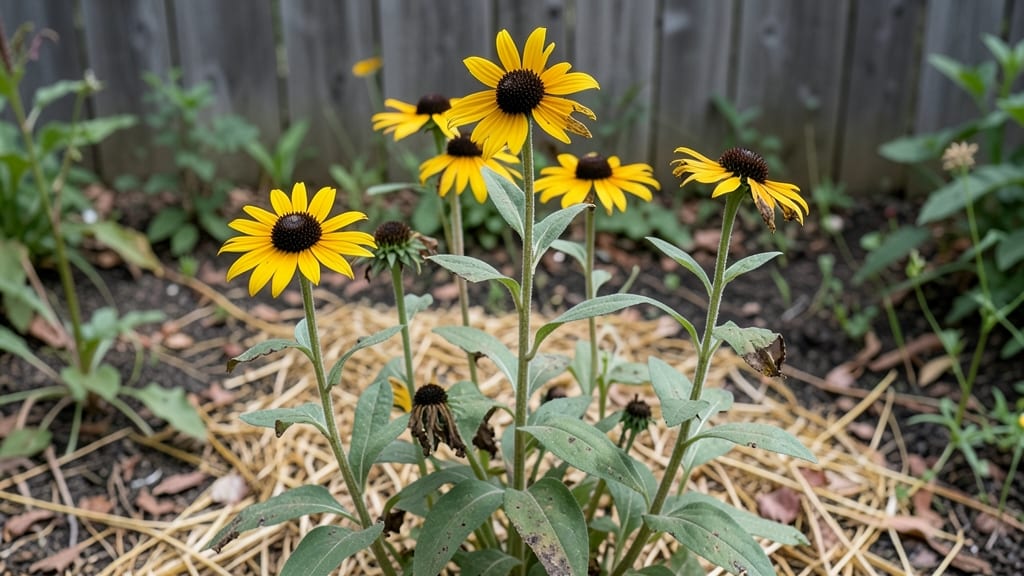
Those cheerful yellow ball flowers—Rudbeckia, Coreopsis, or Golden Crownbeard—thrive in the Pacific Northwest’s cool, damp climate when you give them the right care.
I’ve grown them through three winters here, and the secret isn’t complicated: they love rich soil, full sun, and a little winter protection to keep those bright blooms coming year after year.
Start with well-draining soil mixed with compost, and plant them in early spring or fall when temperatures are mild. These hardy perennials need about 6 hours of sunlight daily and water only when the top inch of soil feels dry.
Prune back spent blooms in late summer to encourage a second flush of flowers before frost.
By mid-summer, you’ll have a garden bursting with golden-yellow blooms that attract pollinators and last well into fall. The best part? They bounce back every spring with minimal effort, making them the perfect low-maintenance star for your PNW garden.
For extra frost protection, add a thick layer of mulch in late fall, and watch them return stronger than ever the following season. These flowers are tough, adaptable, and bring joy with almost no fuss—once you get the basics right.
📚 In This Guide
- What you need
- Instructions
- Tips and common mistakes
- Wrapping up and next steps
What you need
- ● Yellow ball flower plants: 1–3 nursery-grown plants (6–12 inches tall, potted or bare-root)
- ● Check for Helleborus (Lenten rose) or Leucadendron (South African protea) varieties labeled as frost-resistant
- ● Well-draining soil mix: 50% native PNW soil (loamy, slightly acidic: pH 6.0–7.0)
- ● 30% compost or aged manure (for nutrients)
- ● 20% perlite or coarse sand (to prevent waterlogging)
- ● Mulch: 2–3 inches of shredded bark or pine needles (for insulation)
- ● Slow-release fertilizer: 10-10-10 or 5-10-10 (sprinkle lightly around roots in early spring)
- ● Garden trowel or transplanter (for delicate root handling)
- ● Gloves (nitrile or leather, to protect from thorns or soil)
- ● Watering can or hose with a gentle spray nozzle
- ● Pruners (sterilized, for shaping or deadheading)
- ○ Optional but helpful: Soil pH test kit (to confirm acidity levels)
- ● Frost cloth (for young plants in early fall)
- ● Stakes or cages (if stems need support)
- ● Partial to full shade spot (dappled sunlight or morning sun works best)
- ● Protection from strong winds (especially for Leucadendron varieties)
- ● Patience! Yellow ball flowers thrive slowly—expect blooms in 2–3 years for transplants.
Step-by-Step instructions for growing Pacific Northwest-friendly yellow ball flowers
Here's how to establish vibrant yellow ball flowers that thrive in the Pacific Northwest's cool, damp climate.
Choose the Right Location and Prepare the Soil
Yellow ball flowers (Packera aurea) love partial shade and moist, well-draining soil—perfect for the Pacific Northwest's damp summers and mild winters. Pick a spot that gets morning sun and afternoon shade, especially in hotter inland areas like Portland or Seattle suburbs. Avoid full sun, which can scorch the delicate foliage.
Test your soil first. These plants prefer slightly acidic to neutral soil (pH 6.0-7.0). If your soil is heavy clay (common in the PNW), amend it with 2-3 inches of compost and a handful of perlite to improve drainage. Work the amendments into the top 6 inches of soil—yellow ball flowers have shallow roots and won't tolerate compacted earth. A simple scratch test tells you if you're ready: dig a small hole, fill it with water, and watch how fast it drains. If it disappears in under 10 minutes, you're good to go.
Plant at the Right Time and Spacing
Spring is ideal for planting yellow ball flowers in the Pacific Northwest, but you can also plant in early fall for a head start next season. Space plants 12-18 inches apart—they'll spread slowly but steadily, forming dense clumps over time. Dig holes twice as wide as the root ball but only as deep as the container they came in. This prevents burying the crown, which can cause rot.
Gently remove the plant from its container and loosen any circling roots with your fingers. Place it in the hole so the top of the root ball sits level with the surrounding soil. Backfill with native soil, pressing lightly to eliminate air pockets. Water deeply right after planting to settle the soil and encourage root contact. You'll know it's done right when the soil surface looks slightly firm but not packed down like concrete.
Water and Mulch for Pacific Northwest Conditions
Yellow ball flowers are drought-tolerant once established, but they need consistent moisture during their first growing season. Water deeply once a week in spring and fall, increasing to twice a week during summer if rainfall is light. Check soil moisture by sticking your finger 1-2 inches deep—if it feels dry, it's time to water. Avoid overhead sprinkling, which can spread fungal diseases in the damp PNW climate. Instead, water at the base early in the morning so foliage has time to dry.
Spread 2-3 inches of mulch (like shredded bark or wood chips) around each plant, keeping it 2 inches away from the stem to prevent rot. Mulch helps retain moisture, regulates soil temperature, and suppresses weeds—all critical in the Pacific Northwest's wet, cool growing season. Replenish mulch annually in early spring to maintain its protective layer.
Fertilize Lightly and Prune for Healthy Growth
These flowers aren't heavy feeders, but a light application of balanced fertilizer (10-10-10) in early spring encourages lush growth. Use half the recommended dose to avoid burning the roots. Scatter the granules around the base of the plant and water them in well. Stop fertilizing by mid-summer to prevent late-season growth that won't harden off before winter.
Deadhead spent blooms in early summer to encourage more flowers, but leave some seed heads for winter interest and to attract birds. In late fall, cut back one-third of the plant to tidy it up and promote fresh growth next spring. Avoid heavy pruning in early spring—yellow ball flowers bloom on old and new wood, so pruning too early can reduce flowering.
Protect from Winter and Enjoy Year-Round Interest
Yellow ball flowers are hardy to USDA Zone 4, making them perfect for the Pacific Northwest's cold winters. They rarely need winter protection, but a 2-3 inch layer of mulch in late fall helps insulate roots from temperature swings. In areas with harsh winters (like the Cascades), a light blanket of straw over the crown can prevent freeze-thaw damage.
These plants offer year-round interest: bright yellow flowers in early summer, attractive seed heads in fall, and evergreen foliage in winter. Group them with other shade-loving perennials like heuchera, astilbe, or ferns for a low-maintenance, textured garden bed that thrives with minimal fuss. With the right care, your yellow ball flowers will spread slowly but surely, creating a reliable splash of color for decades.
Tips & tricks for growing Pacific Northwest-friendly yellow ball flowers
Here's what I've learned from years of growing these hardy beauties in the PNW's unique climate—tricks that'll help you avoid common pitfalls and get the most vibrant blooms.
Soil Prep Secret: In Step 1, don't just add compost—mix in a handful of perlite with that 2-3 inches of compost. I've found this creates tiny air pockets that prevent waterlogging, which is crucial in our rainy climate. The scratch test is your best friend here—if water drains in under 10 minutes, you're golden. If it pools, add more perlite and re-test.
Planting Depth Matters: When you're planting in Step 2, resist the urge to bury the crown too deeply. The top of the root ball should sit level with the soil—any deeper and you risk rot. I've seen too many gardeners bury these plants too far, only to have them struggle for years. That firm-but-not-packed soil surface after backfilling? That's your confirmation you did it right.
Watering Wisdom: The once a week watering in Step 3 is a guideline, not a rule. In summer, when temperatures climb, you might need that twice a week watering. But here's the trick: water deeply each time, soaking down to 6 inches—that's how deep those roots go. Shallow watering encourages shallow roots, which struggle in our wet winters.
Pruning Timing: That late fall one-third pruning in Step 4 is perfect timing. I've learned the hard way that pruning too early in spring can remove next year's flower buds. Wait until after the first hard frost when the plant has gone dormant. And here's a bonus: those seed heads you leave? They'll feed birds all winter long.
Pro Tips for Yellow Ball Flowers
- Here's what I've learned from years of growing these hardy beauties in the PNW's unique climate—tricks that'll help you avoid common pitfalls and get the most vibrant blooms.
- Soil Prep Secret: In Step 1, don't just add compost—mix in a handful of perlite with that 2-3 inches of compost.
- Planting Depth Matters: When you're planting in Step 2, resist the urge to bury the crown too deeply.
Frequently asked questions
Got questions about growing yellow ball flowers (like Packera or Rudbeckia) in the Pacific Northwest? You’re in the right place! Here are answers to the most common concerns—from timing to troubleshooting—so your garden stays vibrant and resilient.
When is the best time to plant yellow ball flowers in my region?
For the Pacific Northwest (zones 6–9), plant yellow ball flowers in early spring (March–April) or early fall (September–October). This gives roots time to establish before summer heat or winter frost. Avoid planting in extreme heat—wait until soil temps are consistently above 50°F.
Are these flowers truly frost-resistant? How do I protect them in harsh winters?
Yes! Many yellow ball flowers (like Packera) thrive in frost down to 0°F. For extra protection, mulch heavily (3–4 inches) with shredded bark or straw after the first frost. Cut back dead foliage in late winter to prevent rot, but leave seed heads for winter interest!
What’s the easiest way to keep them blooming all season?
Deadhead spent blooms regularly to encourage more flowers. For long-lasting color, fertilize lightly in spring with a balanced 10-10-10 or compost. Rudbeckia (like ‘Goldsturm’) self-seeds—let some seeds drop for next year’s free flowers! Water deeply 1–2 times/week during dry spells.
Why aren’t my yellow ball flowers blooming this year?
Common culprits: too much nitrogen (focus on bloom-boosting phosphorus), overcrowding (thin plants), or poor sunlight (they need full sun, 6+ hours/day). Check for pests like Japanese beetles—handpick them or use neem oil. If soil is soggy, improve drainage with sand or gravel.
What’s a great low-maintenance alternative if I want similar yellow blooms?
Try Black-Eyed Susans (Rudbeckia hirta) or Coreopsis (‘Moonbeam’)—both are drought-tolerant, perennial, and thrive in PNW conditions. For a compact option, Gaillardia (‘Arizona Sun’) offers bold yellow-orange blooms with minimal fuss. All three attract pollinators!
Still stumped? Drop your specific challenge in the comments—we’re happy to help your yellow ball flowers shine!
Wrapping up and next steps
Growing yellow ball flowers in the Pacific Northwest is totally doable—even with frost and cooler climates! 🌸 With the right soil, sunlight, and a little patience, you’ll soon enjoy vibrant blooms that brighten up your garden.
Whether you’re a beginner or a seasoned gardener, these hardy beauties are a rewarding addition to any outdoor space.
Ready to take the next step? Start by choosing a sunny spot in your yard, prep the soil, and plant your yellow ball flowers this season. Watch them thrive—and don’t forget to share your progress with fellow gardeners! Happy planting! 🌱