
Flowers
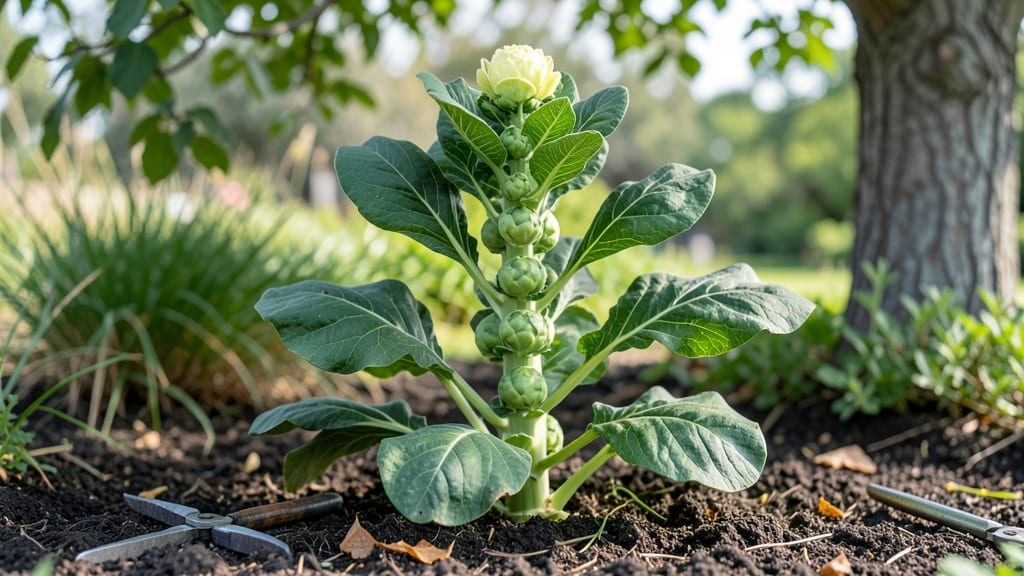
When Brussels sprouts send up those delicate yellow flowers, it’s not just a show—it’s a turning point for your harvest. 🌿 These blooms mark the plant’s shift from producing edible buds to setting seeds, and whether you’re growing for dinner or saving seeds, understanding them changes everything you do next.
The flowering process begins in late summer or early fall, triggered by cooler temperatures and longer daylight exposure. If you’re after maximum harvest, you’ll want to remove flower stalks promptly—they drain energy from those prized sprouts.
But if seed-saving is your goal, let those blossoms stay; they’ll develop into pods within weeks.
Here’s the good news: those flowers are edible, with a mild peppery kick that pairs beautifully in salads or garnishes. Their appearance signals the end of the sprouting phase, so timing matters—cut back flowers to extend harvest, or embrace them for their own unique flavor and purpose in your garden.
Whether you’re growing for table or seed, the key is observation. Watch for the first buds, and decide: will you prune for more sprouts, or let nature take its course? The choice shapes your entire season.
📚 In This Guide
- What you need
- Instructions
- Tips and common mistakes
- Wrapping up and next steps
What you need
- ● Brussels sprouts: 1 large head (about 12–15 oz) with intact, unopened flower buds (look for small, tight clusters at the base of the leaves).
- ● Sharp chef’s knife: 8-inch blade for precise cuts (or kitchen shears for delicate trimming).
- ● Cutting board: Wooden or plastic (avoid glass to prevent slipping).
- ○ Small mixing bowl: For rinsing or storing petals (optional but handy).
- ● Paper towels: To pat dry delicate petals.
- ● Tweezers: For gently separating petals without tearing.
- ● Food processor or blender: If you plan to make flower-infused salt or oil.
- ● Fine-mesh strainer: For rinsing petals thoroughly.
- ● Edible glitter or gold leaf: For garnishing (if you’re feeling fancy! ✨).
- ● Recipes: Pair your flowers with dishes like honey-glazed salmon, salads, or cocktails.
How to grow and harvest edible Brussels sprout flowers
These delicate yellow blooms pack a peppery punch—here's how to coax them from your garden.
🌱 Step 1: Select the Right Brussels Sprout Variety
Not all Brussels sprouts produce edible flowers. Look for varieties specifically bred for their blossoms, like 'Ruby Ball' or 'Long Island Improved.' These heirloom types develop bright yellow flowers that taste like a cross between broccoli and mustard greens—bright, slightly bitter, and perfect for garnishes or salads.
I always check seed packets for "edible flower" labels, but even then, I've found that organic, non-hybrid seeds produce the most vibrant blooms. Avoid treated seeds—they often yield weaker plants that struggle to flower properly. Plant seeds ¼ inch deep in well-draining soil, spaced 18 inches apart in rows 2 feet apart.
☀️ Step 2: Provide Optimal Growing Conditions
Brussels sprout flowers need full sun (6-8 hours daily) and consistent moisture to develop properly. I water deeply 2-3 times weekly, aiming for 1-2 inches of water per week, letting the top 1-2 inches of soil dry slightly between waterings. Too much moisture causes the flowers to become waterlogged and lose their peppery kick.
Here's the thing—these plants are cold-hardy, but they need a long growing season. Start seeds indoors 8-10 weeks before your last frost date or plant young starts in early spring. The flowers won't appear until 90-120 days after planting, so patience is key. You'll know you're on track when the plants reach 18-24 inches tall with a sturdy stem.
🌿 Step 3: Encourage Flowering with Proper Care
When your Brussels sprouts reach 12-18 inches tall, I switch to a high-nitrogen fertilizer like fish emulsion to promote leafy growth. Once the plants hit 24 inches, I reduce nitrogen and increase phosphorus and potassium to encourage flowering. This shift is critical—too much nitrogen late in the season delays blooms.
Watch for the first flower buds to form in the leaf axils (where leaves meet the stem). These tiny green buds will swell and turn yellow as they mature. Harvest flowers when they're fully open but still bright yellow—waiting too long turns them bitter. Pick in the morning after dew has dried to preserve their delicate flavor and texture.
✂️ Step 4: Harvest and Use Flowers Properly
Cut individual flowers with a sharp pair of scissors, leaving ½ inch of stem attached. This prevents damage to the plant and encourages more blooms to form. I harvest every 2-3 days during peak flowering to keep the plant producing. Store flowers in a paper towel-lined container in the fridge for up to 3 days—they wilt quickly, so use them fresh.
Here's how to use them: toss whole flowers into salads for a peppery crunch, or blanch them for 30 seconds and use as a garnish. The petals can also be dried and powdered for a unique seasoning. Just avoid overcooking—these delicate blooms lose their flavor and texture quickly when heated.
🌱 Step 5: Extend the Harvest Season
To get a second harvest, I often plant a late-summer crop. Sow seeds 60-70 days before your first frost for fall blooms. These later plants produce flowers that mature in cooler weather, which actually enhances their flavor. I also protect plants with row covers during early frost warnings—the flowers are tender but the stems can handle light frosts.
Real talk: you won't get a massive yield, but the flavor difference is worth it. The cooler fall temperatures concentrate the peppery notes in the flowers, making them taste even more vibrant. Plus, harvesting in fall means you can enjoy these edible blooms right through Thanksgiving—perfect for festive garnishes.
Tips & tricks for perfect Brussels sprout flowers
Growing edible Brussels sprout flowers takes patience and attention to detail—here's what I've learned to ensure vibrant, flavorful blooms every time.
Seed Selection Tip: Don't just grab any Brussels sprout seeds! Look for varieties specifically bred for their edible flowers like 'Ruby Ball' or 'Long Island Improved.' I've found that organic, non-hybrid seeds produce the most vibrant blooms with the best peppery flavor. Avoid treated seeds—they often yield weaker plants that struggle to produce flowers.
Sunlight Strategy: Those 6-8 hours of daily sun are non-negotiable for flower development. If your garden gets less sunlight, consider using a reflective surface like white plastic under the plants to bounce extra light onto the leaves. I've also had success growing these in containers near south-facing windows during the early stages.
Harvest Timing Secret: The 30-second blanch time for using flowers as garnishes is critical—any longer and you'll lose that bright, peppery flavor. I like to prepare a bowl of ice water right next to my stove so I can immediately shock the blanched flowers. This preserves their vibrant color and delicate texture perfectly for garnishes or salads.
Season Extension Hack: For a fall harvest, plant seeds 60-70 days before your first frost—this gives you flowers that mature in cooler weather, which actually enhances their flavor. I've found that protecting plants with row covers during early frost warnings preserves the tender flowers while letting the sturdy stems handle light frosts.
Pro Tips for Brussel Sprout Flower
- Growing edible Brussels sprout flowers takes patience and attention to detail—here's what I've learned to ensure vibrant, flavorful blooms every time.
- Seed Selection Tip: Don't just grab any Brussels sprout seeds!
- Sunlight Strategy: Those 6-8 hours of daily sun are non-negotiable for flower development.
Frequently asked questions
Got questions about harvesting, cooking, or even growing Brussels sprout flowers? You’re not alone! Here are some of the most common queries—plus quick, easy answers to keep your kitchen (and garden) thriving.
Can you eat Brussels sprout flowers?
These edible blooms pack a delicate, peppery kick—similar to the sprouts themselves. Use them fresh in salads, as garnishes, or lightly sautéed for a flavorful twist. Just avoid overcooking to preserve their tender texture.
When is the best time to pick Brussels sprout flowers?
Harvest flowers when they’re fully open but still bright yellow (before they brown). Morning pickings yield the freshest blooms. If you miss the window, they’ll quickly wilt—so act fast! For best flavor, harvest in late spring or early summer.
What can I substitute if I can’t find Brussels sprout flowers?
No worries! Try broccoli florets (milder taste) or cauliflower buds for a similar texture. For a peppery bite, swap in radish flowers or mustard greens. Just adjust cooking times—these alternatives may need less time to tenderize.
How do I cook Brussels sprout flowers without ruining their flavor?
Keep it simple: Lightly sauté in olive oil for 1–2 minutes (they cook faster than sprouts!). For raw use, toss into salads or blend into pesto. Avoid boiling—it dulls their vibrant taste. Pro tip: Add a splash of lemon juice to brighten their natural sweetness!
Can I grow Brussels sprout flowers at home?
Yes! Start with Brussels sprout seedlings or grow from seed. Flowers appear after 60–90 days in cool weather. Ensure full sun and well-drained soil. Bonus: The same plant yields both sprouts and flowers—double the harvest!
Wrapping up and next steps
Discovering the delicate, peppery charm of Brussels sprout flowers is a game-changer for adventurous eaters!
These edible blooms add a unique twist to salads, garnishes, and even cocktails, proving that flowers aren’t just for bouquets—they’re for your plate too. 🌸 Whether you’re growing your own or foraging responsibly, their subtle flavor and stunning appearance make them a fun, flavorful addition to any dish.
Ready to elevate your culinary creativity? Start experimenting today! Try pairing them with your favorite recipes or share your edible flower adventures with fellow foodies. Happy cooking—and happy blooming! 🌱