
Blooming
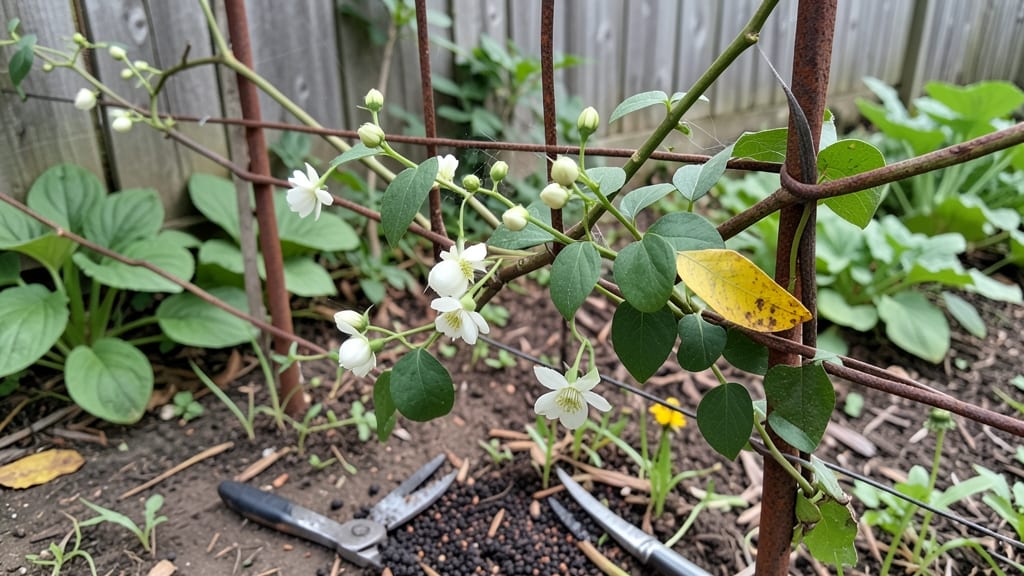
Getting jasmine to flower isn't just about waiting—it's about giving it the right conditions. I've struggled with stubborn jasmine plants that refused to bloom until I cracked the sunlight and pruning code. The key lies in mimicking its natural tropical habitat while keeping your climate in mind.
Jasmine thrives on 6-8 hours of direct sunlight daily, but too much scorching heat can stress it. Pruning after flowering encourages new growth, and feeding it with balanced fertilizer in spring boosts blooms.
My star jasmine now flowers year-round because I learned to prune lightly in late winter and avoid heavy feeding in fall.
You'll see delicate white or yellow blossoms opening at dusk, filling the air with intoxicating fragrance. The secret is patience—it takes about 3-4 months of consistent care before you'll see that first flush of flowers. Once established, these vines become low-maintenance bloomers.
Works for both climbing varieties and compact shrubs, though some types like Arabian jasmine need slightly more shade. Here’s how to troubleshoot common issues like leaf drop or no flowers—it’s easier than you think.
📚 In This Guide
- What you need
- Instructions
- Tips and common mistakes
- Wrapping up and next steps
What you need
- ● Jasmine plant: Choose Jasminum officinale (common jasmine), Jasminum sambac (Arabian jasmine), or Trachelospermum jasminoides (star jasmine) for best results.
- ● Well-draining potting mix: 1 bag (5–10 gallons) of a blend with 50% peat moss or coconut coir, 30% perlite or vermiculite, and 20% compost.
- ● Pot or garden space: For container growth: A 12–18-inch diameter pot with drainage holes (terracotta or ceramic preferred).
- ● For in-ground planting: A sunny spot with loose, fertile soil (amend with compost if needed).
- ● Pruning shears: Sharp, clean bypass pruners (sterilize with rubbing alcohol between cuts).
- ● Fertilizer: Balanced liquid fertilizer (e.g., 10-10-10) – 1 bottle (1 gallon).
- ○ Slow-release granular fertilizer (optional, for in-ground plants) – 1 lb.
- ● Mulch: Shredded bark or straw (1–2 inches thick) to retain moisture.
- ● Sunlight: 6–8 hours of direct sunlight daily (south- or west-facing spots ideal).
- ● Temperature: Jasmine thrives in 60–85°F (15–29°C); protect from frost (<32°F/0°C).
- ● Watering routine: Keep soil evenly moist but not soggy (water when top 1–2 inches feel dry).
- ● Humidity: Aim for 50–70% humidity (use a humidifier or pebble tray if indoors).
- ● Patience: Established plants may take 1–3 years to bloom consistently!
- ● Growth regulator: Paclobutrazol (1–2 applications per year to encourage bushier growth).
- ● Trellis or support: A 5–6 ft tall trellis for climbing varieties (e.g., star jasmine).
- ● pH test kit: Ideal soil pH: 6.0–7.0 (adjust with lime or sulfur if needed).
- ● Bloom booster: Epsom salt (1 tbsp/month in water) for magnesium-rich soil.
Step-by-Step instructions for encouraging jasmine blooms
Here’s how to coax your jasmine into abundant flowering—no mystery involved, just science-backed care.
Position for Full Sun Exposure
Jasmine thrives in 6-8 hours of direct sunlight daily. If your plant isn’t flowering, it’s likely starved for light. Place it where it receives morning sun and at least 4 hours of afternoon light—south-facing windows or a sheltered outdoor spot work best. I’ve seen jasmine grow leggy and sparse when placed in low-light areas, so don’t skimp on brightness.
If you’re growing jasmine outdoors in cooler climates, choose a location protected from harsh winds. A trellis near a sunny wall can provide the warmth and light jasmine craves. Watch for leaves turning pale or stems stretching excessively—these are clear signs your plant needs more light.
Prune Strategically for Airflow and Shape
Pruning isn’t just about shaping—it’s about encouraging blooms. Cut back leggy or overgrown stems by one-third in early spring, just above a leaf node where new growth can emerge. This stimulates bushier growth and more flowering sites. Avoid heavy pruning in fall, as it removes potential bloom buds for the next season.
Remove any dead, diseased, or crossing branches to improve airflow. Good circulation prevents fungal issues and ensures energy isn’t wasted on weak growth. I like to prune jasmine after a flowering cycle ends, giving the plant time to recover before the next bloom push. Always use clean, sharp pruners to avoid damaging stems.
Feed with High-Phosphorus Fertilizer
Phosphorus is the key nutrient for flowering, so switch to a balanced 10-10-10 or 5-10-5 fertilizer when buds form. Apply it every 4-6 weeks during the growing season, following label instructions. Over-fertilizing with nitrogen will produce lush leaves but few flowers—so avoid high-nitrogen feeds once buds appear.
I also recommend a light application of bone meal in early spring for an extra phosphorus boost. Water thoroughly after fertilizing to prevent root burn. If your jasmine isn’t blooming, it might be starving for nutrients—so don’t skip this step, especially in containers where soil nutrients deplete faster.
Maintain Consistent Moisture Without Overwatering
Jasmine prefers soil that’s evenly moist but well-drained. Let the top 1-2 inches of soil dry out slightly between waterings—this prevents root rot while keeping the plant hydrated enough to support blooms. Overwatering stresses the plant and can lead to bud drop, so always check soil moisture before watering.
In containers, jasmine dries out faster, so monitor soil moisture closely. Mulch around the base with 2-3 inches of organic mulch to retain moisture and regulate soil temperature. If you notice yellowing leaves or wilting, adjust your watering routine—jasmine is more forgiving of underwatering than overwatering.
Protect from Temperature Extremes
Jasmine blooms best in warmth but not heatwaves. Most varieties prefer temperatures between 60-85°F, with nighttime lows above 50°F. If your area experiences sudden cold snaps or scorching heat, move potted jasmine to a sheltered spot or bring it indoors temporarily.
Cold damage stunts growth and can kill buds before they open. In winter, reduce watering slightly and avoid fertilizing until spring. If you’re growing jasmine outdoors in a cold climate, choose a hardy variety like Jasminum nudiflorum (winter jasmine), which blooms even in chilly conditions. Watch for frost damage—brown or mushy stems mean the plant needs protection.
Tips & tricks for encouraging jasmine blooms
To transform your jasmine into a fragrant, flowering powerhouse, these targeted tips will help you troubleshoot common challenges and maximize your plant's potential.
Light Optimization: The 6-8 hours of sunlight in Step 1 is non-negotiable for flowering, but here's the secret: rotate your plant every 2-3 weeks to ensure even light exposure. Jasmine grows toward the light source, which can create uneven growth and fewer blooms on shaded sides. If you notice leaves stretching toward one window, give it a quarter-turn to encourage balanced development. For indoor plants, supplement with a grow light for 4-6 hours daily if natural light falls short.
Pruning Precision: When you're cutting back those leggy stems by one-third in Step 2, focus on removing stems that are growing inward or crossing others. These compete for energy and reduce airflow, both of which inhibit flowering. I've found that making cuts just above a leaf node—where new growth emerges—stimulates bushier growth with more flowering sites. Use clean pruners and make cuts at a 45-degree angle to prevent water from pooling on the stem, which can lead to rot.
Fertilizer Timing: The 4-6 week application schedule for your high-phosphorus fertilizer in Step 3 is perfect, but here's what nobody tells you: stop fertilizing completely 6-8 weeks before your expected first frost. This allows the plant to harden off and store energy for next season's blooms. I've seen jasmine plants with lush foliage but no flowers because they were fertilized too late in the season. Also, always water thoroughly after fertilizing to prevent root burn—jasmine roots are sensitive to salt buildup from fertilizers.
Temperature Troubleshooting: While the 60-85°F range in Step 5 is ideal, sudden temperature swings can cause bud drop. If you're in a region with unpredictable weather, consider using a small space heater near your outdoor jasmine during cool nights (but keep it at least 3 feet away to avoid heat stress). For indoor plants, avoid placing them near drafty windows or heating vents. I've noticed that jasmine blooms most prolifically when nighttime temperatures stay above 55°F—even a few degrees below this threshold can cause buds to abort.
Pro Tips for Get Jasmine To Flower
- To transform your jasmine into a fragrant, flowering powerhouse, these targeted tips will help you troubleshoot common challenges and maximize your plant's potential.
- Light Optimization: The 6-8 hours of sunlight in Step 1 is non-negotiable for flowering, but here's the secret: rotate your plant every 2-3 weeks to ensure even light exposure.
- Pruning Precision: When you're cutting back those leggy stems by one-third in Step 2, focus on removing stems that are growing inward or crossing others.
Frequently asked questions
about getting your jasmine to flower—because every gardener deserves a fragrant, blooming success story!Why isn’t my jasmine flowering, even though it has lots of leaves?
Jasmine often needs full sun (6+ hours daily) and proper pruning to trigger blooms. If it’s shaded or overcrowded, it focuses on foliage instead. Try moving it to a sunnier spot or prune in late winter to encourage new growth—and flowers!
When is the best time to prune jasmine for flowers?
Prune jasmine right after flowering (spring or early summer) to shape it and promote next year’s blooms. For Arabian jasmine, prune lightly in late winter. Avoid heavy cuts in fall—it needs time to harden off before winter. Pro tip: Use clean, sharp shears to avoid disease!
Can I force jasmine to bloom indoors?
Indoor jasmine (like jasmine polyanthum) thrives with bright, indirect light and cool nights (60–65°F). Mimic outdoor conditions by placing it near a south-facing window or under grow lights. Keep humidity high (mist leaves or use a pebble tray) to encourage buds. Patience is key—it may take a few months!
What should I do if my jasmine only blooms once a year?
Many jasmine varieties are seasonal bloomers, but you can extend flowers with regular pruning and balanced fertilizer (high in phosphorus). For year-round blooms, try jasmine sambac (pink jasmine), which flowers multiple times if kept healthy. Deadhead spent blooms to redirect energy!
Are there any chemical tricks to encourage jasmine flowers?
While no magic spray exists, phosphorus-rich fertilizers (like 10-20-10) or bloom boosters can help. For stubborn plants, a light shock treatment—like moving it outdoors for a few hours on sunny days—can stimulate growth. Always follow product instructions to avoid overdoing it!
Wrapping up and next steps
Getting your jasmine to bloom is all about patience, the right conditions, and a little extra care!
With the perfect balance of sunlight, pruning, and nutrients, you’ll be rewarded with fragrant, stunning flowers year-round. 🌸 Don’t forget—consistency is key, and soon your garden will be filled with that intoxicating jasmine scent.
Ready to see those blooms? Start by reviewing your jasmine’s needs—adjust sunlight, prune strategically, and monitor soil health. Before you know it, your hard work will pay off in the most beautiful way! 🌿