
Trees
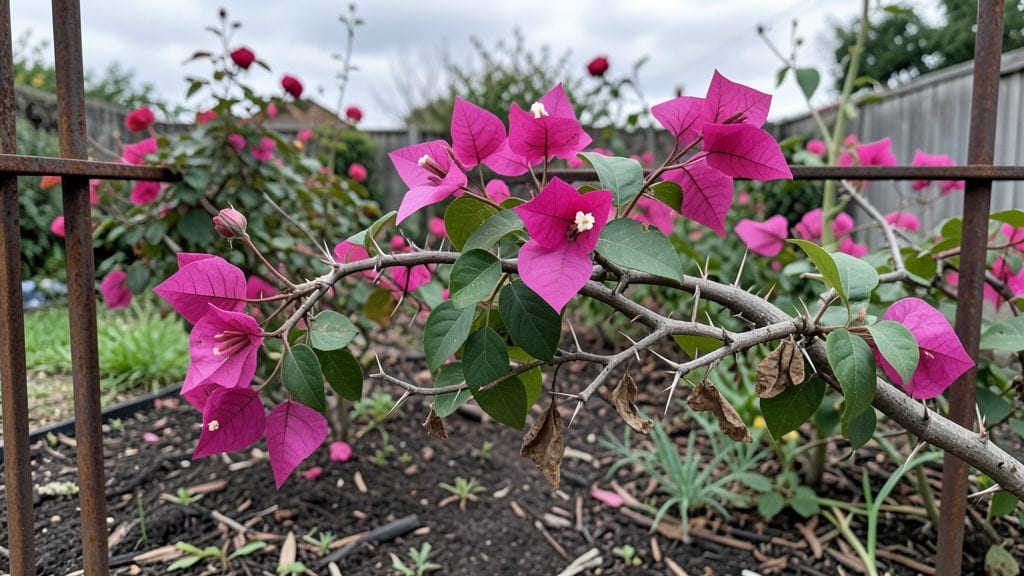
The vibrant tropical tree pink flowers aren’t just stunning—they’re hummingbird magnets that bloom all year long. 🌺 I’ll never forget the first time I saw a Tabebuia tree explode with magenta blooms in early spring, drawing swarms of hummingbirds like a neon sign.
These trees aren’t just pretty; they’re the stars of any garden, turning ordinary spaces into vibrant, buzzing paradises.
Think Bougainvillea for cascading color, Plumeria for fragrant blooms, or Tabebuia for bold seasonal bursts—each brings something special. They thrive in warm climates but can also survive cooler zones with winter protection, making them versatile for tropical or subtropical gardens.
The key is pairing them with complementary plants like hibiscus or bird-of-paradise to create layered, lush displays.
Your garden will transform into a living canvas of pinks, purples, and greens, alive with the hum of wings. Imagine sipping morning coffee while hummingbirds dart between blossoms, or hosting summer parties under a canopy of fragrant flowers.
These trees don’t just grow—they create experiences that turn heads and fill hearts.
Whether you’re designing a backyard oasis or a small urban patio, these pink powerhouses adapt beautifully. Start with one variety, then expand as you fall in love with their drama. The best part? Every bloom is a promise of more to come—year after year.
📚 In This Guide
- What you need
- Instructions
- Tips and common mistakes
- Wrapping up and next steps
What you need
- ● Tropical Pink Flowering Tree: 1 young tree (3–5 ft tall) or seeds/cuttings (if propagating). Popular choices: Tabebuia impetiginosa (Pink Trumpet Tree), Lagerstroemia (Crape Myrtle), or Erythrina (Coral Tree).
- ○ Optional: Pre-germinated seeds for faster growth.
- ● Soil Mix: 50 lbs of well-draining potting mix (for containers) or native soil amended with compost (for in-ground planting).
- ○ Optional: Perlite or sand (10–20%) to improve drainage.
- ● Fertilizer: 1 lb of balanced, slow-release fertilizer (10-10-10 or 20-20-20 NPK ratio).
- ○ Optional: Organic options like composted manure or fish emulsion.
- ● Planting Tools: 1 trowel or shovel (for digging).
- ● 1 hand pruner or bypass pruners (for trimming).
- ● 1 watering can or hose with a gentle spray nozzle.
- ○ Container Gardening (Optional): 1 large pot (15–20 gallons) with drainage holes.
- ● Mulch (2–3 inches) to retain moisture.
- ○ Safety Gear (Optional but Recommended):strong> Garden gloves (to protect hands from thorns or rough bark).
- ● Sunscreen and a hat (if working in full sun).
- ● Climate: USDA Hardiness Zones 9–11 (or container-grown in cooler zones).
- ● Sunlight: Full sun (6+ hours daily) for optimal blooms.
- ● Water Access: Regular watering (especially in the first year).
- ● Space: Mature height of 20–40 ft (choose dwarf varieties for smaller yards).
How to create a hummingbird haven with tropical tree pink flowers
Here's how to cultivate vibrant pink blooms that attract hummingbirds year-round.
🌱 Step 1: Select the Right Varieties for Your Climate
Start with tropical pink-flowering trees suited to your hardiness zone. My favorites are Royal Poinciana (Delonix regia) for bold, fern-like blooms, or Jacaranda (Jacaranda mimosifolia) for cascading purple-pink clusters. Both thrive in USDA zones 9-11 but can be grown in containers in cooler areas.
If you're in a colder zone, opt for Bougainvillea (Bougainvillea spp.)—its papery pink bracts bloom prolifically in pots. Check your local nursery for disease-resistant varieties like 'Barbara Karst' or 'San Diego Red.' Here's the thing—tropical trees need winter protection if temperatures drop below 30°F.
☀️ Step 2: Plant in Full Sun With Well-Draining Soil
These pink beauties demand 6+ hours of direct sun daily. In containers, place them where they'll get morning sun and afternoon shade during peak summer heat—too much midday sun can scorch leaves. Amend heavy clay soil with 3-4 inches of compost and a handful of perlite to prevent root rot.
Dig a hole twice as wide as the root ball but only as deep. The top of the root ball should sit 1 inch above ground level—this prevents water pooling around the trunk. If planting multiple trees, space them 15-20 feet apart for mature size. I always water deeply after planting to settle the soil around roots.
💧 Step 3: Water Deeply and Fertilize for Continuous Blooms
Newly planted trees need 1-2 gallons of water every 2-3 days until established. Once mature, water when the top 2 inches of soil feel dry. Overwatering is the #1 killer—yellowing leaves signal too much moisture. Use a drip irrigation system to deliver water slowly at the base.
Feed with a balanced 10-10-10 fertilizer every 4-6 weeks during growing season. For container-grown trees, I use slow-release pellets mixed into the soil at planting time. The key to nonstop blooms? Prune spent flowers regularly—this encourages new growth and prevents energy waste.
✂️ Step 4: Prune Strategically for Shape and Health
Lightly prune in late winter or early spring before new growth begins. Remove dead, crossing, or weak branches first—this improves airflow and prevents disease. For shape, trim back overly long branches to maintain a natural canopy. Never remove more than 25% of the tree's foliage at once.
Watch for pests like scale insects on new growth. Spray with neem oil if you spot sticky residue (honeydew) on leaves. Hummingbirds love these trees, but they also attract aphids—keep an eye out for tiny green flies clustering on new shoots. A strong blast of water usually knocks them off without chemicals.
🪴 Step 5: Protect and Overwinter if Needed
If you're in a cooler zone, move container-grown trees to a garage or sheltered porch before temperatures drop below 40°F. Wrap the pot in bubble wrap and reduce watering to once every 2 weeks. In-ground trees need mulch protection—pile 4-6 inches of straw around the base and wrap the trunk with burlap if frost is forecasted.
Bring potted trees back outside gradually in spring—start with 2-3 hours of morning sun and increase exposure over 2 weeks. This prevents shock from sudden temperature changes. With proper winter care, your tropical pink trees will burst into bloom again as soon as temperatures rise.
Tips & tricks for perfect tropical tree pink flowers
A few simple strategies will help you create a thriving hummingbird haven with vibrant pink blooms all year.
Variety Selection Tip: When choosing between Royal Poinciana and Jacaranda, consider your space needs. Royal Poinciana grows into a 30-40 foot tree with dramatic fern-like blooms, while Jacaranda reaches 20-30 feet with cascading clusters. For smaller spaces, Bougainvillea's compact growth makes it perfect for containers and vertical gardens.
Sunlight Strategy: In Step 2, if your area gets intense afternoon sun, provide afternoon shade during the hottest summer months. Use shade cloth or plant nearby trees that won't compete for nutrients. Morning sun is essential for blooming, but too much midday heat can stress tropical trees—especially in zones 10-11.
Watering Wisdom: The 2-3 day watering schedule for newly planted trees assumes average temperatures. In extreme heat (above 90°F), increase to daily watering until roots establish. Check soil moisture by sticking your finger 2 inches deep—if it's dry, water deeply. The key is consistent moisture without waterlogging.
Winter Protection: For container trees in cooler zones, move them to a garage with some light rather than a completely dark space. Even a few hours of indirect light helps maintain health. When wrapping pots in bubble wrap, leave the top open to prevent moisture buildup that could encourage fungal growth.
Pro Tips for Tropical Tree Pink Flowers
- A few simple strategies will help you create a thriving hummingbird haven with vibrant pink blooms all year.
- Variety Selection Tip: When choosing between Royal Poinciana and Jacaranda, consider your space needs.
- Sunlight Strategy: In Step 2, if your area gets intense afternoon sun, provide afternoon shade during the hottest summer months.
Frequently asked questions
Got questions about tropical trees with stunning pink flowers?
You’re not alone! Here are the most common queries—plus expert answers—to help you grow a hummingbird-friendly haven with ease.
What’s the best tropical tree for pink flowers that blooms year-round?
The Inga tree (like Inga splendens) and Jacaranda (though not strictly tropical) are top picks. For true tropical zones, Tabebuia rosea (pink trumpet tree) and Erythrina (coral tree) deliver vibrant pink blooms with minimal fuss. Check your USDA zone—most thrive in 10–12!
Do these trees really attract hummingbirds?
Pink flowers are a hummingbird magnet—especially tubular shapes like those on Bougainvillea or Plumeria. For non-stop action, pair your tree with native nectar sources (e.g., Salvia) and add a sugar-water feeder. Pro tip: Plant near feeding stations for a 24/7 buffet!
How long does it take for a tropical tree to bloom pink flowers?
Patience is key! Young trees (under 3 years) may focus on growth, but established specimens can flower within 1–2 years with proper care. Jacaranda and Tabebuia often burst into color by year 3–5. Prune lightly to encourage blooms—never cut back flowering branches!
Can I grow a pink-flowering tropical tree in a pot?
Yes, but choose dwarf varieties like Plumeria ‘Pink Ice’ or Bougainvillea. Use a well-draining pot (minimum 15-gallon) and tropical potting mix. Move containers indoors or to a sheltered spot when temps drop below 50°F. Warning: Larger trees (e.g., Inga) need permanent ground planting.
Why aren’t my tropical tree’s pink flowers lasting?
Common culprits:
- Overwatering: Roots need airflow—let soil dry between waterings.
- Nutrient deficiency: Feed with citrus/tropical plant fertilizer in spring.
- Pests: Spider mites or aphids suck nectar. Blast off with water or use neem oil.
- Sunlight: Too much shade? Move to 6+ hours of direct sun daily.
What’s a low-maintenance alternative to high-upkeep tropical trees?
If you want pink blooms with less hassle, try:
- Bougainvillea: Drought-tolerant, thrives in heat, and blooms nonstop with pruning.
- Hibiscus rosa-sinensis: Hardy, fast-growing, and loves humidity.
- Allamanda cathartica: Vine or shrub with trumpet-shaped pink flowers.
Wrapping up and next steps
Transforming your garden into a vibrant hummingbird haven with tropical pink-blooming trees is easier—and more rewarding—than you think! 🌺 From the delicate Tabebuia to the bold Bougainvillea, these stunning trees bring year-round color while supporting local wildlife.
Whether you’re a seasoned gardener or just starting, the key is choosing the right variety for your climate and giving it the love it deserves.
Now that you’re inspired, take the next step! Pick your favorite pink-flowering tree and start planning its perfect spot in your garden. Need help? Check local nurseries or consult a horticulturist to ensure your new tropical beauty thrives for years to come. Happy planting! 🌿✨