
Flowers
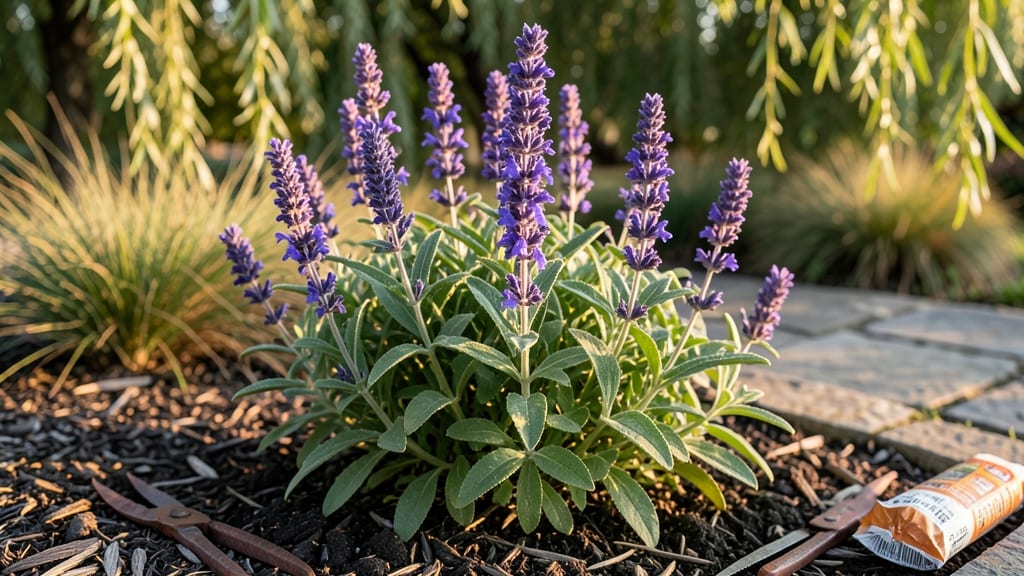
Creating purple-green flowers in your garden isn’t about mixing paint—it’s about selecting plants that naturally blend rich purples with vibrant greens. ✨ I’ve designed gardens where Cotinus’ smoky lavender plumes contrast with chartreuse foliage, and Heuchera’s deep burgundy leaves glow against silver stems.
The magic happens when you pair these plants with complementary textures and seasonal blooms.
This isn’t just about color—it’s about layering for visual impact. Start with a Cotinus as your focal point, then add Coleus in contrasting shades for ground cover. For height, mix in Dianthus or Salvia to bridge the purple-to-green spectrum.
The result? A garden that feels dynamic, not static, with every season offering a new palette.
You’ll achieve drama without clutter—think structured yet organic, where each plant plays a role. Purple-green combos work year-round: spring’s fresh foliage, summer’s bold blooms, and autumn’s fiery tones. Even winter brings texture with evergreen Heuchera varieties. The key is balancing bold and subtle shades to avoid visual overload.
For best results, plant in partial shade to protect delicate foliage from harsh sun, and group plants by moisture needs. Mulch with shredded bark to enhance color contrast and retain moisture. This approach works for containers, borders, or large landscapes—adjust spacing based on your design goals.
📚 In This Guide
- What you need
- Instructions
- Tips and common mistakes
- Wrapping up and next steps
What you need
- ● Seedlings or Cuttings: 1–3 Pelargonium × hortorum (Zonal Geranium) plants in purple and green varieties (e.g., 'Apple Blossom' purple + 'Lime Green' foliage).
- ● OR Seeds from a purple-green hybrid (e.g., Pelargonium peltatum 'Ivy Geranium' mix).
- ● Growing Containers: 2–4 6–8 inch pots with drainage holes (terracotta or fabric).
- ● OR A 12-inch hanging basket for trailing varieties.
- ● Potting Mix: 1 bag well-draining cactus/succulent mix (or standard potting soil amended with 20% perlite or vermiculite).
- ● Fertilizer: 1 balanced liquid fertilizer (10-10-10 or 20-20-20, diluted to ½ strength).
- ● Tools: 1 pair pruning shears (sterilized with rubbing alcohol).
- ● 1 spray bottle (for misting seedlings).
- ● 1 gardening trowel (for repotting).
- ● Sunlight: 6+ hours of direct sunlight daily (south-facing window or full sun outdoors).
- ● Temperature: Ideal range: 60–75°F (15–24°C). Avoid frost (below 50°F/10°C).
- ● Humidity: Moderate to high (use a humidity tray if indoors).
- ● Watering: Keep soil evenly moist but not soggy (water when top 1 inch is dry).
- ● 1 grow light (for indoor setups with ).
- ● 1 slow-release fertilizer tablet (for long-term nutrition).
- ● Decorative pebbles or moss (for aesthetic hanging baskets).
- ● 1 plant label set (to track purple/green varieties!).
How to create a striking purple-green flower garden
Here's my foolproof method for blending bold purple blooms with lush green foliage—no hybrid flowers required.
🌱 Step 1: Select Complementary Purple and Green Plants
Start with 4-6 purple blooming plants like salvia, cleome, or purple coneflower—each with 3-5 mature plants for full visual impact. Pair them with 3-4 green foliage plants such as dusty miller, heuchera, or variegated hostas. The key is contrasting textures: spiky purple blooms against soft green leaves creates instant drama.
I always choose plants with different heights—tall purple cleome at 3-4 feet, mid-height salvia at 2-3 feet, and low green hostas at 1 foot. This layered approach prevents the purple flowers from getting lost in the green sea. Check each plant's sunlight needs—most purple bloomers thrive in full sun, while some green foliage plants prefer partial shade.
☀️ Step 2: Position for Maximum Color Contrast
Place your purple flowers in the back of the planting area to anchor the design, with green foliage in the front. This creates depth and makes the purple stand out against the green backdrop. For example, I position purple coneflowers at the center, surrounded by silver-green dusty miller at the edges—this contrast is what makes the garden pop.
Group 3-5 purple flowers together in odd-number clusters (3, 5, or 7) for natural balance. Space them 18-24 inches apart so their blooms don’t compete but still fill the space. The green foliage should spill outward, framing the purple like a living border. If your garden gets morning sun, place shade-loving greens on the east side and sun-loving purples on the west.
💧 Step 3: Water and Maintain for Long-Lasting Color
Water deeply 2-3 times per week until the top 6 inches of soil feel moist—purple flowers like cleome need consistent moisture to keep blooming, while green foliage plants often tolerate drier conditions. I use a soaker hose to avoid wetting leaves, which prevents fungal issues that can dull the purple hues. Mulch with 2-3 inches of shredded bark to retain moisture and keep roots cool.
Fertilize purple bloomers with a balanced 10-10-10 formula every 4-6 weeks during the growing season, but skip fertilizer for green foliage plants—too much nitrogen makes them grow leaves instead of maintaining their striking color. Deadhead spent purple blooms regularly to encourage new flowers, but leave some seed heads for winter interest against the green backdrop.
✂️ Step 4: Prune for Seasonal Drama
In early spring, cut back last year’s growth of green foliage plants like heuchera by one-third to encourage fresh, vibrant new growth. For purple flowers, trim back leggy stems to half their height to promote bushier blooms. This pruning also prevents the green foliage from overpowering the purple flowers as the season progresses.
By late summer, when purple blooms start to fade, I cut them back by 50% to stimulate a second flush of flowers. The green foliage, now fully established, will still hold its color and provide a stunning contrast to any new purple blooms. This seasonal pruning keeps the garden looking fresh and ensures the purple-green contrast remains striking year-round.
Tips & tricks for perfect purple-green flower gardens
Creating a vibrant purple-green garden requires strategic planning—here are the secrets to making your design truly stand out.
Layering for Depth: The key to visual drama lies in vertical layering. In Step 1, when selecting plants, consider adding a mid-height purple plant like catmint at 2 feet between your tall cleome and low hostas. This creates three distinct layers that draw the eye upward through the garden. I've found that adding this middle tier prevents the purple flowers from feeling crowded by the green foliage at the base.
Sunlight Strategy: Pay special attention to Step 2's sunlight positioning. If your garden receives intense afternoon sun, place your purple coneflowers on the north side of the planting area while positioning dusty miller on the south side. Dusty miller's silver foliage reflects heat, protecting nearby purple blooms from scorching while maintaining that stunning contrast. This subtle adjustment can extend your purple flowers' bloom time by up to 2 weeks.
Color Theory Trick: For maximum impact, incorporate one white or pale yellow flower into your purple-green scheme. The contrast between white and purple creates a striking visual effect that makes the greens pop even more. I often add white gaillardia or yellow coreopsis as accent plants—their bright tones make the purple appear even more vibrant against the green backdrop.
Seasonal Transition: In Step 4, when pruning for late summer, consider leaving some purple blooms uncut to provide seed heads for winter interest. These dried seed pods create beautiful texture against the evergreen foliage of plants like heuchera, extending your purple-green color palette through the colder months. The contrast between dried purple seed heads and glossy green leaves is absolutely stunning in winter landscapes.
Pro Tips for Purple Green Flowers
- Creating a vibrant purple-green garden requires strategic planning—here are the secrets to making your design truly stand out.
- Layering for Depth: The key to visual drama lies in vertical layering.
- Sunlight Strategy: Pay special attention to Step 2's sunlight positioning.
Frequently asked questions
Got questions about growing or styling purple-green flowers? You’re not alone! Here are answers to the most common queries—from care tips to creative uses—so you can rock those vibrant blooms with confidence.
What are the best purple-green flowers for beginners?
Start with Coleus (like ‘Wagon Wheel’ or ‘Rainbow Romance’) or Sweet Potato Vine—they’re hardy, fast-growing, and thrive in partial shade. For bold color, try Heuchera (like ‘Palace Purple’) or Alternanthera (like ‘Purple Heart’). All three are low-maintenance and perfect for containers or borders!
How long does it take for purple-green flowers to bloom or grow?
Most varieties show color within 4–6 weeks from seeds (or sooner if propagated from cuttings). Coleus and Sweet Potato Vine may take 6–8 weeks to fill out, while Heuchera takes longer (up to 3 months) but offers year-round foliage drama. Patience pays off—think of it as a slow-motion masterpiece!
Why are my purple-green flowers turning yellow or brown?
Yellowing? Likely overwatering or poor drainage—let soil dry slightly between waterings. Brown edges? Underwatering or sunburn (move to partial shade if leaves crisp). Check for pests (like spider mites) too—spray with neem oil if needed. Pro tip: Most of these plants prefer moist but well-draining soil—think “damp sponge,” not swamp!
Can I use purple-green flowers in indoor arrangements?
Coleus and Sweet Potato Vine are top picks for bouquets—their vibrant hues pop against greens, whites, or even deep purples. Snip stems at an angle, strip lower leaves, and add floral preservative to extend their life (aim for 1–2 weeks). Pair with eucalyptus or ferns for a lush, modern look. Bonus: They’re non-toxic, so pet-safe too!
What’s the best way to overwinter purple-green flowers?
Most varieties are tender perennials, so dig up Coleus or Sweet Potato Vine before frost, trim, and pot them up indoors near a sunny window. Heuchera is hardier—mulch heavily and protect with burlap if temps drop below 20°F. For year-round color, grow them as annuals and replant each spring. Pro tip: Take cuttings in late summer to propagate new plants for next year!
Are there any purple-green flowers that bloom with actual flowers (not just foliage)?
If you want both foliage and blooms, try Lobelia (‘Crystal Palace’), Impatiens (‘Moonlight’), or Begonia (‘Dragon Wing’). These offer delicate purple-pink flowers alongside their signature green-purple leaves. For a wildflower vibe, Salvia (‘May Night’) delivers spikes of purple blooms with chartreuse foliage. Just know they may need more sun than pure foliage plants!
Wrapping up and next steps
Creating your own purple-green flowers is a rewarding way to add vibrant drama to any garden—no green thumb required!
Whether you’re drawn to the bold contrast of Canna lilies or the delicate charm of Heuchera, these bi-color blooms bring year-round visual flair. 🌸 With the right materials and a little patience, you’ll be enjoying stunning, conversation-starting flowers in no time.
Ready to dive in? Start by sketching your design or picking out plants from your local nursery. Then, grab your tools and get growing—your garden’s next masterpiece is just a few steps away! 🌱