
Pruning
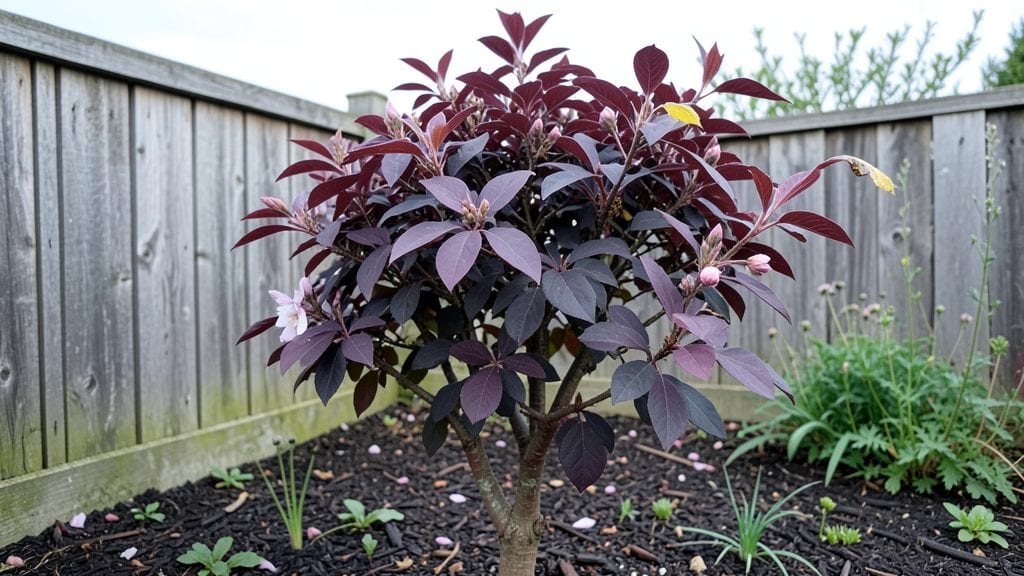
The Purple Pony flowering plum tree turns spring into a riot of color with its velvety purple blossoms that seem to glow against the Pacific Northwest sky. I remember the first time I saw one in bloom—it felt like a burst of magic in an otherwise gray March day.
This tree isn’t just stunning; it’s tough enough to handle our wet winters and windy summers while still putting on a show.
Perfect for small gardens or as a dramatic focal point, this compact tree (typically 12-15 feet tall) delivers year-round interest—spring flowers, summer foliage, and even winter branches with peeling bark that adds texture.
Pair it with hellebores for early spring color or boxwoods for structure, and you’ve got a low-maintenance landscape that keeps giving. The care is simple: full sun, well-drained soil, and minimal pruning to shape it just so.
Imagine your front yard in April, when neighbors stop to admire the cascading blooms, or your patio in May, when the fragrance drifts through open windows. This tree doesn’t just survive here—it thrives, making it the star of any Pacific Northwest garden.
Let’s talk about how to make it the centerpiece of yours.
Whether you’re working with a sloped yard, a narrow border, or a cozy courtyard, the Purple Pony adapts beautifully. Its layered branches create natural height and depth, while its disease resistance means fewer headaches.
For maximum impact, plant it where its colors will contrast with evergreens or against a dark fence—trust me, the photos won’t do it justice.
📚 In This Guide
- What you need
- Instructions
- Tips and common mistakes
- Wrapping up and next steps
What you need
- ● Pruning shears: Bypass pruners (for small branches, 1/4"–3/8" thick)
- ● Loppers: For medium branches (3/8"–2" thick), bypass or anvil type (disinfect blades with rubbing alcohol)
- ● Pruning saw: For thick branches (2"+ thick), curved-tooth saw for clean cuts
- ● Garden gloves: Cut-resistant (e.g., mechanized or leather) to protect hands from thorns and sharp branches
- ● Disinfectant: 70% isopropyl alcohol or 10% bleach solution (1 part bleach to 9 parts water) to sterilize tools between cuts
- ○ Pruning sealant (optional but helpful): Tree wound pruning paste or beeswax-based sealant for large cuts (2"+)
- ● Ladder or step stool: Sturdy, non-slip (if tree exceeds 6–8 feet tall)
- ● Heavy-duty trash bags: For collecting pruned branches and debris
- ● Sharpie or marker: To label branches for removal (if needed)
- ● Safety glasses: Protect your eyes from debris
- ● Long sleeves/pants: Lightweight, breathable fabric to shield from thorns
- ● Extension pole pruners: For high branches without a ladder
- ● String or twine: To tie branches out of the way during pruning
- ● Compost bin: For repurposing small pruned branches
- ● Camera or phone: To document the tree’s progress (because before-and-after shots are satisfying!)
Step-by-Step guide for planting and caring for a Purple Pony flowering plum tree
This stunning tree thrives in the Pacific Northwest’s climate—here’s how to plant and nurture it for vibrant, long-lasting blooms.
Choose the Perfect Planting Location
Select a spot with full sun exposure (6-8 hours daily)—this tree loves bright light but tolerates partial shade if necessary. The Purple Pony performs best in well-draining soil with a slightly acidic to neutral pH (6.0-7.5). Avoid low-lying areas where water pools after rain, as soggy roots lead to root rot.
Test your soil by squeezing a handful—if it clumps tightly when wet, amend with compost or sand to improve drainage. The tree’s shallow root system spreads wide, so space it at least 15 feet from structures or other plants to allow for mature growth. In the Pacific Northwest, early spring (March-April) is ideal for planting, giving roots time to establish before summer heat arrives.
Dig the Hole and Prepare the Root Ball
Dig a hole twice as wide as the root ball but no deeper—planting too deep can suffocate the roots. Gently loosen the root ball’s edges with your fingers to encourage outward growth. If the tree arrives in a container, soak the root ball for 10-15 minutes before planting to rehydrate the roots.
Mix the excavated soil with 2-3 inches of organic compost to enrich the planting area. Place the tree in the hole so the top of the root ball sits 1-2 inches above ground level. This prevents water from pooling around the trunk. Backfill the hole with the soil-compost mix, tamping lightly as you go to remove air pockets.
Water Thoroughly and Mulch for Retention
Water the newly planted tree with 5-10 gallons of water, soaking the root zone completely. The soil should feel damp 6 inches down—use a trowel to check. Over the next 2 weeks, water deeply 2-3 times per week to encourage root establishment, then taper to 1 inch of water weekly once established.
Apply a 2-3 inch layer of mulch around the base, keeping it 3 inches away from the trunk to prevent rot. Use shredded bark or wood chips—they break down slowly, improving soil structure over time. Mulch helps retain moisture and regulates soil temperature, which is especially helpful in the Pacific Northwest’s cool, wet winters.
Prune for Shape and Health in Early Spring
Prune the Purple Pony in late winter or early spring (February-March), just before new growth begins. Remove any dead, diseased, or crossing branches first—these compete for energy and can weaken the tree. Cut back any suckers (shoots growing from the base) to redirect the tree’s energy into flowering.
Shape the tree by thinning out crowded branches to improve airflow, which reduces fungal diseases. Aim for an open, vase-like structure that allows sunlight to reach all parts of the canopy. Avoid heavy pruning in fall or winter, as it stimulates new growth that may not harden off before cold weather arrives.
Fertilize and Monitor for Year-Round Blooms
Apply a balanced, slow-release fertilizer (10-10-10) in early spring and again in mid-summer to support flowering and growth. Follow the package instructions for dosage—over-fertilizing can lead to excessive leafy growth at the expense of blooms. Water the tree deeply after fertilizing to help nutrients reach the roots.
Watch for signs of stress, like yellowing leaves or sparse blooms, which often indicate overwatering or nutrient deficiencies. The Purple Pony is generally low-maintenance but appreciates a light trim after flowering to encourage bushier growth. In the Pacific Northwest, protect young trees from strong coastal winds with a temporary windbreak if needed.
Tips & tricks for perfect Purple Pony flowering plum tree care
Here's what I've learned from years of growing Purple Pony trees that makes all the difference in their long-term success.
Location is Everything: In Step 1, when choosing your spot, pay extra attention to those 6-8 hours of sunlight. The Pacific Northwest's variable weather means morning sun and afternoon shade often works best—this prevents afternoon heat stress while still giving the tree the light it needs for blooms. I've seen trees in full sun thrive, but those with afternoon shade in summer actually produce more consistent flowering.
Root Ball Prep Matters: That 10-15 minute soak for container-grown trees in Step 2 is crucial—don't skip it! I've planted trees without soaking and watched them struggle through the first summer. The soaking helps rehydrate roots that may have dried out during shipping. After soaking, gently tease the root ball edges to encourage outward growth rather than keeping it tightly bound.
Watering Wisdom: The 2-week watering schedule in Step 3 is perfect, but here's the thing about the Pacific Northwest: our soil stays damp longer than you might expect. After that initial 2 weeks, check soil moisture by digging down 6 inches—if it's still damp, wait another day before watering. Overwatering is a bigger problem here than underwatering, especially in winter when roots need less moisture.
Pruning Pro Tips: When pruning in Step 4, I always make my cuts just above a bud or branch junction—this encourages new growth in the right direction. For the first few years, I focus on removing only dead or crossing branches. The tree's natural shape is beautiful, so I avoid heavy pruning unless absolutely necessary. That light trim after flowering mentioned in Step 5 helps keep the tree compact and encourages more blooms next season.
Pro Tips for Purple Pony Flowering Plum Tree
- Here's what I've learned from years of growing Purple Pony trees that makes all the difference in their long-term success.
- Location is Everything: In Step 1, when choosing your spot, pay extra attention to those 6-8 hours of sunlight.
- Root Ball Prep Matters: That 10-15 minute soak for container-grown trees in Step 2 is crucial—don't skip it!
Frequently asked questions
Got questions about the Purple Pony flowering plum tree? You’re not alone! This stunning hybrid is beloved for its vibrant blooms, but it’s natural to have a few doubts before planting. Below, we’ve answered the most common questions—from care tips to troubleshooting—to help you grow a thriving tree with confidence.
How do I prune my Purple Pony flowering plum tree for optimal blooms?
Prune after flowering (late spring) to encourage new growth and next year’s blooms. Remove dead, crossing, or crowded branches first, then thin out 10–20% of the canopy for airflow. Avoid heavy pruning in fall or winter, as this can damage the tree. Pro tip: Use sterilized tools to prevent disease!
What’s the best climate for a Purple Pony flowering plum tree?
This tree thrives in USDA Zones 5–9, making it perfect for the Pacific Northwest’s mild, wet winters and warm summers. It tolerates partial shade but blooms best in full sun (6+ hours/day). Just avoid soggy soil—ensure well-draining locations to prevent root rot.
Why aren’t my Purple Pony blooms as vibrant as expected?
Dull or sparse blooms often signal nutrient deficiencies (try a balanced fertilizer in early spring) or over-pruning (avoid cutting back more than 25% of the tree). Poor sunlight or extreme temps can also dull colors. Check for pests like aphids or scale, which weaken the tree. Aphids? Blast ‘em off with water!
Can I grow a Purple Pony in a container, or does it need to be planted in the ground?
While possible in large containers (20+ gallons), this tree grows best in the ground due to its expansive root system. If container-grown, repot every 2–3 years and ensure the pot has drainage holes. Warning: Containers dry out faster—water deeply 2–3x/week in summer!
How cold-hardy is the Purple Pony flowering plum tree?
This hybrid handles down to -20°F (-29°C), but young trees or newly planted specimens may need winter protection (mulch around the base or wrap the trunk). In Zone 5, bury the tree up to its graft union with soil for extra insulation. Pro tip: Avoid pruning in late fall—wait until spring!
Are there alternatives if I want a similar tree but with fewer mess or pests?
Consider the ‘Okame’ flowering plum (disease-resistant, compact) or ‘Snow Fence’ cherry plum (low-mess, fragrant). Both offer stunning blooms with less upkeep. For a mess-free option, try the ‘Accolade’ plum—its flowers drop less dramatically!
Wrapping up and next steps
The Purple Pony flowering plum tree is a stunning, low-maintenance gem that brings vibrant color and resilience to Pacific Northwest gardens year-round. With its striking blooms, minimal pruning needs, and adaptability, it’s the perfect choice for both novice and experienced gardeners.
Whether you’re trimming for shape, health, or seasonal prep, this tree rewards your efforts with breathtaking beauty.
Ready to transform your outdoor space? Start by gathering your tools and scheduling your first pruning session—your future floral masterpiece awaits! 🌸✂️